Best Golf Club for Beginners Your Perfect Starting Point
Best golf club for beginners means finding the right mix of forgiveness, comfort, and affordability. This guide covers everything you need to pick the perfect beginner golf set and individual clubs. You will learn what features matter most, which sets deliver the best value, and how to avoid common buying mistakes.
Starting your golf journey is exciting. But with so many options on the shelf, picking the right gear can feel overwhelming. The truth is that the best golf club for beginners is not about brand names or fancy designs. It is about finding clubs that are forgiving, easy to swing, and built to help you improve faster. This guide walks you through everything you need to know, from full sets to individual clubs, so you can make a confident choice on day one.
Whether you are shopping for a beginner golf set or looking to build a custom bag, understanding what makes a club work for new players is the first step. Forgiving golf clubs with perimeter weighting and game improvement features can turn a frustrating first round into a fun experience. And the right golf starter set does not have to break the bank. By the end of this article, you will have a clear picture of what to look for, which brands deliver the best value, and how to avoid the mistakes that trip up most new golfers.
Key Takeaways
- Forgiveness is king: Choose forgiving golf clubs with perimeter weighting and cavity back designs to handle off-center hits.
- A full set saves money: A quality beginner golf set gives you everything you need at a lower price than buying clubs individually.
- Graphite shafts are best for new players: They are lighter and help you generate more clubhead speed without extra effort.
- Hybrids replace long irons: Hybrid golf clubs are much easier to hit and should be part of every golf starter set.
- Get fitted early: Proper golf club fitting for golf shaft flex, golf grip size, and club length makes a huge difference.
- Avoid buying on looks alone: Tour-level equipment is not designed for beginners and will hold back your progress.
- Upgrade gradually: Your first set should last two to three years before you consider more advanced options.
📑 Table of Contents
Why Choosing the Right Golf Club for Beginners Matters
The clubs you start with shape your entire learning experience. Using the best golf club for beginners means you spend less time fighting your equipment and more time building solid habits. When clubs are too heavy, too stiff, or too unforgiving, they can actually slow down your progress and make the game less enjoyable.
How the Wrong Club Can Hold You Back
Many new players make the mistake of grabbing whatever is cheapest or most popular. But a club that works for a tour professional will not necessarily work for you. Clubs with a small sweet spot, heavy golf club weight, or the wrong golf shaft flex can cause inconsistent launch angle and poor clubhead speed. Over time, this leads to frustration and sometimes even quitting the game before it really starts.
On the other hand, forgiving golf clubs designed for golf clubs for high handicappers give you room to miss the sweet spot without paying a heavy price. They help the ball fly straighter and higher, which builds confidence on the course. That confidence matters more than most beginners realize. When you hit a few good shots because your equipment helped, you want to keep playing. That is the real power of choosing the right gear.
What Makes a Club Beginner-Friendly
A good beginner club has several key features. First, it should have a larger clubhead that offers a bigger sweet spot. Second, the golf shaft flex should be regular or senior flex to help you generate enough clubhead speed without straining. Third, the grip should be the right golf grip size for your hands. And finally, the club should be lightweight enough to swing comfortably for 18 holes.
Game improvement clubs and forgiving golf clubs are specifically engineered with these features in mind. They are the backbone of any solid beginner golf set. Look for terms like perimeter weighting, cavity back construction, and offset hosels when you browse. These design elements work together to make your early rounds much more rewarding.
What to Look for in a Golf Club for Beginners
Not all clubs are created equal when it comes to helping new players. Here are the most important factors to consider before you buy.
Clubhead Design and Forgiveness
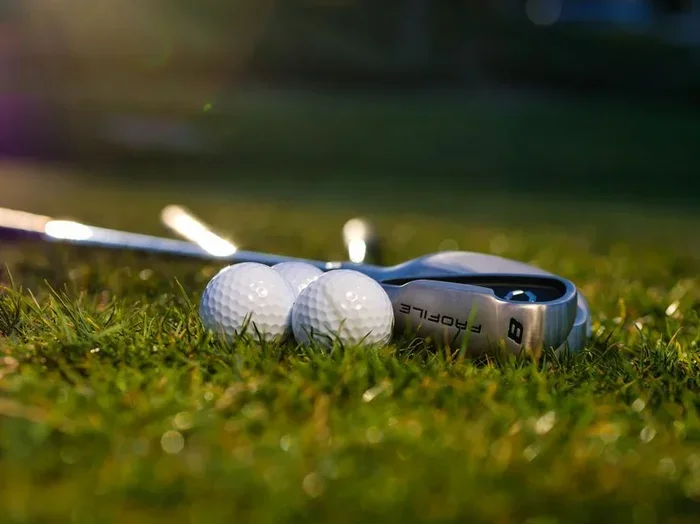
The shape and size of the clubhead matter a lot. Cavity back irons and perimeter weighted clubheads move weight to the edges of the clubface. This design keeps the club stable on off-center hits and helps the ball fly straight. When you are looking for the best golf club for beginners, prioritize cavity back designs over blade-style irons. The difference in forgiveness is dramatic.
Offset golf clubs are another great feature for new players. The clubface is set slightly ahead of the hosel, which helps promote a square face at impact and reduces slicing. Many golf clubs for beginners now come with offset designs as standard, so look for this feature when comparing options.
Shaft Material and Flex
The steel vs graphite shafts debate is real, especially for beginners. Graphite shafts are lighter, which helps you swing faster and generate more clubhead speed. They are the preferred choice for most golf clubs for beginners, especially in drivers and fairway woods. Steel shafts are more durable and provide a consistent feel, but they are heavier. For most new players, graphite is the way to go.
When it comes to golf shaft flex, regular flex is usually the best starting point. It offers a good balance of flexibility and control for average swing speeds. If you are very flexible or have a slower swing, consider senior flex. The wrong flex can rob you of distance and accuracy, so take this choice seriously.
Grip Size and Comfort
A proper golf grip size affects everything from comfort to shot accuracy. Grips that are too thick or too thin can cause tension in your hands and wrists, leading to inconsistent swings. Most beginners do well with a standard or mid-size grip. You can always build up a grip with extra wraps if needed. The goal is a relaxed hold that allows your hands to work naturally through the swing.
Best Golf Club Sets for Beginners
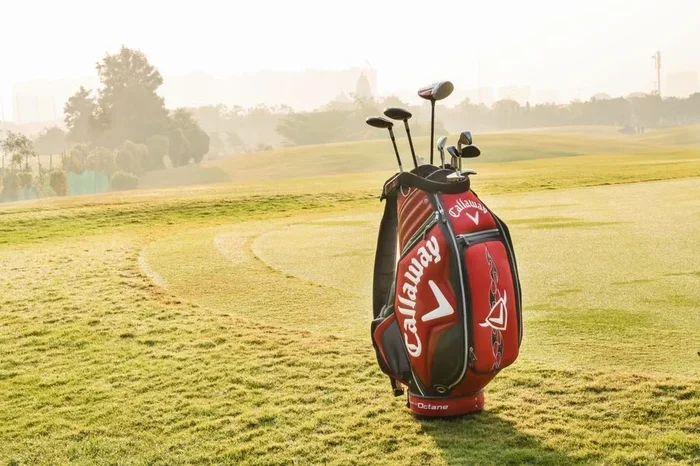
A full beginner golf set gives you everything you need in one box. These golf starter sets typically include a driver, fairway woods, hybrids, irons, a golf putter, a bag, and sometimes even gloves and accessories. They are the most convenient and often the most cost-effective way to get started.
Top Full Sets Compared
Here is a quick look at how the top beginner golf sets stack up against each other.
| Set Name | Clubs Included | Price Range | Best For |
|---|---|---|---|
| Callaway Strata Ultimate | 12 pieces | $200-$300 | Best overall value |
| TaylorMade SIM2 Max | 10 pieces | $400-$500 | Forgiving performance |
| Wilson Ultra | 10 pieces | $150-$200 | Budget-friendly option |
| Bridgestone e6 | 10 pieces | $250-$350 | Women and seniors |
| Ping G425 Combo | 12 pieces | $500-$600 | Premium starter experience |
The Callaway Strata Ultimate stands out as the best all-around golf starter set. It includes a wide range of hybrid golf clubs and forgiving cavity back irons that make learning the game much easier. The set also comes with a stand bag, gloves, and a headcover, which adds real value. The TaylorMade SIM2 Max set offers top-tier game improvement clubs with advanced perimeter weighted technology, but it comes at a higher price point. If budget is not a concern, this is an excellent choice.
For those on a tight budget, the Wilson Ultra set delivers solid performance at a fraction of the cost. It may not have all the bells and whistles, but it gives you everything you need to learn the fundamentals. The Bridgestone e6 set is a great choice for women and seniors who want clubs tailored to their swing speed and golf club weight preferences. And the Ping G425 Combo set is the premium option for players who want the best of everything and plan to stick with the sport long-term.
Budget-Friendly Options
You do not need to spend hundreds of dollars to get a quality golf club for beginners. Many golf clubs for high handicappers are available in the $150-$300 range and offer excellent forgiveness and performance. Look for sets that include hybrids rather than long irons, as hybrids are much easier to hit consistently. A good beginner golf set should also come with a lightweight bag and properly fitted grips. Do not overlook last year’s models either. Retailers often discount previous season sets by 30-50%, and the performance difference is minimal.
Best Individual Clubs for Beginners
Not everyone wants a full set. Some players prefer to build their bag piece by piece. If that sounds like you, here is what to focus on for each type of club.
Drivers and Fairway Woods
The golf driver is often the first club a beginner reaches for, and it can make or break your confidence on the tee box. Look for a driver with a large clubhead, an adjustable hosel for tweaking launch angle, and a lightweight graphite shaft. The TaylorMade SIM2 Max and Callaway Paradym are both excellent choices that offer high clubhead speed and generous forgiveness. These game improvement clubs are designed to help you get the ball airborne even on off-center hits.
Fairway woods like the 5-wood or 7-wood are great alternatives to long irons. They are easier to hit off the ground and help you reach longer approach shots with more consistency. Many beginners find that a 7-wood replaces their 3-iron and a 5-wood replaces their 4-iron, giving them more confidence with every swing.
Hybrids and Irons
Hybrid golf clubs have become the go-to replacement for long irons among beginners. They combine the best features of woods and irons, making them incredibly easy to launch into the air. When building your bag, consider replacing the 3, 4, and 5 irons with hybrid golf clubs of equivalent loft. You will notice an immediate improvement in distance and accuracy.
For your remaining irons, stick with cavity back irons. These forgiving golf clubs keep the weight distributed around the perimeter of the clubhead, which stabilizes the club on mishits. Avoid blade-style irons until your swing is more consistent and your clubhead speed has developed. The difference in forgiveness between cavity backs and blades is enormous for a new golfer.
Putters for New Golfers
You will spend nearly 40% of your time on the green, so choosing the right golf putter is critical. Mallet putters with perimeter weighted designs are the most forgiving and the easiest to align. They help new golfers make more putts and build confidence on the greens. A simple blade putter can work too, but mallets are generally more beginner-friendly. Look for a putter with alignment aids on the head or shaft to help you line up your shots more accurately.
Common Mistakes Beginners Make When Choosing Golf Clubs
Even with the best intentions, new golfers often make avoidable mistakes when buying their first set of clubs. Here are the two biggest pitfalls to watch out for.
Buying Based on Looks Alone
It is tempting to pick the clubs that look the coolest or that your favorite professional uses. But what looks great on TV may not work for your swing. Tour players use steel vs graphite shafts and blade irons that require years of practice to swing effectively. As a beginner, you need forgiving golf clubs with game improvement features, not the equipment of a seasoned pro. Style should never come before function when you are starting out.
Ignoring Club Fitting
Golf club fitting is not just for advanced players. Getting the right golf shaft flex, golf grip size, and club length can dramatically improve your comfort and consistency. Many beginners buy clubs off the rack and never look back, only to struggle with equipment that does not match their body and swing. A basic fitting session at your local pro shop can make a huge difference and is often free or very affordable. Taking 30 minutes for a fitting can save you hundreds of dollars in the wrong equipment.
Expert Tips to Get the Most from Your Beginner Golf Club
Once you have the right clubs in your bag, how you use them matters just as much as the clubs themselves. Here are some tips from experienced coaches and club fitters.
Practice with Purpose
Do not just hit balls at the range aimlessly. Set goals for each practice session. Work on your tempo, focus on striking the sweet spot, and pay attention to how different clubs feel in your hands. Using your hybrid golf clubs and cavity back irons correctly will help you develop a consistent swing that translates to the course.
Spend at least half your practice time on the putting green. The golf putter is the most important club in your bag for lowering your score, and confidence on the greens comes from repetition. Work on both short putts and long putts to build a well-rounded putting game. The more comfortable you become with your golf putter, the lower your scores will be.
When to Upgrade Your Clubs
You do not need to upgrade your clubs every season. A good beginner golf set should last you at least two to three years as you develop your skills. Signs that it is time to upgrade include consistently outgrowing the forgiveness of your clubs, needing more distance, or wanting more specialized clubs for specific shots.
When you do upgrade, consider getting a professional golf club fitting to ensure your new equipment matches your improved swing. The right clubs at the right time can accelerate your progress and keep you motivated. Remember, the best golf club for beginners is the one that fits you today and supports your growth as a player.
Conclusion
Finding the best golf club for beginners does not have to be complicated. Focus on forgiveness, comfort, and value, and you will be well on your way to enjoying this incredible game. Whether you choose a full beginner golf set or build your bag one club at a time, the key is to start with equipment that gives you confidence and room to grow.
Remember that your first set of clubs is just the beginning. As your skills improve, you will naturally want to explore more advanced options. But for now, trust the process, enjoy the learning curve, and let the right clubs carry you forward. The best golf club for beginners is the one that gets you to the course, keeps you smiling, and helps you play better with every round.
Frequently Asked Questions
What is the best golf club for beginners to buy first?
A complete beginner golf set is the best place to start. These golf starter sets include a driver, irons, hybrids, a golf putter, and a bag at a bundled price. Look for sets with cavity back irons and hybrid golf clubs for maximum forgiveness while you learn the fundamentals.
Should beginners use graphite or steel shafts?
Graphite shafts are generally the better choice for beginners. They are lighter than steel, which helps you generate more clubhead speed and swing more comfortably. The steel vs graphite shafts debate favors graphite for new players who have not yet developed a consistent and powerful swing.
How much should I spend on my first set of golf clubs?
A quality beginner golf set can be found for $150-$400. You do not need to spend a fortune to get started. Focus on forgiving golf clubs with game improvement features rather than premium price tags. As your skills improve, you can invest in higher-end equipment.
Do I really need a golf club fitting as a beginner?
Yes, even beginners benefit from golf club fitting. Getting the right golf shaft flex, golf grip size, and club length improves comfort and consistency. Many pro shops offer basic fittings for free or at a low cost. It is a small investment that pays off quickly.
What is the difference between cavity back and blade irons?
Cavity back irons have a hollow area behind the clubface that moves weight to the perimeter for greater forgiveness. Blade irons have a solid construction that offers precise feedback but very little forgiveness. Beginners should always start with cavity backs or hybrid golf clubs instead of blades.
When should I stop using my beginner golf clubs and upgrade?
A good beginner golf set should last two to three years. Signs you are ready to upgrade include consistently outgrowing the forgiveness of your current clubs, needing more distance, or feeling limited by your equipment during rounds. Upgrade when your swing has developed enough to benefit from more advanced features.