Coast to Coast Golf Carts Everything You Need to Know
Coast to coast golf carts offer a convenient and fun way to get around golf courses and communities. Whether you need a basic electric model or a luxury street-legal cart, this guide covers everything from features and maintenance to accessories and upgrades.
Golf carts have come a long way from simple three-wheeled rides around the course. Today, coast to coast golf carts represent a whole world of options for golfers, resort guests, and community dwellers alike. Whether you cruise fairways in Florida or navigate desert resorts in Arizona, the right cart makes all the difference.
If you have ever wondered what makes a great golf cart tick, you are in the right place. This guide breaks down everything you need to know. We will cover types, features, maintenance, safety, and the best accessories to elevate your ride. Let us get started.
The term coast to coast golf carts has grown in popularity because more people use carts beyond just the golf course. From neighborhood streets to beachside resorts, these versatile vehicles serve many purposes. Understanding your options helps you make a smart purchase.
Key Takeaways
- Know Your Options: Electric, gas, and lithium-ion golf carts each have unique benefits for different needs.
- Maintenance Matters: Regular upkeep keeps your cart running smoothly for years.
- Accessories Boost Functionality: From windshields to stereo systems, the right add-ons enhance your experience.
- Safety First: Always follow local laws and safety guidelines when operating a golf cart.
- Pair With Quality Gear: A good 14 way golf stand bag and proper golf glove complete your setup.
📑 Table of Contents
Types of Coast to Coast Golf Carts
Not all golf carts are created equal. Different types serve different needs. Here is a look at the main categories you will encounter.
Electric Golf Carts
Electric golf carts are the most popular choice for most golfers. They run on rechargeable batteries and produce zero emissions. This makes them ideal for indoor facilities and enclosed communities.
Most electric models offer a quiet ride and smooth acceleration. They are also very easy to maintain. You will not need to worry about oil changes or engine tune-ups. The main cost comes from battery replacement every few years.
For those who care about golf cart batteries, electric carts are a top pick. They also tend to have lower operating costs over time compared to gas models.
Gas-Powered Golf Carts
Gas-powered golf carts deliver more power and longer range. They use small engines similar to those found in lawn mowers. These carts work well for larger courses and hilly terrain.
One downside is the noise and exhaust. Gas carts are not ideal for indoor use or quiet neighborhoods. They also require more regular maintenance, including oil changes and spark plug replacements.
However, if you need raw golf cart speed and range, gas models often win. They can handle longer rounds without needing a recharge.
Lithium-Ion Golf Carts
Lithium-ion golf carts are the newest innovation in the market. They charge faster, last longer, and weigh less than traditional battery-powered models. Many premium resorts now offer lithium-ion carts as their standard.
The upfront cost is higher, but the long-term savings are significant. These batteries last longer and require less maintenance. If you want the best of both worlds, lithium-ion is worth considering.
Key Features to Look For
When shopping for a golf cart, certain features can make or break your experience. Here are the most important ones to consider.
Battery Life and Range
Battery life determines how far you can go on a single charge. Most standard electric carts offer 18 to 35 miles per charge. Your golf cart batteries will last longer if you follow proper charging habits.
Look for carts with efficient battery management systems. These systems prevent overcharging and extend overall battery life. If you play a full 18-hole round, you want enough range to spare.
Seating and Comfort
Comfort matters, especially on hot days. Many carts come with padded seats and adjustable seating positions. Some models offer bench seating for two players, while others have individual seats for four.
Consider adding golf cart seats with lumbar support if you plan on long rides. Premium models often include cup holders, storage compartments, and even USB charging ports.
Tires and Wheels
Your golf cart tires affect ride quality and traction. Pneumatic tires offer a smoother ride and better grip on uneven terrain. Solid tires require less maintenance but may feel bumpier.
For beach or sand play, wide tires work best. They distribute weight more evenly and prevent sinking. If you plan to use your cart on rough paths, invest in quality wheels and tires.
Windshields and Canopies
Windshields protect you from wind and debris. Many coast to coast golf carts come with removable or fold-down windshields. Canopies provide shade from the sun and keep rain off your gear.
These accessories are especially useful for year-round use. A good golf cart windshield can transform your riding experience during cooler months.
Golf Cart Accessories and Upgrades
Accessories turn a basic cart into a personalized ride. The right add-ons improve comfort, safety, and style. Here are some popular upgrades to consider.
Storage and Carrying Solutions
Golf bags are essential for any cart user. A 1withgolf fully custom golf bag fits perfectly in most cart setups and keeps your clubs organized. You can also add rear racks, front baskets, and cooler compartments for extra storage.
Think about what you carry on every ride. Water bottles, sunscreen, extra gloves, and scorecards all need a place. Smart storage solutions keep your cart tidy and functional.
Audio and Entertainment
Many golfers love adding a stereo system to their cart. Bluetooth speakers allow you to play music while riding. Some premium models even include built-in sound systems with subwoofers.
Entertainment makes long rounds more enjoyable. Just keep the volume low enough to stay aware of your surroundings and other players on the course.
Lighting and Safety Add-Ons
If you plan to use your cart after dark or on public roads, lighting is essential. LED headlights, tail lights, and turn signals improve visibility. These additions are especially important for street legal golf carts.
Mirrors, horns, and seat belts are other safety features worth considering. They may not be glamorous, but they protect you and others on the road.
Protective Covers and Paint
A golf cart cover shields your cart from sun damage, rain, and dust when not in use. Custom paint jobs and decals let you express your personal style on the course.
These cosmetic upgrades may seem minor, but they preserve your cart’s value and appearance over time. A well-maintained cart looks better and lasts longer.
Maintenance Tips for Your Golf Cart
Regular maintenance keeps your cart running at its best. A little care goes a long way toward preventing costly repairs. Here are the essentials every owner should know.
Battery Care
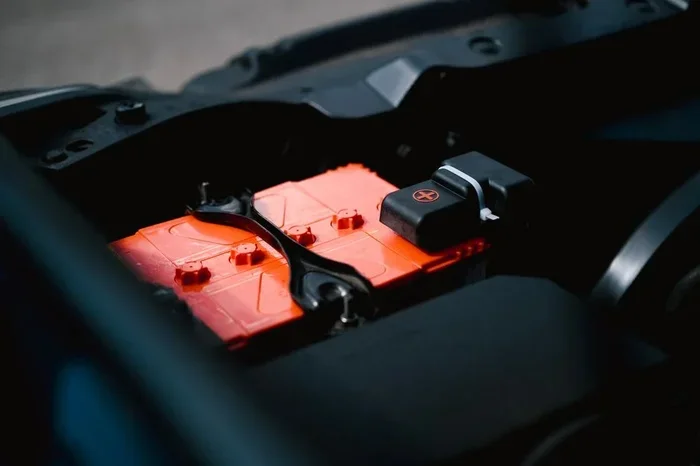
Your golf cart batteries are the heart of an electric cart. Charge them after every use and never let them run completely dead. Clean the terminals regularly to prevent corrosion.
Use distilled water for flooded lead-acid batteries. Check water levels monthly and top off as needed. Proper charging habits can double or even triple battery lifespan.
Tire Maintenance
Check tire pressure before every round. Underinflated tires reduce range and make the cart harder to steer. Inspect tires for wear and replace them when tread becomes thin.
Rotate tires periodically to ensure even wear. This simple step extends the life of your golf cart tires and improves ride quality.
Brake and Brake System
Brakes are critical for safety. Inspect brake pads and cables regularly. Listen for squeaking or grinding sounds, which signal wear.
Keep brake fluid at the proper level if your cart uses hydraulic brakes. Replace worn parts immediately to avoid accidents on the course.
Cleaning and Storage
Wash your cart after every round, especially if you play near saltwater or sandy areas. Use mild soap and a soft cloth. Dry thoroughly to prevent rust and corrosion.
Store your cart in a covered area when possible. Extreme heat and cold can damage batteries and plastic components. A good cover and a shaded storage spot make a big difference.
Safety and Legal Considerations
Safety should always come first when operating a golf cart. These vehicles may seem slow, but accidents can still happen. Follow these guidelines for a safe and enjoyable ride.
Local Laws and Regulations
Laws regarding golf cart use vary by state and municipality. Some communities allow carts on public roads with certain modifications. Others restrict use to private property and golf courses only.
Check with your local government before taking your cart on public streets. You may need specific safety equipment like lights, mirrors, and seat belts to comply with street legal golf cart requirements.
Safe Driving Practices
Always wear your seat belt if your cart has one. Drive at safe speeds, especially on turns and downhill slopes. Keep both hands on the steering wheel at all times.
Never carry more passengers than the cart is designed for. Overloading affects balance and braking. Be extra cautious around pedestrians and other vehicles.
Weather Awareness
Avoid using your cart in severe weather conditions. Lightning, heavy rain, and high winds create dangerous riding situations. If a storm approaches, seek shelter immediately.
Wet surfaces reduce tire traction and increase the risk of sliding. Adjust your driving style based on weather conditions to stay safe.
Coast to Coast Golf Carts: Buying Guide
Ready to purchase a golf cart? Here is what you need to think through before buying.
Determine Your Primary Use
Will you use the cart mainly for golf, or do you plan to use it around your community? Your primary use dictates the type and features you need. A basic electric cart works fine for casual golfers, while heavy users may want premium models with more range and comfort.
Set a Budget
Golf cart prices range from a few hundred dollars for used models to several thousand for new luxury versions. Set a realistic budget before shopping. Remember to factor in accessories, maintenance, and battery replacement costs.
Compare Brands and Models
Research different brands and read customer reviews. Look for warranties and dealer support in your area. Test drive multiple models if possible to find the best fit for your needs.
Consider New vs Used
Used carts offer great value if you find a well-maintained model. Inspect the battery condition, tire tread, and overall frame. A thorough inspection helps you avoid expensive surprises down the road.
Expert Insights and Common Mistakes
Common Mistakes Golf Cart Owners Make
Many owners neglect battery maintenance until problems arise. Waiting too long to replace worn batteries leads to poor performance and higher costs. Another common mistake is overloading the cart beyond its rated capacity.
Skipping regular cleaning also causes long-term damage. Salt, sand, and moisture eat away at metal parts and finishes. A few minutes of care after each use saves hours of repair later.
Expert Tips for Longevity
Experts recommend charging batteries after every single use, even if you only played nine holes. Keeping batteries at full charge prevents sulfation, which reduces capacity over time. Store your cart in a cool, dry place during off-seasons.
Invest in quality golf cart accessories that match your cart model. Cheap aftermarket parts may save money upfront but often wear out faster and cause compatibility issues.
If you love the golf lifestyle, pair your cart with quality gear. A great pair of golf shoes from brands like Adidas complements your setup perfectly. Check out Adidas golf shoes for options that pair well with a day on the course.
Also consider your overall golf bag setup. A well-organized bag makes loading and unloading your cart much easier. Whether you prefer a 14 way golf stand bag or a cart bag, proper organization keeps your gear in top shape.
Conclusion
Coast to coast golf carts offer incredible versatility and convenience for golfers and community members alike. From choosing the right type and features to maintaining your cart and adding accessories, this guide has covered the essentials. A well-chosen and well-maintained cart enhances every round and every ride.
Remember to prioritize safety, follow local laws, and invest in quality gear. Your golf cart is more than transportation, it is part of your golfing lifestyle. Take care of it, and it will take care of you for many years to come.
Now that you know the ins and outs of golf carts, it is time to hit the course with confidence. Grab your clubs, load up your bag, and enjoy the ride.
Frequently Asked Questions
What is the average lifespan of a golf cart battery?
Most golf cart batteries last between 4 and 6 years with proper care. Lithium-ion batteries can last even longer, sometimes up to 10 years. Regular charging habits and avoiding deep discharges help extend battery life significantly.
Can you drive a golf cart on public roads?
In many areas, yes, but regulations vary by location. You typically need safety equipment like headlights, turn signals, and seat belts to make your cart street legal. Always check local laws before driving on public roads.
How fast does a typical golf cart go?
Standard golf carts usually reach speeds of 12 to 15 miles per hour. Modified or upgraded carts can go faster, sometimes reaching 25 mph or more. Speed depends on the motor type, battery power, and any performance upgrades installed.
What accessories are most useful for a golf cart?
Windshields, canopies, storage racks, and stereo systems are among the most popular accessories. A quality golf glove and proper footwear also improve your overall experience on and off the course.
How often should I clean my golf cart?
Clean your cart after every few uses, especially if you play in sandy or coastal areas. Regular washing prevents salt and dirt buildup that causes rust and corrosion. A quick wipe-down after each round keeps your cart looking great.
Are lithium-ion golf carts worth the extra cost?
For most users, yes. Lithium-ion batteries charge faster, last longer, and weigh less than traditional lead-acid batteries. The higher upfront cost is offset by lower maintenance expenses and longer replacement intervals over time.