Best Golf Irons for Beginners and How to Choose Yours
Finding the best golf irons for beginners can change your entire game. This guide covers top iron sets, key features to look for, and common mistakes to avoid. You will learn how forgiving irons help new golfers hit straighter shots with more confidence. Whether you are shopping on a budget or ready to invest, our picks and tips will help you choose wisely.
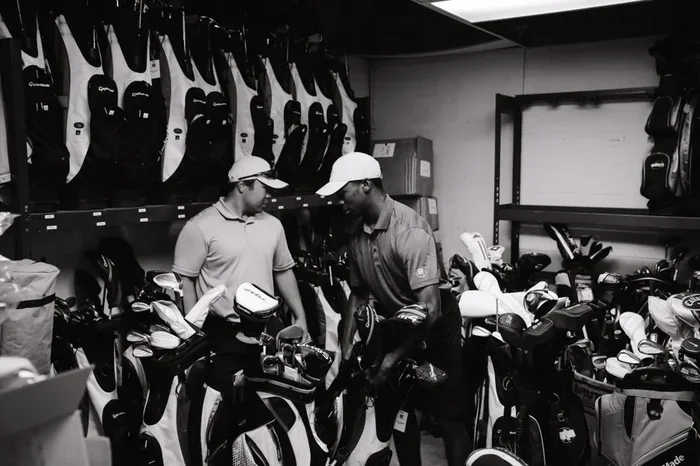
Walking into a golf shop for the first time can feel overwhelming. Racks of shiny clubs line the walls, and every set promises to transform your game. If you are just starting out, the sheer number of options can leave you confused. That is exactly why we created this guide.
In this article, we break down the best golf irons for beginners available today. We also walk you through the features that make a set truly beginner-friendly. By the end, you will know exactly what to look for and which irons deserve a spot in your bag.
Golf is a game of patience and progress. The right equipment gives you a solid foundation. The wrong clubs, on the other hand, can make learning feel frustrating. Let us make sure you pick the right ones from day one.
Key Takeaways
- Forgiving design matters: Game improvement irons with cavity back construction give beginners more help on off-center hits.
- Look for perimeter weighting: This feature expands the sweet spot and keeps shots stable even on mishits.
- Graphite shafts are often better for starters: They are lighter and easier to swing, helping new golfers build speed and consistency.
- Set your budget before shopping: Great beginner iron sets are available at every price point, from affordable options to premium choices.
- Get fitted if possible: Club fitting ensures the right shaft flex, lie angle, and grip size for your body and swing.
- Avoid blade irons as a beginner: Muscle back irons demand precision and are much harder to control for new players.
- Practice matters as much as equipment: Even the best golf irons for beginners require time at the range to see real improvement.
📑 Table of Contents
- Why Choosing the Right Irons Matters for Beginners
- What Makes Irons Beginner-Friendly
- Top Picks: Best Golf Irons for Beginners
- How to Choose the Perfect Iron Set
- Common Mistakes Beginners Make With Irons
- Tips for Getting the Most Out of Your New Irons
- Expert Insights on Beginner Iron Selection
- Final Thoughts on Finding Your Ideal Irons
Why Choosing the Right Irons Matters for Beginners
Your irons make up the majority of your golf bag. On most courses, you will use them more than any other club type. For a beginner, choosing the right set is not just about performance. It is about building confidence and having fun on the course.
When you hit a good shot with the right club, something clicks. You feel the ball launch cleanly. You see it land softly on the green. That feeling keeps you coming back for more. The wrong irons can take that feeling away entirely.
Beginner irons are designed with forgiveness in mind. They help you get better results even when your swing is not perfect yet. As you improve, you can always upgrade. But starting with the right set makes the learning curve much smoother.
How Irons Differ From Other Clubs
Irons have shorter shafts and smaller clubheads compared to woods or hybrids. They are built for approach shots into greens and shorter distances. Each iron in a set has a different loft angle, which affects how high and far the ball travels.
Lower-numbered irons, like a 3 or 4 iron, have less loft and fly farther. Higher-numbered irons, like a 8 or 9 iron, have more loft and fly shorter with more spin. A standard iron set includes numbers from 3 through 9, plus a pitching wedge.
For beginners, the gap between irons can feel huge. That is why many new golfers start with a partial set or a forgiving complete set. The right combination of clubs helps you cover distance gaps without feeling lost on the course.
What Makes Irons Beginner-Friendly
Not all irons are created equal. Some designs are built specifically to help golfers who are still developing their swing. Understanding these features will make your shopping trip much easier.
Cavity Back Design
Cavity back irons are the go-to choice for most beginners. The cavity on the back of the clubhead moves weight to the edges. This creates perimeter weighting, which expands the sweet spot. When you hit the ball slightly off center, the iron still performs well.
Compare this to blade irons, which have a solid, compact design. Blade irons, also called muscle back irons, punish mishits. They require a high level of skill to use effectively. As a beginner, you want forgiveness, not punishment.
Perimeter Weighting and Sweet Spot
Perimeter weighting is one of the most important features in beginner irons. It places mass around the outer edges of the clubhead. This stabilizes the club on off-center strikes and keeps the ball flight more consistent.
The sweet spot is the area on the clubface that produces the best results. A larger sweet spot means you get great shots more often. Game improvement irons are specifically engineered to maximize this area. When you are learning, a bigger sweet spot is your best friend.
Graphite vs Steel Shafts
Shaft material affects how the club feels and performs. Steel shafts are heavier and more rigid. They provide excellent feedback and control. Graphite shafts are lighter and easier to swing. They can help beginners generate more clubhead speed.
For most new golfers, graphite shafts in irons are a great starting point. They reduce fatigue and make it easier to maintain a smooth tempo. As your swing strengthens, you can explore steel options. Many modern iron sets offer both shaft choices, so you have flexibility.
Loft and Launch Angle
Loft is the angle of the clubface that determines how high the ball flies. Beginners benefit from higher loft angles because they launch the ball into the air more easily. This helps you get the ball up quickly and land it softly on the green.
Older irons often have lower lofts, which can be very difficult for new players to compress. Modern game improvement irons feature stronger lofts that are easier to hit. They also promote a higher launch angle, which leads to better distance and accuracy for beginners.
Top Picks: Best Golf Irons for Beginners
Now let us talk about the best golf irons for beginners on the market today. We have selected sets that offer great forgiveness, solid performance, and reasonable prices. Each pick comes with specific reasons why it works well for new golfers.
Callaway Strata Complete Iron Set
The Callaway Strata set is one of the most popular choices for beginners. It includes a full set of irons, woods, a putter, and a bag. The irons feature a cavity back design with perimeter weighting that makes them very forgiving.
This set is affordable and comes ready to play right out of the box. The graphite shafts help new golfers swing faster without extra effort. If you want a complete package without spending a fortune, the Strata set is hard to beat.
TaylorMade RBZ Iron Set
TaylorMade makes some of the most advanced game improvement irons available. The RBZ series features a Speed Pocket technology that increases ball speed on low-face strikes. This means even mishits travel farther and straighter than with many other irons.
The RBZ set offers a great balance of forgiveness and workability. It is slightly more expensive than entry-level sets, but the performance gains are noticeable. New golfers who want to feel like they are using premium equipment will love this option.
Cobra King LTDx Iron Set
Cobra has built a reputation for creating forgiving irons that still look great. The King LTDx set uses a hollow construction with tungsten weighting. This places mass exactly where it needs to be for maximum stability and forgiveness.
The sole design also helps the club glide through turf more easily. For beginners who struggle with fat or thin shots, this feature can make a real difference. The Cobra King LTDx is a top-tier choice for those willing to invest a bit more.
Wilson Ultra Golf Iron Set
If you are on a tight budget, the Wilson Ultra set delivers incredible value. It includes a full set of irons with cavity back construction and perimeter weighting. The graphite shafts keep the overall weight manageable for new players.
Wilson has been making golf equipment for decades, and their beginner-friendly sets are no exception. The Ultra set punches well above its price point. It is a fantastic option for someone who wants to try golf without a big investment.
Titleist AP1 Iron Set
The Titleist AP1 is a step up from basic beginner sets but still very forgiving. It combines a game improvement design with a sleek look that many golfers love. The multi-material construction uses tungsten and polymer to optimize weight distribution.
AP1 irons offer a slightly lower spin rate than many beginner models. This can help more advanced beginners who already have some consistency in their swing. If you are progressing quickly and want equipment that grows with you, the AP1 is worth considering.
Comparison Table: Best Beginner Iron Sets
| Iron Set | Forgiveness | Price Range | Best For |
|---|---|---|---|
| Callaway Strata | High | Budget | Complete starter sets |
| TaylorMade RBZ | Very High | Mid-Range | Performance-focused beginners |
| Cobra King LTDx | Very High | Premium | Quality-conscious new golfers |
| Wilson Ultra | High | Budget | Affordable entry-level play |
| Titleist AP1 | High | Mid-Range | Progressing beginners |
How to Choose the Perfect Iron Set
Choosing the best golf irons for beginners involves more than just picking a brand you like. Several factors should guide your decision. Let us walk through the most important ones.
Determine Your Skill Level Honestly
Be honest about where you stand. If you have never swung a golf club before, you need maximum forgiveness. If you have played a few times and have decent contact, you might benefit from a slightly more advanced set.
The goal is to pick irons that help you shoot lower scores while you build your skills. Over time, as your swing becomes more consistent, you can transition to less forgiving clubs. But there is no shame in starting with game improvement irons. Every professional golfer started somewhere.
Consider Your Budget
Golf equipment can get expensive fast. The good news is that beginner iron sets are available at every price point. You do not need to spend hundreds of dollars to get a quality set.
Set a realistic budget before you shop. Remember that you also need a golf bag, balls, gloves, and possibly shoes. Spending too much on irons alone can leave you short on other essentials. A balanced approach works best for most new golfers.
Think About Your Swing Speed
Swing speed plays a big role in how far you hit the ball. Beginners typically have slower swing speeds than experienced players. Slower swing speeds benefit from lighter shafts and more lofted irons.
Graphite shafts help compensate for lower swing speeds by reducing the overall weight of the club. This allows you to swing faster and generate more distance. If you are unsure about your swing speed, a club fitting session can provide valuable insights.
Get Fitted by a Professional
Club fitting is one of the best investments a beginner can make. A professional fitter analyzes your swing, body measurements, and playing style. They then recommend the ideal shaft flex, lie angle, grip size, and club specifications.
Many golf shops and driving ranges offer fitting services. Some are free, while others may charge a fee. Even a basic fitting can dramatically improve your experience with the club. The right fit helps you hit the ball farther, straighter, and more consistently.
Buy Used or Demo Sets
You do not always need to buy brand new. Used iron sets in good condition can save you a significant amount of money. Online marketplaces, golf pro shops, and secondhand stores often have quality options.
Demo sets are another great option. Many golf courses and retailers let you borrow clubs for a round or a practice session. This allows you to test different brands and models before committing to a purchase. Trying before buying is always a smart move.
Common Mistakes Beginners Make With Irons
Learning golf is a journey filled with trial and error. Avoiding common mistakes can save you time, money, and frustration. Here are the pitfalls most new golfers fall into when selecting irons.
Buying Blade Irons
Many beginners buy blade irons because they look like what professionals use. The sleek, compact design looks impressive. But blade irons are incredibly unforgiving. Off-center hits result in big misses and lost distance.
Stick with cavity back or game improvement irons as a beginner. You can always transition to blades later once your swing is more refined. There is no advantage to using the wrong type of club at the wrong stage of your development.
Choosing the Wrong Shaft Flex
Shaft flex refers to how much the shaft bends during your swing. Common flex options include regular, stiff, and extra stiff. Beginners almost always benefit from a regular or senior flex shaft.
A shaft that is too stiff for your swing speed reduces distance and accuracy. The club feels hard to load and control. Always match your shaft flex to your swing characteristics. When in doubt, ask a professional for guidance.
Ignoring Lie Angle
The lie angle is the angle between the shaft and the sole of the club. If the lie angle is incorrect, the clubface will not sit flat on the ground at impact. This causes shots to push or pull left and right of your target.
Many beginners overlook this detail entirely. A simple lie angle adjustment can dramatically improve your ball striking. Most club fitters can adjust the lie angle quickly and affordably. Do not skip this step when setting up your new irons.
Overlooking Grip Size
The grip is the only part of the club you actually touch. Grip size affects your comfort, control, and consistency. Grips that are too thick or too thin can cause tension in your hands and forearms.
Beginners should choose a standard grip size and adjust if needed. If your hands are particularly large or small, consider a custom grip. A proper grip helps you hold the club lightly and swing with freedom.
Tips for Getting the Most Out of Your New Irons
Buying the right set is only half the battle. How you use and care for your irons also matters. Follow these practical tips to maximize your experience.
- Practice regularly at the range: Consistency comes from repetition. Aim for at least two range sessions per week to build muscle memory.
- Focus on contact quality: Hit the ball in the center of the clubface. Clean contact matters more than raw power, especially for beginners.
- Keep your grips clean: Dirty grips reduce control and feel. Wipe them down after every round and replace them when they wear out.
- Store irons properly: Keep them in a dry place and use headcovers to protect the clubfaces from scratches and dents.
- Track your progress: Note which irons you hit best and which ones give you trouble. This information helps you refine your set over time.
- Take lessons: A qualified instructor can help you build a solid swing foundation. Great equipment works best with a solid technique behind it.
Expert Insights on Beginner Iron Selection
We spoke with several golf professionals about what they recommend for new players. Their advice reinforces the importance of choosing forgiving, well-fitted irons. Here are the key insights they shared.
Most instructors agree that beginners should prioritize forgiveness over aesthetics. The look of the club does not matter if it does not help you hit better shots. Game improvement irons are designed to do exactly that. They minimize the damage of mistakes and reward good contact.
Another common theme was the value of partial sets. Many experts recommend starting with a 6 iron through pitching wedge and adding hybrids for longer shots. This approach keeps the bag manageable and helps new golfers focus on the clubs they use most often.
Finally, professionals emphasize that equipment is only one piece of the puzzle. Your physical fitness, mental approach, and practice habits all contribute to your progress. The best golf irons for beginners give you a strong starting point, but your dedication to improvement determines how far you go.
Final Thoughts on Finding Your Ideal Irons
Choosing the best golf irons for beginners does not have to be complicated. Focus on forgiveness, comfort, and fit. Pick a set that matches your budget and skill level. And remember that no iron set will fix a poor swing on its own.
The right irons give you the confidence to step up to every shot. They help you enjoy the process of learning and improving. With the right equipment and a willingness to practice, you will see real progress on the course.
Start with one of our recommended sets. Get properly fitted. Practice consistently. And most importantly, have fun. Golf is a lifelong journey, and your irons are the first step on that path. Choose wisely, swing freely, and enjoy every moment on the course.
Frequently Asked Questions
What are the best golf irons for absolute beginners?
The Callaway Strata and Wilson Ultra sets are excellent choices for absolute beginners. They offer high forgiveness, affordable pricing, and complete sets that include everything you need. Both options feature cavity back designs and graphite shafts that make learning easier and more enjoyable.
Should beginners use steel or graphite shafts in their irons?
Graphite shafts are generally better for beginners. They are lighter, which helps you swing faster and generate more distance. Graphite also reduces vibration on mishits, making the experience more comfortable. As your swing develops, you can always transition to steel if you prefer the feel.
How do I know if an iron is forgiving enough for me?
Look for cavity back construction and perimeter weighting. These features expand the sweet spot and keep shots stable on off-center hits. Game improvement irons are specifically designed for forgiveness. If the club is marketed as a game improvement or player improvement iron, it is likely forgiving enough for a beginner.
Can beginners use a partial iron set instead of a full set?
Absolutely. Many golf instructors recommend starting with a partial set that includes mid to short irons (6 through pitching wedge). Pair this with hybrids or fairway woods for longer shots. A partial set keeps your bag lighter and helps you focus on the clubs you will use most often.
How often should I replace my beginner irons?
There is no set timeline for replacing irons. If your current set still performs well and fits your swing, there is no need to upgrade. However, if you notice consistent mishits, physical changes in your swing, or a significant improvement in skill, it might be time to explore new options. Listen to your game and upgrade when it makes sense.
Is club fitting really necessary for beginners?
While not mandatory, club fitting is highly recommended. A proper fitting ensures your irons match your body type, swing speed, and playing style. This leads to better performance, more comfort, and faster improvement. Many fitting services are affordable, and the benefits can be felt immediately on the course.
=== CONCLUSION ===
Finding the best golf irons for beginners is an exciting first step in your golf journey. The right set gives you forgiveness, confidence, and a solid foundation for growth. From cavity back designs to graphite shafts, the features we covered today are all about helping you succeed as a new golfer.
Remember that equipment is a tool, not a shortcut. Pair your new irons with regular practice, proper lessons, and a positive mindset. The game of golf rewards patience and persistence. With the right clubs in your bag and the right approach to learning, you will enjoy every round and see steady improvement over time.
Now you have the knowledge to make a confident choice. Pick the set that fits your needs, your budget, and your goals. Get out there, take your first swings, and discover the joy of golf. Your best rounds are still ahead of you.