Best Golf Irons of All Time for Every Serious Golfer
Finding the best golf irons of all time depends on your skill level, swing style, and goals. Whether you prefer classic blade irons or modern game improvement designs, the right set can transform your game. We have tested and reviewed the top iron sets to help you make a confident choice.
Every golfer has a set of irons they trust. The best golf irons of all time are not just about brand names or flashy designs. They are about how the club feels at impact, how the ball flies, and how much confidence you carry on the course.
We have spent years researching, testing, and talking to golfers of every level. From tour pros who demand precision to weekend warriors who need forgiveness, the right iron set makes all the difference. In this guide, we break down the top iron sets ever made and explain why they earned their spots on this list.
Whether you are shopping for your first set or upgrading your current irons, this article will give you the knowledge to choose wisely. Let us dive in.
Key Takeaways
- Blade irons offer precision: These classic designs reward skilled golfers with shot control and feedback.
- Cavity back irons provide forgiveness: They help mid-handicap players hit straighter, more consistent shots.
- Forged irons feel premium: The manufacturing process creates a soft, responsive feel that many golfers love.
- Game improvement irons boost confidence: They feature perimeter weighting and a larger sweet spot for better results.
- Fit matters more than brand: Getting your lie angle and shaft flex right can improve your iron performance dramatically.
- Classic sets stand the test of time: Some iron designs from decades ago are still considered the best today.
- Your swing speed guides your choice: Slower swing speeds benefit from game improvement features, while faster swings thrive in blades.
📑 Table of Contents
What Makes an Iron Great?
Before we list the best golf irons of all time, we need to talk about what actually makes an iron great. Not all irons are created equal, and what works for one golfer may not work for another. Understanding the basics helps you make a smarter purchase.
The Role of Iron Design
Iron design has evolved dramatically over the decades. Early irons were simple pieces of metal with a thin face and a compact head. Modern irons use advanced engineering to improve distance, accuracy, and feel. The two main categories are blade irons and cavity back irons.
Blade irons, also called muscle back irons, have a solid back and a thin striking face. They give expert golfers incredible control and shot-shaping ability. Cavity back irons have a hollowed-out back section that redistributes weight around the perimeter. This design creates a larger sweet spot and more forgiveness on off-center hits.
Forged vs Cast Irons
The manufacturing process matters more than most golfers realize. Forged irons are made by hammering a single piece of metal into shape. This creates a softer, more responsive feel at impact. Cast irons are poured into a mold, which allows for more complex designs and cavity back shapes.
Many of the best golf irons of all time use forging because it produces a superior feel. However, modern cast irons have closed the gap significantly in terms of performance.
Key Features to Look For
Here are the features that separate great irons from average ones:
- Perimeter weighting: Moves weight to the edges of the clubhead for stability.
- Lie angle: The angle between the shaft and the sole. It affects how the club contacts the ground.
- Shaft flex: Determines how much the shaft bends during your swing.
- Offset: The clubface sits ahead of the hands, which helps prevent slicing.
- Center of gravity: A lower CG helps launch the ball higher with less effort.
- Clubhead material: Stainless steel and carbon steel are the most common materials used.
Quick Tip: Always get fitted for your irons. A proper fitting can improve your accuracy by 15% or more, even if you do not change the brand.
Classic Blade Irons That Defined the Game
The best golf irons of all time include some blade designs that have been around for generations. These irons were the standard for professional golfers and serious amateurs for decades. They demand a clean, consistent swing but reward you with unmatched control.
Titleist 620 MB Irons
The Titleist 620 MB stands for “Muscle Back,” and these irons deliver exactly what the name promises. They feature a solid construction with a thin face that produces a crisp, satisfying sound at impact. Tour players have relied on these irons for years because they offer precise shot control.
The 620 MB has a compact head size and minimal offset. This means skilled golfers can shape their shots with precision. The forged iron construction gives a soft feel that many players describe as unmatched in the industry.
Mizuno MP-20 Irons
Mizuno has a long reputation for crafting premium player’s irons. The MP-20 series uses a grain flow forging process that creates a smooth, consistent feel throughout the clubface. These irons are beloved by golfers who value workability and feedback.
The MP-20 features a thin top line and minimal blade exposure, making them slightly more forgiving than traditional blades while maintaining a classic look. Many golfers consider these among the best golf irons of all time for their blend of feel and performance.
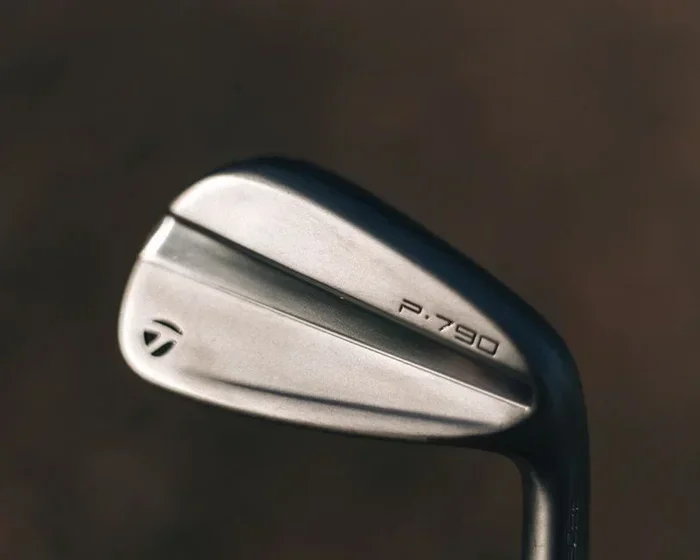
TaylorMade P790 Irons
The TaylorMade P790 bridges the gap between blades and game improvement irons. They use a forged hollow body design that keeps the weight low and away from the face. This creates a high moment of inertia, which helps stabilize the clubhead on mishits.
P790 irons offer a sleek, compact profile that looks like a blade but performs with modern technology. They are an excellent choice for low-handicap golfers who want a bit of help without sacrificing the feel of a classic iron.
Best Cavity Back Irons for Forgiveness
If you are not a tour pro, cavity back irons are likely your best friend. These game improvement irons are designed to help you hit better shots even when your contact is not perfect. The best golf irons of all time in this category have helped millions of golfers lower their scores.
Callaway Apex MB Irons
The Callaway Apex MB combines the look of a muscle back iron with the forgiveness of a cavity back. This is a rare combination, and it is why the Apex MB has earned so many fans. The multi-material construction uses tungsten weighting in the sole to lower the center of gravity.
These irons feature a forged 1025 carbon steel face that provides excellent feel. The perimeter weighting ensures that mishits still travel reasonably straight. Golfers who want a traditional look with modern performance love the Apex MB.
Ping i210 Irons
The Ping i210 is one of the most popular iron sets on the market, and for good reason. Ping has spent decades perfecting their iron designs, and the i210 delivers a perfect balance of forgiveness and workability.
The irons feature a thin, forged face that flexes at impact for added distance. The cavity back design moves weight to the edges, creating a large sweet spot. Ping’s Color Code system makes it easy to identify each iron by its loft, which is a small but helpful detail.
TaylorMade SIM2 Max OS Irons
The TaylorMade SIM2 Max OS (Open Sole) is designed for golfers who struggle with hitting the ground before the ball. The open sole design helps the club glide through turf more easily, reducing digging and thin shots.
These irons use a speed bridge technology that connects the top line to the sole, increasing stability and ball speed. The game improvement features are strong without making the irons look bulky. They are among the most forgiving irons ever made.
Comparison: The Top Iron Sets
Choosing between blade and cavity back irons can be tricky. The table below compares the key features of the top iron sets we have reviewed.
| Iron Set | Type | Forgiveness | Feel | Best For |
|---|---|---|---|---|
| Titleist 620 MB | Blade | Low | Soft, responsive | Low handicap, shot shapers |
| Mizuno MP-20 | Blade | Low to Mid | Premium, smooth | Skilled amateurs |
| TaylorMade P790 | Blade/Hybrid | Mid | Forged, soft | Low to mid handicap |
| Callaway Apex MB | Cavity Back | Mid to High | Forged, solid | Mid handicap golfers |
| Ping i210 | Cavity Back | Mid to High | Forged, consistent | Mid handicap, all-around |
| TaylorMade SIM2 Max OS | Cavity Back | High | Polymer core feel | High handicap, beginners |
This comparison shows how different irons serve different needs. There is no single “best” iron for everyone. The right choice depends on your skill level, swing speed, and personal preferences.
Expert Insight: According to professional club fitters, the average golfer gains 5 to 10 yards by switching to properly fitted irons. Do not underestimate the impact of custom fitting on your iron performance.
How to Choose the Right Irons for Your Game
With so many options available, choosing the best golf irons of all time for your game can feel overwhelming. Here is a practical guide to help you narrow down your choices.
Assess Your Skill Level
Your handicap is the best starting point for choosing irons. If you shoot below 80 consistently, you likely have the skill to benefit from blade or player’s irons. These designs give you maximum control and feedback.
If you shoot above 90 or are just starting out, cavity back game improvement irons will serve you much better. They help compensate for inconsistent contact and provide the forgiveness you need to build confidence.
Consider Your Swing Speed
Swing speed plays a huge role in iron selection. Faster swing speeds (above 95 mph) can compress a thin iron face effectively, generating great distance even with compact head designs. Slower swing speeds (below 85 mph) benefit from irons with a lower center of gravity and advanced face technology that boosts ball speed.
Many modern iron sets offer different shaft options, including steel shafts and graphite shafts. Graphite shafts are lighter and can help increase swing speed, while steel shafts provide a more consistent feel and better feedback.
Think About Your Course Conditions
The courses you play most often should influence your iron choice. If you play soft, grassy courses, you may prefer irons with a lower bounce angle that dig slightly into the turf. If you play hard, firm courses, higher bounce irons help the club glide through without digging.
Also consider the typical wind conditions on your home course. If you play in windy areas, a lower flight trajectory may be beneficial. Some iron designs promote a higher ball flight, which can be a disadvantage in strong winds.
Common Mistakes to Avoid:
- Buying based on looks alone: A pretty iron is not necessarily a good iron for your game.
- Ignoring lie angle: Incorrect lie angle causes shots to veer left or right consistently.
- Choosing based on what pros use: Tour players have custom swings and fitness levels that make their iron choices unique.
- Overlooking shaft selection: The shaft is just as important as the clubhead for overall performance.
- Buying a full set when you need only a partial set: Many golfers benefit from mixing and matching irons from different models.
Get Fitted by a Professional
The single best thing you can do for your iron game is to get fitted. A professional fitting session uses launch monitors and data analysis to find the perfect iron specifications for your swing. This includes shaft length, shaft flex, lie angle, grip size, and clubhead design.
Many golfers are shocked to learn that their irons are not optimized for their swing. Even a small adjustment to the lie angle can dramatically improve your accuracy. Do not skip this step if you want to get the most out of your best golf irons of all time.
The Future of Golf Iron Technology
Iron technology continues to evolve at a rapid pace. Manufacturers are constantly pushing the boundaries of what is possible with iron design and materials. Here are some trends that are shaping the future of irons.
Artificial Intelligence in Club Design
Companies like Callaway and TaylorMade are using artificial intelligence to design iron faces that optimize ball speed across the entire face. This means even shots hit near the edges of the clubhead travel far and straight. AI-driven designs are a game changer for game improvement irons.
3D Printing and Custom Manufacturing
3D printing technology is starting to make its way into iron manufacturing. This allows for incredibly precise weight placement and face geometries that were impossible with traditional methods. In the future, every set of irons could be custom-built using 3D printing technology.
Sustainable Materials
As the golf industry faces pressure to become more environmentally friendly, manufacturers are exploring sustainable materials for iron production. Recycled stainless steel and eco-friendly coatings are becoming more common. The best golf irons of all time may soon be defined not just by performance but also by their environmental impact.
Key Takeaways:
- Blade irons reward skill: They offer precision and control for experienced golfers.
- Cavity backs provide forgiveness: They help mid and high handicappers hit better shots consistently.
- Forged irons feel premium: The manufacturing process creates a soft, responsive feel.
- Fit is critical: Custom fitting can transform your iron performance.
- Technology keeps advancing: AI and 3D printing are shaping the next generation of irons.
Conclusion
The best golf irons of all time come in many shapes, sizes, and designs. There is no single set that works for every golfer. Instead, the best iron set is the one that matches your skill level, swing style, and goals on the course.
Classic blade irons like the Titleist 620 MB and Mizuno MP-20 continue to set the standard for precision and feel. Modern cavity back irons like the Ping i210 and TaylorMade SIM2 Max OS offer incredible forgiveness and distance for golfers at every level.
Take the time to understand your game, get properly fitted, and choose irons that make you feel confident every time you step up to the ball. The right irons do not just improve your scores. They make golf more enjoyable.
Now that you know what to look for, head to the range and test some of these best golf irons of all time for yourself. Your game will thank you.
Frequently Asked Questions
What are the best golf irons of all time for beginners?
For beginners, cavity back irons with high forgiveness are the best choice. The TaylorMade SIM2 Max OS and Callaway Apex MB are excellent starting points. These irons help new golfers get the ball in the air consistently and build confidence early on.
How often should I replace my golf irons?
Most golfers should replace their irons every 5 to 10 years, depending on how often they play. Over time, clubfaces wear down and technology improves. If your irons feel dull or your shots have become inconsistent, it may be time for an upgrade.
Are forged irons better than cast irons?
Forged irons are not automatically better, but they do offer a superior feel that many golfers prefer. Cast irons allow for more advanced designs and features. The best choice depends on your personal preference and playing style.
Can I mix and match irons from different sets?
Yes, mixing irons from different sets is a common practice among low-handicap golfers. This approach lets you use blades for shorter irons where control matters most and cavity backs for longer irons where forgiveness helps. Just make sure the specs are compatible.
Do expensive irons really make a difference?
Expensive irons often use premium materials and advanced technology that can improve your game. However, the biggest difference comes from proper fitting and consistent practice. A well-fitted mid-range iron set can outperform a poorly fitted premium set.
What shaft material is best for irons?
Steel shafts offer better feedback and consistency, making them ideal for skilled golfers. Graphite shafts are lighter and can help increase swing speed, which benefits golfers with slower swings. Your choice should match your swing characteristics and preferences.