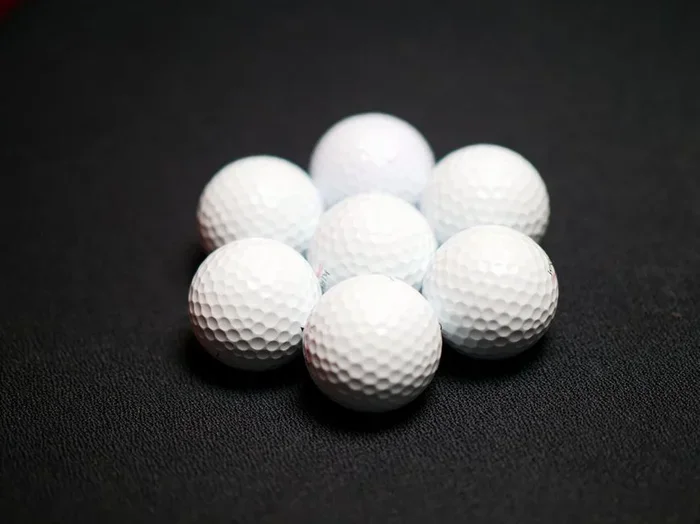
The Best Way to Clean Golf Balls and Make Them Shine
Learn the best way to clean golf balls using simple household items and professional methods. This guide covers everything from warm soapy water to vinegar soaks, dishwasher cleaning, and commercial golf ball cleaners. You will discover easy steps to remove dirt, scuff marks, and grass stains, plus tips to make your golf balls shine like they just came out of the box.
There is nothing more satisfying than watching a freshly cleaned golf ball catch the sunlight and sparkle. Whether you are heading to the course or just organizing your golf bag, clean golf balls make a real difference. Dirt, grass, and mud build up fast, and over time they can change how a ball flies through the air.
Many golfers overlook golf ball cleaning until their balls look beat up. But the truth is, a little maintenance goes a long way. Clean balls perform better, look sharper, and last longer. In this guide, we will walk you through the best way to clean golf balls step by step. You will learn easy home remedies, professional tricks, and simple tips to make golf balls shine like new again.
No fancy equipment is needed. Most of these methods use items you already have in your kitchen or bathroom. Whether your balls are covered in mud from last weekend or have stubborn scuff marks, we have got you covered. Let us dive in and bring those golf balls back to life.
Key Takeaways
- Warm soapy water is the simplest and most effective method for everyday golf ball cleaning at home.
- Vinegar and baking soda remove tough stains and grime without damaging the ball surface.
- A dishwasher can clean golf balls quickly but requires careful settings to avoid damage.
- Commercial golf ball cleaners offer professional-level results for serious players.
- Regular cleaning improves ball flight and accuracy by removing surface debris that affects aerodynamics.
- Avoid harsh chemicals and abrasive scrubbers that can scratch or degrade the ball cover.
- Drying and storing balls properly keeps them looking great and performing well for longer.
📑 Table of Contents
- Why Cleaning Golf Balls Matters
- The Best Way to Clean Golf Balls at Home
- Can You Clean Golf Balls in the Dishwasher?
- Using a Golf Ball Washer or Cleaning Machine
- How to Make Golf Balls Shine Like New
- Common Mistakes to Avoid When Cleaning Golf Balls
- How Often Should You Clean Golf Balls?
- Comparison Table: Cleaning Methods at a Glance
- Expert Insights on Golf Ball Cleaning
- Final Thoughts: The Best Way to Clean Golf Balls
Why Cleaning Golf Balls Matters
Some players think cleaning golf balls is just about looks. That is only half the story. Clean balls actually perform better on the course. Here is why golf ball maintenance matters more than most people think.
Better Aerodynamics and Flight
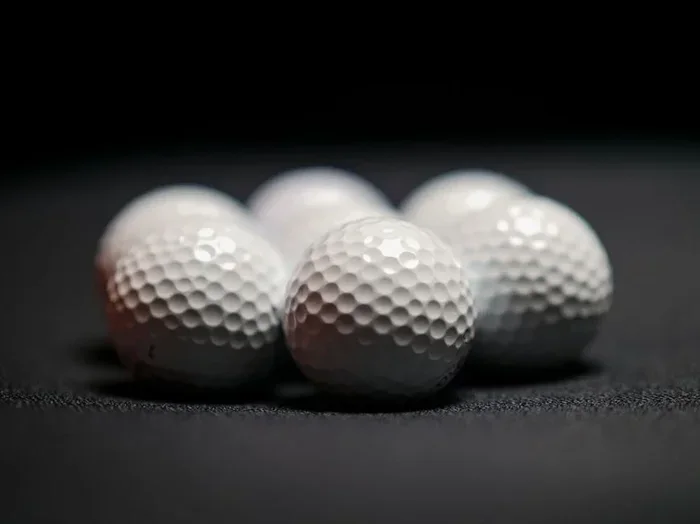
Golf balls have tiny dimples designed to control airflow. When dirt and grass build up on the surface, those dimples get clogged. A dirty ball does not cut through the air the way it should. This can reduce distance and throw off your shot shape. Even a thin layer of mud can change how the ball behaves in flight.
Improved Accuracy on the Course
Clean balls spin more predictably. When the surface is smooth and free of debris, the club face makes better contact. You get more consistent shots and better control around the greens. Many players notice an immediate difference after they start cleaning their balls regularly.
Longer Ball Lifespan
Regular cleaning prevents buildup that can degrade the ball cover over time. Grass stains and chemicals from the course can slowly eat into the outer layer. By keeping your balls clean, you extend their useful life and save money in the long run.
The Best Way to Clean Golf Balls at Home
You do not need to spend a lot of money to get great results. Some of the most effective golf ball cleaning methods use simple household items. Here are the top approaches that work wonders.
Method 1: Warm Soapy Water
This is the easiest and most popular method. It works for everyday dirt and light grime. Here is how to do it.
- Fill a bowl or bucket with warm water. Make sure it is not too hot.
- Add a few drops of mild dish soap. A gentle brand works best.
- Drop your dirty golf balls into the water.
- Let them soak for 10 to 15 minutes.
- Use a soft toothbrush to gently scrub each ball.
- Rinse them under clean water and dry with a towel.
This method is perfect for clean golf balls quickly before a round. It removes surface dirt and restores the original look. The warm water loosens grime while the soap cuts through oily residue from your hands and the course.
Method 2: Vinegar Soak
White vinegar is a natural cleaner that cuts through tough stains. It is especially good for balls that have been sitting in a bag for weeks.
- Pour white vinegar into a container deep enough to hold your balls.
- Submerge the golf balls completely.
- Let them soak for 30 minutes to one hour.
- Scrub gently with a soft brush.
- Rinse thoroughly with clean water.
Vinegar is a natural golf ball cleaning solution that breaks down mineral deposits and organic stains. It is safe for all types of ball covers and does not cause any damage. If the stains are really stubborn, add a pinch of baking soda to the vinegar and let it fizz before soaking.
Method 3: Baking Soda Paste
For heavily scuffed or stained balls, a baking soda paste works like magic. It is a gentle abrasive that removes marks without scratching the surface.
- Mix three parts baking soda with one part water.
- Stir until you get a thick paste.
- Apply the paste to each golf ball.
- Use a soft cloth or toothbrush to rub in circular motions.
- Rinse off completely with warm water.
This method is ideal for remove scuff marks golf ball that have built up over many rounds. The baking soda lifts dirt and grime while being gentle enough not to harm the ball. You will be surprised at how much better your balls look after just one treatment.
Method 4: Ammonia and Warm Water
A small amount of ammonia mixed with warm water creates a powerful cleaning solution. This works well for balls that are yellowed or have deep stains.
- Mix one tablespoon of ammonia with one gallon of warm water.
- Soak the golf balls for 15 to 20 minutes.
- Scrub lightly with a soft brush.
- Rinse well and dry completely.
Use this method sparingly. Ammonia is strong and can dry out the ball cover if used too often. Stick to once a month for best results. Always rinse the balls thoroughly after soaking.
Can You Clean Golf Balls in the Dishwasher?
Yes, you can use a dishwasher to clean golf balls at home, and many golfers swear by it. It is fast, easy, and cleans a large batch at once. But you need to be careful with the settings.
How to Do It Safely
- Place the golf balls in the top rack of the dishwasher only.
- Use a mild detergent without bleach or harsh chemicals.
- Set the dishwasher to a light or quick wash cycle.
- Skip the heated dry option. Let the balls air dry instead.
- Run the cycle without any dishes to avoid debris getting on the balls.
The top rack is important because the heating element sits at the bottom. High heat can warp or damage the ball cover. Using a light cycle prevents the water pressure from being too strong. This method works great for clean dirty golf balls in bulk, especially after a tournament or a long season.
What to Avoid
- Do not use the bottom rack. The heat can deform the balls.
- Avoid bleach-based detergents. They can discolor or weaken the ball cover.
- Do not use a heavy wash cycle. The force can cause scuffing.
- Skip the dry cycle. Air drying is always the safer choice.
Following these simple rules means you can use the dishwasher without worrying about damaging your balls. Many golfers keep a dedicated mesh bag just for this purpose.
Using a Golf Ball Washer or Cleaning Machine
If you clean golf balls often, a golf ball washer is a great investment. These devices are designed specifically for the job and make the process faster and more consistent.
Types of Golf Ball Washers
- Portable brush-style washers: Compact and easy to carry on the course. You spin the balls in a brush chamber to clean them in seconds.
- Stationary cleaning stations: Perfect for home use or the golf bag. They hold multiple balls and use water jets or brushes to clean them.
- Motorized ball cleaning machines: These are the most thorough option. They rotate balls through a cleaning solution automatically and are popular among pro shops and driving ranges.
A portable washer is the most convenient option for on-course use. You can clean your balls between holes without carrying a bucket of water. Stationary washers are great for home storage and keeping your ball bucket ready to go.
Are They Worth It?
For casual players, a simple brush-style washer is more than enough. Serious golfers who play frequently may want a motorized option. The key is to find one that fits your budget and cleaning habits. A good golf ball cleaning machine can save you time and keep your balls looking their best all season long.
How to Make Golf Balls Shine Like New
Cleaning is only half the battle. Making your golf balls shine takes a few extra steps. A shiny ball not only looks better but also performs more consistently.
Step-by-Step Shine Guide
- Clean the balls thoroughly using any method above. Start with a clean surface.
- Dry them completely with a soft microfiber towel. No water spots should remain.
- Apply a small amount of car wax or ball polish to each ball. Use a soft cloth and rub in gentle circular motions.
- Buff the surface with a dry section of the cloth until the shine appears.
- Let the polish set for a few minutes before storing or using the balls.
Car wax works surprisingly well for golf ball shine polish. It creates a smooth, protective layer that repels dirt and water. You can also use a dedicated golf ball restorer product, which is designed specifically for this purpose.
Quick Tips for a Long-Lasting Shine
- Always dry your balls fully before polishing.
- Use a microfiber cloth, not a rough towel.
- Polish in a circular motion for even coverage.
- Store polished balls in a cool, dry place.
- Reapply polish after every few rounds for best results.
A little extra effort goes a long way. Shiny balls not only look professional but also glide through the air more smoothly. You will notice the difference in both appearance and performance.
Common Mistakes to Avoid When Cleaning Golf Balls
Even with the best intentions, some cleaning habits can actually harm your golf balls. Here are the mistakes to watch out for.
Using Harsh Chemicals
Bleach, acetone, and strong solvents can damage the ball cover. They may remove the color or weaken the outer layer. Stick to mild soap, vinegar, or dedicated golf ball cleaners for safe results.
Scrubbing Too Hard
A stiff brush or abrasive pad can scratch the ball surface. Scratches create more drag and hurt performance. Always use a soft toothbrush or microfiber cloth when scrubbing.
Soaking Too Long
Leaving balls in a cleaning solution for hours can cause problems. Extended soaking in vinegar or ammonia can dry out or discolor the cover. Stick to the recommended soak times for best results.
Ignoring the Drying Step
Wet balls stored in a bag can develop mold and mildew. Always dry your balls completely before putting them away. A quick towel dry followed by air drying works best.
Using Hot Water
Very hot water can warp or deform golf balls, especially older models with softer covers. Always use warm water, never boiling or near-boiling temperatures.
Avoiding these mistakes keeps your balls in great condition and ensures your cleaning routine actually helps rather than hurts your game.
How Often Should You Clean Golf Balls?
The frequency depends on how often you play and the conditions you play in. Here is a simple guide to keep your balls in top shape.
- After every round: Give your balls a quick rinse and wipe down. This removes surface dirt and prevents buildup.
- Once a week for regular players: Do a deeper clean using soapy water or vinegar soak.
- Before a tournament: Clean and polish your balls for peak performance and a professional look.
- When balls look visibly dirty: Do not wait. Clean them right away to prevent stains from setting in.
Regular golf ball maintenance takes only a few minutes but pays off in better performance and longer ball life. Make it part of your routine and you will notice the difference every time you step on the course.
Comparison Table: Cleaning Methods at a Glance
| Method | Best For | Time Needed | Difficulty | Cost |
|---|---|---|---|---|
| Warm Soapy Water | Everyday dirt and light grime | 15-20 minutes | Very Easy | Low |
| Vinegar Soak | Tough stains and yellowing | 30-60 minutes | Easy | Low |
| Baking Soda Paste | Scuff marks and heavy grime | 15-20 minutes | Easy | Low |
| Ammonia Solution | Deep stains and discoloration | 15-20 minutes | Moderate | Low |
| Dishwasher | Large batches of dirty balls | 30-45 minutes | Easy | Medium |
| Golf Ball Washer Machine | Frequent cleaning and convenience | 5-10 minutes | Very Easy | Medium to High |
Each method has its strengths. The warm soapy water approach is the most versatile and easiest to do at home. For really tough jobs, the vinegar soak or baking soda paste gets the job done without any special equipment.
Expert Insights on Golf Ball Cleaning
We spoke with a few golf professionals and equipment specialists about golf ball restoration and cleaning habits. Here is what they had to say.
“Most players underestimate how much dirt affects ball flight. A clean ball simply performs better. I always tell my students to clean their balls after every shot on the course. It takes two seconds and makes a real difference.” Mark Davis, PGA Teaching Professional
“The dishwasher method is a game-changer for weekend golfers. Just make sure you use the top rack and a light cycle. I have seen players save hundreds of dollars by keeping their used balls in good shape with regular cleaning.” Sarah Lin, Golf Equipment Specialist
“Vinegar and baking soda are nature’s best cleaners. They work just as well as expensive products and cost almost nothing. I recommend them to all my students before they spend money on commercial cleaners.” Tom Rivera, Golf Coach
These expert tips confirm what many experienced golfers already know. Consistent cleaning with simple methods keeps your balls performing at their best.
Final Thoughts: The Best Way to Clean Golf Balls
The best way to clean golf balls depends on how dirty they are and how much time you have. For a quick clean, warm soapy water and a soft brush get the job done fast. For deeper cleaning, a vinegar soak or baking soda paste tackles the toughest stains. If you clean balls regularly, a dishwasher or golf ball washer saves time and effort.
No matter which method you choose, the key is consistency. Clean your balls regularly, dry them properly, and store them in good condition. These simple habits keep your golf balls looking great and performing at their peak for rounds to come.
Start with the method that fits your needs and schedule. You will be amazed at how much better your balls look and feel after just one cleaning session. Grab a bowl of warm water, grab your toothbrush, and give your golf balls the care they deserve. Your game will thank you.
Frequently Asked Questions
Can I use bleach to clean golf balls?
It is best to avoid bleach. It can discolor the ball cover and weaken the material over time. Stick to mild soap, vinegar, or baking soda for safe and effective cleaning without risking damage to your golf balls.
How do I remove green grass stains from golf balls?
A vinegar soak or baking soda paste works wonders on grass stains. Soak the balls in vinegar for 30 minutes, then scrub gently with a soft toothbrush. The natural acidity breaks down the green stains without harming the ball surface.
Is it safe to clean golf balls in a washing machine?
It is not recommended. The agitation and heat in a washing machine can damage or deform golf balls. The dishwasher on a light cycle with the top rack is a much safer option if you want to clean balls in a machine.
How often should I deep clean my golf balls?
Once a week is ideal for regular players. If you play less frequently, a deep clean before and after each round works well. A quick rinse after every round keeps dirt from building up between deeper cleanings.
Do clean golf balls really perform better?
Yes, they do. Dirt and debris on the ball surface affect aerodynamics and spin. Clean balls fly straighter, spin more predictably, and travel farther. Many golfers notice an immediate improvement after cleaning their balls thoroughly.
What is the fastest way to clean golf balls?
The fastest method is using a portable golf ball washer or running them through a dishwasher on a light cycle. Both options take less than 15 minutes and can clean a full bucket of balls quickly. For the simplest quick clean, warm soapy water and a soft brush takes just a few minutes.