Best Youth Golf Clubs for Ages 13-16 – Top Picks 2024
Choosing the best youth golf clubs for ages 13-16 can make a huge difference in your teen’s game. The right set balances proper length, shaft flex, and clubhead weight to match growing bodies and developing swing speeds. This guide covers top brands, key features, and expert fitting tips to help you make a confident purchase.
When your kid hits the teenage years, everything changes. Their body grows. Their swing gets faster. And the golf clubs they used just a year ago might not fit anymore. That is exactly why finding the best youth golf clubs age 13-16 matters so much.
Most parents walk into a sporting goods store and grab whatever looks right. But that approach can hold your teen back. The wrong clubs lead to bad habits, frustration, and even injuries. The right clubs, on the other hand, help young golfers build confidence and improve faster.
This guide breaks down everything you need to know. We cover what to look for, which brands stand out, and how to make sure the clubs fit your teen perfectly. Whether you are a seasoned golfer or a parent who just picked up a putter last weekend, you will find practical advice here.
Let us dive in and help your teen find the perfect setup for the course.
Key Takeaways
- Proper fit is critical: Clubs that match your teen’s height and swing speed improve accuracy and distance.
- Graphite shafts are ideal for most teens: They are lighter and easier to swing than steel.
- Adjustable clubs grow with your golfer: Look for features that allow length and lie angle adjustments.
- Top brands like Callaway, TaylorMade, and Cobra lead the market: Each offers strong options for this age group.
- Individual clubs often outperform full sets: You can build a custom set tailored to your teen’s needs.
- Avoid buying clubs that are too long: Oversized clubs cause poor posture and inconsistent swings.
📑 Table of Contents
- Why Choosing the Right Golf Clubs Matters for Teens
- Key Features to Look for in Youth Golf Clubs
- Top Youth Golf Club Brands for Ages 13-16
- Best Golf Club Sets vs. Individual Clubs
- How to Fit Youth Golf Clubs Properly
- Common Mistakes Parents Make When Buying Teen Golf Clubs
- Expert Insights: What Coaches Recommend
- Final Thoughts on Choosing the Best Youth Golf Clubs
Why Choosing the Right Golf Clubs Matters for Teens
Teenagers between 13 and 16 are in a unique phase of development. Their muscles are growing. Their coordination is improving. And their swing speed is increasing every month. Clubs that worked great six months ago may now feel too heavy, too short, or too stiff.
Using ill-fitting clubs does more than just make the game harder. It can actually teach bad swing habits. When a teen has to compensate for a club that is too long or too heavy, they develop awkward swings that are tough to fix later.
On the flip side, properly fitted junior golf clubs give teens the freedom to swing naturally. They can focus on technique instead of fighting their equipment. That leads to better scores, more fun, and a lasting love for the game.
The best youth golf clubs age 13-16 are designed with these growth spurts in mind. They offer lightweight construction, forgiving clubheads, and adjustability features that keep up with rapid changes in a young golfer’s body.
The Impact of Club Weight on Teen Swings
Club weight directly affects swing speed and control. Teens generally benefit from lighter clubs because their muscles are still developing. A heavy driver might sound impressive, but if your teen cannot swing it smoothly, it will cost them distance and accuracy.
Most teen golf clubs use graphite shafts instead of steel. Graphite is significantly lighter and adds flex, which helps generate clubhead speed. For teens with slower swing speeds, this makes a noticeable difference on the course.
How Growth Spurts Affect Club Fit
Here is something many parents overlook. A teen can grow two or three inches in a single year. That kind of growth completely changes the club length they need. A club that fit perfectly in September might be too short by March.
This is exactly why adjustable clubs and sets with replaceable shafts are so valuable. They allow you to adapt the equipment as your teen grows without buying a whole new set every season.
Key Features to Look for in Youth Golf Clubs
Not all teen golf clubs are created equal. Some are built for beginners, while others cater to competitive junior golfers. Understanding the key features helps you narrow down the best youth golf clubs age 13-16 for your situation.
Shaft Material and Flex
The shaft is the backbone of any golf club. For teens aged 13 to 16, graphite shafts are almost always the better choice. They weigh less, they flex more, and they help generate speed without requiring maximum effort.
When it comes to flex, look for regular or senior flex shafts. These are softer and easier to load during the swing. Stiff shafts are designed for adult golfers with high swing speeds, and they will feel like a tree branch in a teen’s hands.
Some premium teen clubs now offer adjustable flex options. This is a great feature because it lets you fine-tune the feel as your teen’s swing develops.
Clubhead Design and Forgiveness
Forgiveness is a big deal for young golfers. A forgiving clubhead sends the ball straight even on off-center hits. This is especially important for teens who have not yet developed a consistent, repeatable swing.
Look for cavity back irons and game improvement designs. These clubheads have a lower center of gravity and a larger sweet spot. They help teens get the ball airborne more easily and keep it on target.
Grip Size and Comfort
Grips might seem like a small detail, but they matter more than most people think. A grip that is too thick or too thin forces a teen to grip the club too tightly, which creates tension and reduces feel.
Standard junior grips work well for most teens in this age range. But if your child has particularly large or small hands, consider sizing up or down. A proper grip size allows for a relaxed hold and better wrist action through the swing.
Club Length and Height Matching
The right club length depends on your teen’s height and wrist-to-floor measurement. Clubs that are too long cause the golfer to stand too upright, while clubs that are too short force a hunched posture.
Many manufacturers now offer length adjustments of up to two inches. This is incredibly helpful for teens who are still growing. You can extend the clubs as needed without purchasing a new set.
Clubhead Speed and Launch Conditions
Teen golfers typically have clubhead speeds between 60 and 90 miles per hour. The best youth golf clubs age 13-16 are designed with this speed range in mind. They feature lighter clubheads and optimized loft angles that maximize distance and trajectory.
If your teen is on the faster end of that range, you might want to consider clubs with slightly heavier heads and stiffer shafts. Slower swingers benefit from lighter, more forgiving setups.
Top Youth Golf Club Brands for Ages 13-16
The golf industry has responded to the growing demand for quality teen equipment. Several brands now offer dedicated lines for junior and youth golfers. Here are the top brands worth considering.
Callaway Golf
Callaway is one of the most respected names in golf, and their youth line does not disappoint. The Callaway Strata and Callaway Rogue series offer excellent options for teens. These clubs feature oversized clubheads, perimeter weighting, and graphite shafts that promote easy launch and straight shots.
Callaway also offers adjustable drivers and hybrids, which is rare in the youth market. This means your teen can fine-tune their setup as they improve.
TaylorMade
TaylorMade is another powerhouse in the teen golf space. Their TaylorMade Sim2 and Burner lines are popular choices for competitive junior golfers. TaylorMade clubs tend to have a slightly more premium feel and offer advanced features like adjustable sole plates and movable weights.
These clubs are a great choice for teens who are serious about improving their game and want equipment that keeps up with their progress.
Cobra Golf
Cobra has built a strong reputation for producing forgiving, user-friendly clubs. Their youth and teen lines follow the same philosophy. Cobra clubs feature wide soles, progressive weighting, and ultra-thin faces that help teens get maximum distance with minimal effort.
Cobra also offers complete sets that include everything a teen needs from driver to putter. This is a convenient and cost-effective option for parents.
Ping
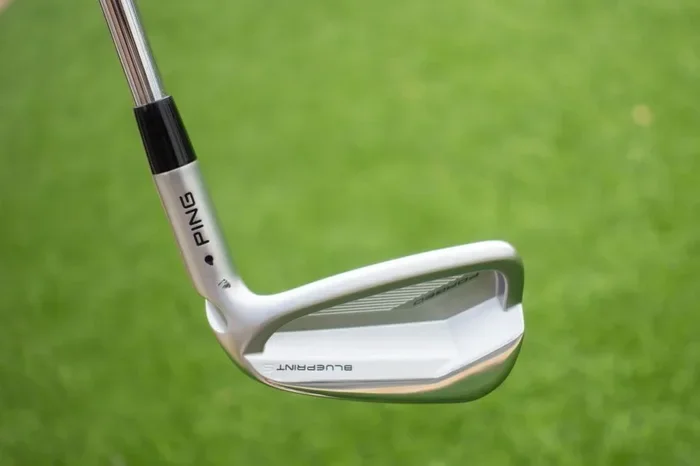
Ping has a long history of producing high-quality junior golf equipment. Their Ping G410 series extends into the youth market with excellent results. Ping clubs are known for their precision engineering and consistent performance.
One standout feature is Ping’s custom fitting process. They offer club fitting services that can be done online or in-store, making it easy to find the perfect setup for your teen.
Wilson and Precise
Wilson and Precise offer budget-friendly options that still deliver solid performance. These brands are perfect for beginners or teens who are just getting started with the sport. While they may not have all the advanced features of Callaway or TaylorMade, they provide excellent value for the price.
If your teen is casual about golf or you are not sure how committed they will be, Wilson and Precise are great starting points.
Best Golf Club Sets vs. Individual Clubs
One of the biggest decisions parents face is whether to buy a complete set or purchase individual clubs. Both approaches have their pros and cons.
Advantages of Complete Sets
Complete sets are convenient. They come with everything your teen needs in a matching bag. The clubs are designed to work together, with consistent aesthetics and balanced specifications.
Sets are also often more affordable than buying individual clubs separately. If you are on a budget, a quality complete set is a smart way to get started.
Benefits of Building a Custom Set
Building a custom set allows you to choose each club based on your teen’s specific needs. You can mix and match brands, shaft types, and clubhead designs to create the perfect setup.
For example, your teen might prefer a specific driver but want forgiving irons from a different brand. A custom set gives you the flexibility to optimize every club in the bag.
For the best youth golf clubs age 13-16, many experts recommend starting with a core set of clubs and adding pieces over time. A good starter setup includes a driver, a hybrid or fairway wood, a mid-iron, a short iron, a wedge, and a putter.
Comparison Table: Sets vs. Individual Clubs
| Factor | Complete Sets | Individual Clubs |
|---|---|---|
| Cost | More affordable upfront | Higher total cost |
| Customization | Limited options | Fully customizable |
| Convenience | Everything in one package | Requires research and selection |
| Quality | Varies by brand | Can select premium pieces |
| Growth Adaptability | Harder to adjust | Easy to replace individual clubs |
How to Fit Youth Golf Clubs Properly
Fitting is the most important step in choosing golf clubs for any age group, but it is especially critical for teens. A proper fitting ensures that every club in the bag matches your teen’s body dimensions and swing characteristics.
The Wrist-to-Floor Measurement
The first step in fitting is measuring wrist-to-floor height. This is the distance from the ground to the crease in your teen’s wrist when they stand with their arms relaxed at their sides. This measurement determines the correct club length.
Most fitting charts map wrist-to-floor measurements to specific club lengths. For example, a teen who is 5 feet 6 inches tall with a wrist-to-floor measurement of 33 inches will need a different length than a teen who is the same height but has longer arms.
Swing Speed and Shaft Flex
Shaft flex should match your teen’s swing speed. Faster swingers need stiffer shafts, while slower swingers benefit from more flexible options. Many golf stores and online retailers offer swing speed testing services.
If you are buying clubs online and cannot get a fitting, choose regular flex as a safe default for most teens in this age group. It works well for swing speeds between 70 and 90 miles per hour.
Lie Angle and Clubhead Offset
The lie angle is the angle between the shaft and the clubhead sole. An incorrect lie angle causes the club to contact the ground too early or too late, leading to inconsistent shots.
Some teen clubs offer adjustable lie angles. This is a valuable feature because it allows you to fine-tune the setup as your teen’s swing evolves. When shopping for the best youth golf clubs age 13-16, prioritize clubs with adjustable lie angles whenever possible.
Grip Thickness and Material
Grip thickness affects how your teen holds the club. A grip that is too thin forces the hands to squeeze too hard, while a grip that is too thick reduces wrist action and feel.
Most teen clubs come with standard grips. If your teen has unusually large or small hands, consider having grips custom-sized at a local golf shop. It is a small investment that makes a big difference.
Quick Tips for Proper Fitting
- Measure wrist-to-floor height before shopping.
- Have your teen swing each club before purchasing.
- Check that the club sits comfortably at address without hunching or standing too tall.
- Choose graphite shafts for lighter, more flexible clubs.
- Prioritize forgiving clubhead designs for developing swings.
- Re-fit your teen every six months to account for growth.
Common Mistakes Parents Make When Buying Teen Golf Clubs
Buying golf clubs for a teenager can be tricky. Even well-meaning parents sometimes make mistakes that waste money and hurt their teen’s progress. Here are the most common pitfalls to avoid.
Buying Clubs That Are Too Big
The most common mistake is buying clubs that are too long. Parents often think their teen will “grow into” the clubs, but oversized equipment causes immediate problems. It forces the golfer into poor posture and makes it hard to control the clubhead.
If your teen is between sizes, choose the smaller option. They can always move up with an adjustable shaft or by adding an extension later.
Focusing on Brand Over Fit
Brand name matters less than proper fit. A lesser-known brand that fits your teen perfectly will outperform a top brand that does not fit at all. Always prioritize length, weight, and flex over brand prestige.
Ignoring the Putter
The putter is the most-used club in any golfer’s bag, yet parents often overlook it when shopping for teen clubs. A putter that is the right length and weight helps your teen develop a consistent putting stroke.
Make sure the putter fits your teen’s height and posture. Many teen putters are available in adjustable lengths to accommodate growth.
Skipping the Fitting Process
Buying clubs off the shelf without any fitting is like buying shoes without trying them on. Every teen is different, and what works for one player may not work for another.
Take the time to get fitted, even if it is just a basic fitting at a local pro shop. The investment pays off in better performance and fewer frustrated trips to the range.
Overbuying for Beginners
If your teen is just starting out, resist the urge to buy the most expensive, feature-packed clubs. A beginner needs forgiving, easy-to-hit clubs that build confidence. Premium clubs with advanced technology are better suited for intermediate and advanced players.
Start simple and upgrade as your teen’s skills develop. This approach saves money and prevents equipment from becoming outdated too quickly.
Expert Insights: What Coaches Recommend
We spoke with several junior golf coaches to get their advice on selecting clubs for teens. Their insights reinforce what the equipment data shows.
Coach Mike Rivera, who has trained junior golfers for over 15 years, emphasizes fit above all else. He says, “I see so many teens struggling because their clubs do not fit. A simple fitting can transform a young golfer’s performance overnight.”
Another coach, Sarah Chen, recommends focusing on the short game. She advises parents to invest in quality wedges and a reliable putter, even if the driver and irons are more basic. “Most shots in golf happen within 100 yards,” she explains. “If your teen can putt and chip well, their score will improve regardless of what driver they use.”
These expert tips align with what the best equipment manufacturers recommend. The best youth golf clubs age 13-16 are not necessarily the most expensive ones. They are the ones that fit properly, match the teen’s skill level, and support their development as a golfer.
Final Thoughts on Choosing the Best Youth Golf Clubs
Finding the right golf clubs for your teen does not have to be overwhelming. Start with the basics: proper length, appropriate shaft flex, and a forgiving clubhead design. From there, you can refine the setup based on your teen’s preferences and skill level.
The best youth golf clubs age 13-16 are the ones that help your teen play better and enjoy the game more. Whether you choose a complete set from Callaway, TaylorMade, or Cobra, or build a custom bag with individual clubs, the key is matching the equipment to your teen’s unique needs.
Remember that teens grow fast and their skills evolve quickly. What works today may not work in six months. Plan for adjustments, stay flexible, and prioritize fit over everything else. With the right clubs in their bag, your teen will be well-equipped to enjoy golf for years to come.
Take the time to research, get fitted, and involve your teen in the decision. When they feel good about their equipment, they will feel confident on the course. And confidence is the foundation of every great round of golf.
Frequently Asked Questions
What is the best golf club set for a 14-year-old beginner?
For a 14-year-old beginner, look for a complete set with graphite shafts, cavity back irons, and a forgiving driver. The Callaway Strata Complete Set and the Precise MX-series are excellent choices that offer great value and easy-to-hit designs for new golfers.
How often should I replace my teen’s golf clubs?
Most teens need new clubs every one to two years due to rapid growth and swing development. Check the club length and fit every six months, and replace clubs when they no longer match your teen’s height or swing speed.
Are graphite shafts better than steel for teen golfers?
Yes, graphite shafts are generally better for teens. They are lighter, more flexible, and easier to swing. Most teen golfers benefit from the extra flex and reduced weight that graphite provides compared to steel shafts.
Can my teen use adult golf clubs?
In some cases, yes. If your teen is taller than average for their age and has a developed swing, adult clubs with adjustable settings may work. However, youth-specific clubs are designed for lighter grips, shorter lengths, and more forgiving head designs that suit developing golfers better.
How much should I spend on youth golf clubs for a teenager?
A good quality set of youth clubs for ages 13-16 typically costs between 200 and 500 dollars. Premium individual clubs can push the total higher, but you do not need to spend a fortune to get clubs that perform well and fit properly.
Should I buy a full set or individual clubs for my teen?
This depends on your teen’s commitment level and budget. A complete set is convenient and cost-effective for beginners. Individual clubs offer better customization and are ideal for teens who are serious about improving. Many parents start with a set and gradually upgrade to individual clubs as their teen progresses.