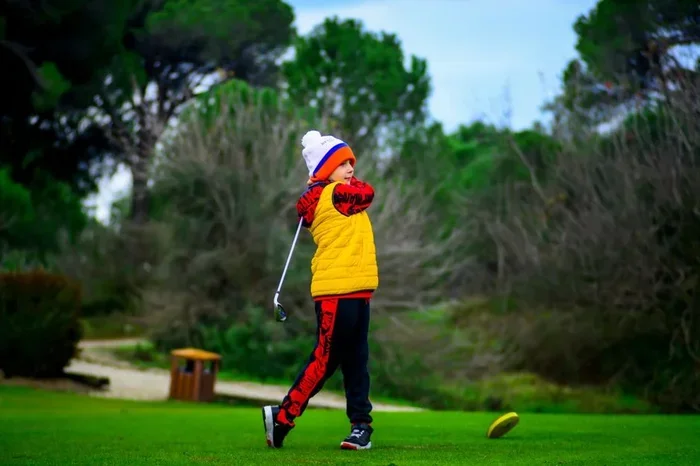
Stay Warm with Golf Wear for Cold Weather on the Course
Golf wear for cold weather keeps you comfortable, focused, and ready to play your best when temperatures drop. The right layering system and thermal golf apparel can make the difference between a great round and a miserable one. Learn how to choose the best pieces for winter golf and stay warm all season long.
There is nothing quite like stepping onto the first tee on a crisp autumn morning. The air is cool, the course is empty, and the sky is crystal clear. But then the wind picks up, and the temperature starts to drop. That is when having the right golf wear for cold weather makes all the difference.
Playing golf in cold conditions is not just about comfort. It is about performance. When your muscles are warm and your body is protected from the elements, your swing stays fluid and your focus stays sharp. The right cold weather golf clothes help you maintain your body heat, wick away sweat, and move freely through every shot.
Many golfers struggle with what to wear when the temperature dips below 50 degrees. They either bundle up too much and lose mobility, or they dress too lightly and get cold by the ninth hole. This guide will walk you through everything you need to know about golf apparel for cold weather. From base layers to outerwear, we will cover the best fabrics, the most effective layering strategies, and the accessories that will keep you warm all season long.
Key Takeaways
- Layering is the foundation: A proper three-layer system keeps you warm without restricting your swing
- Base layers matter most: Moisture-wicking thermal tops and bottoms trap heat close to your skin
- Outerwear should block wind and rain: A quality windproof jacket or vest protects you from the elements
- Accessories complete the look: Gloves, hats, and neck warmers prevent heat loss from exposed areas
- Avoid cotton at all costs: Cotton absorbs moisture and leaves you cold and clammy
- Heated gear is a game-changer: Battery-powered heated gloves and insoles add extra warmth on frigid days
- Fit over fashion: Choose pieces that allow full range of motion for a natural golf swing
📑 Table of Contents
- Why Proper Golf Wear for Cold Weather Matters
- The Best Base Layers for Cold Weather Golf
- Mid-Layers and Insulating Golf Apparel
- Outerwear: Jackets and Vests for Winter Golf
- Essential Accessories for Cold Weather Golf
- Common Mistakes to Avoid When Dressing for Cold Weather Golf
- Expert Insights: How to Build Your Cold Weather Golf Wardrobe
- Final Thoughts: Embrace the Cold with the Right Golf Wear for Cold Weather
Why Proper Golf Wear for Cold Weather Matters
You might wonder why dressing for cold weather golf is such a big deal. After all, you are walking the course, so you should stay warm naturally, right? Not exactly. Cold muscles perform poorly. When your body is fighting to stay warm, it diverts blood away from your extremities and toward your core. This affects your flexibility, your grip strength, and your overall stamina.
Wearing the right winter golf gear keeps your body in a comfortable temperature zone. This means better blood flow, warmer muscles, and a more consistent swing. Studies show that athletes perform best when their core body temperature stays stable. In cold weather, that stability comes from smart clothing choices.
The difference between a good round and a bad one can come down to what you are wearing. A windproof golf jacket that blocks the breeze or a pair of insulated golf pants that keeps your legs warm can transform your experience on the course. Do not underestimate the power of proper warm golf clothing.
The Science Behind Cold Weather Golf Performance
Your body loses heat in four main ways: conduction, convection, radiation, and evaporation. Wind and moisture are the biggest enemies of a warm body on the golf course. A windproof golf jacket tackles convection by blocking cold air from stripping heat away from your skin. Moisture-wicking fabrics fight evaporation by pulling sweat away from your body before it can chill you.
Understanding these basic principles helps you choose the right pieces. You want clothing that blocks wind, manages moisture, and traps heat. That is the foundation of any good golf layering system.
The Best Base Layers for Cold Weather Golf
The first layer you put on is the most important. Base layers sit directly against your skin and do the heavy lifting when it comes to temperature regulation. A good thermal golf base layer wicks moisture away from your body and traps a thin layer of warm air against your skin. This is the single most impactful piece of golf wear for cold weather you can own.
Thermal Golf Shirts and Tops
Look for long-sleeve thermal shirts made from merino wool or synthetic blends. Merino wool is a favorite among cold weather golfers because it is naturally odor-resistant, breathable, and incredibly warm for its weight. Synthetic materials like polyester and nylon dry faster and are often more affordable.
Here are some quick tips for choosing the right thermal top:
- Go for a snug fit: Base layers should be tight against the skin to trap heat effectively
- Choose long sleeves: Full coverage keeps your arms warm and protects your swing mechanics
- Check the fabric weight: Lightweight thermals work for 40 to 55 degrees, while midweight options are better for below 40
- Look for flat seams: Flat seams prevent chafing during your golf swing
- Prioritize moisture-wicking: A moisture-wicking golf shirt keeps you dry and comfortable through every hole
Insulated Golf Pants and Leggings
Your legs lose a lot of heat, especially when you are standing on the tee box or waiting on the green. Insulated golf pants or thermal leggings keep your lower body warm without adding bulk. Many golfers prefer softshell pants for their flexibility and wind resistance.
A good thermal golf base layer for the bottom half is just as important as the top. Look for pants with a bit of stretch so they move with you during your swing. Some golfers also use golf thermal underwear as an extra layer on especially cold days.
Quick Tips
Always try on your base layers with your golf shoes and a mid-layer. You need to make sure everything fits comfortably and does not restrict your swing. A tight base layer is good, but one that cuts off circulation is not.
Also, consider bringing a spare pair of thermal socks. Cold, wet feet can ruin a round faster than anything else. Dry feet mean a happy golfer.
Mid-Layers and Insulating Golf Apparel
The mid-layer is the warmth engine of your golf layering system. It traps body heat and provides insulation without adding too much bulk. The right mid-layer keeps you warm on cold mornings and can be easily removed if you heat up during a brisk walk between holes.
Fleece and Softshell Options
Fleece jackets and pullovers are excellent mid-layers for golf. They are lightweight, breathable, and retain warmth even when damp. Microfleece and Polartec fabrics are popular choices because they offer great warmth-to-weight ratios. A fleece pullover works well as a mid-layer under a shell jacket on most cold days.
Softshell jackets are another great option. They provide more wind resistance than fleece while still allowing moisture to escape. Many golfers prefer softshells for their versatility and sleek look on the course. They also move with your body better than traditional fleece.
Down vs Synthetic Insulation
When choosing a mid-layer, you will face the classic down versus synthetic debate. Here is a quick comparison to help you decide:
| Feature | Down Insulation | Synthetic Insulation |
|---|---|---|
| Warmth-to-weight ratio | Excellent | Good |
| Moisture resistance | Poor (loses warmth when wet) | Excellent (retains warmth when wet) |
| Breathability | Good | Moderate |
| Price | Higher | More affordable |
| Best for | Dry cold conditions | Wet or variable conditions |
| Packability | Excellent | Good |
| Durability | Moderate | High |
For most golfers, synthetic insulation is the safer choice. Golf courses can be damp, and you do not want your mid-layer losing its warmth from morning dew or light rain. However, if you mostly play in dry, cold climates, a down mid-layer is hard to beat.
Many golfers also like heated golf apparel as a mid-layer option. Battery-powered heated vests and jackets provide adjustable warmth and are becoming increasingly popular among serious cold weather players. These pieces use thin heating elements powered by small rechargeable batteries, and they can be a real game-changer on bitterly cold days.
Outerwear: Jackets and Vests for Winter Golf
The outermost layer is your shield against the elements. This is your windproof golf jacket or vest that blocks rain, snow, and wind while allowing your body heat to circulate. Getting this layer right is essential for staying comfortable through all 18 holes.
Windproof and Waterproof Golf Jackets
A good waterproof golf outerwear jacket should have a high collar, sealed seams, and a waterproof rating of at least 5,000mm. Look for jackets with underarm vents or zippered pit zips. These allow you to release heat when you are walking between holes and the sun is out.
Many modern golf jackets for winter are designed specifically for the sport. They feature extended tails to prevent your lower back from getting cold when you bend over to read a putt. They also have spacious pockets that fit scorecards and gloves without adding bulk. Some even come with hoods that fit over a hat or beanie.
When shopping for golf wear for cold weather outerwear, pay attention to the fabric. Look for materials that are both waterproof and breathable. A jacket that blocks rain but traps sweat inside will leave you just as uncomfortable as being out in the rain without one.
Golf Vests for Cold Weather
If you find full jackets too restrictive, a golf vest is a great alternative. Vests keep your core warm while allowing your arms full range of motion. They work perfectly as an outer layer on milder cold days or as a mid-layer under a shell jacket on particularly frigid rounds.
Down vests are especially popular because they pack light and provide excellent warmth. Look for vests with a water-resistant shell so they can handle light drizzle without soaking through. A vest is also a great choice for golfers who run warm and tend to overheat during physical activity.
Essential Accessories for Cold Weather Golf
Accessories are the unsung heroes of cold weather golf clothing. They protect the areas that lose heat the fastest: your head, hands, and neck. A few well-chosen accessories can dramatically improve your comfort on the course.
Gloves, Hats, and Neck Warmers
Your hands get cold fast, especially when gripping a club for hours. Golf gloves for cold weather are typically made with extra insulation and windproof materials. Some feature touchscreen-compatible fingertips so you can check your phone without removing them. Look for gloves that are waterproof and have a good grip, even when wet.
A warm hat or golf beanie prevents heat loss through your head. Look for beanies made from merino wool or fleece that fit snugly but do not restrict your peripheral vision. A golf neck gaiter or buff is another must-have. It keeps your neck and chin warm and can be pulled up over your face when the wind picks up.
Do not overlook winter golf accessories like ear warmers or balaclavas. Even a small amount of exposed skin on your ears can cause your whole body to feel cold. These small additions to your golf thermals setup can make a surprisingly big difference.
Hand Warmers and Heated Gear
Disposable hand warmers are a simple and affordable way to keep your fingers functional between shots. Slip them into your pockets and warm your hands during the walk from the tee box to the fairway. Some golfers also tuck them into their gloves for direct warmth.
For those who want a more high-tech solution, heated golf gloves and battery-powered insoles are available. These heated golf accessories provide consistent warmth throughout your round and are especially helpful for golfers who struggle with cold hands. Rechargeable versions are more environmentally friendly and cost-effective in the long run.
Quick Tips
Keep a pair of hand warmers in your golf bag at all times during cold months. They weigh almost nothing and can save a miserable round. Also, warm your grips before you start playing by wrapping them in a towel heated in the dryer.
Common Mistakes to Avoid When Dressing for Cold Weather Golf
Even experienced golfers make mistakes when they dress for cold rounds. Here are the most common errors and how to avoid them.
Dressing Too Warm
It might seem counterintuitive, but wearing too many layers can actually make you colder. When you overheat, you sweat more. That sweat soaks your base layer and pulls heat away from your body. Start with fewer layers and add a vest or light jacket if needed. You can always take a layer off.
The key is to dress for the first nine holes, not the coldest moment of the day. Your body will generate heat as you walk and swing. Overdressing leads to sweating, and sweating leads to chilling. This is one of the most important cold weather golf tips you will ever hear.
Ignoring the Wind Chill Factor
The actual temperature on the course often feels much colder because of wind. A 40-degree day with 15 mph winds feels like the mid-20s. Always check the wind chill forecast, not just the actual temperature, when choosing your golf wear for cold weather. A windproof outer layer is essential on breezy days.
Forgetting About Your Feet
Cold, wet feet can ruin an otherwise great round. Wear thermal golf socks and make sure your shoes are waterproof. Some golfers use thin insoles with a thermal layer to keep their feet warm without making their shoes too tight. Your feet carry you through 18 holes, so they deserve proper protection.
Using Cotton as a Base Layer
Cotton is the enemy of cold weather golf. It absorbs moisture and holds it against your skin, leaving you cold and clammy. Always choose moisture-wicking materials like merino wool, polyester, or nylon for your base layers. This is one of the most important cold weather golf tips you will ever hear. Never wear a cotton t-shirt under your thermal top.
Expert Insights: How to Build Your Cold Weather Golf Wardrobe
Building a cold weather golf wardrobe does not have to happen overnight. Start with the essentials and add pieces as you learn what works best for your body and your local climate.
Professional golfers who play in cold climates recommend starting with a quality thermal golf base layer and a reliable windproof golf jacket. These two pieces alone can make a dramatic difference in your comfort level. From there, add a mid-layer, proper gloves, and a warm hat.
Many top golfers also swear by the golf layering system approach. This means having multiple lightweight pieces that can be added or removed based on conditions. A lightweight vest over a thermal shirt, under a shell jacket, gives you maximum flexibility to adapt to changing weather throughout your round. This strategy lets you stay in your ideal temperature zone no matter what the weather throws at you.
Investing in quality golf thermals and winter golf accessories pays off in both comfort and performance. You will play better, stay out longer, and actually look forward to those cold morning tee times. The right warm golf clothing is an investment in your game and your enjoyment of the sport.
Final Thoughts: Embrace the Cold with the Right Golf Wear for Cold Weather
Cold weather should not keep you off the golf course. With the right golf wear for cold weather, you can enjoy your game year-round. The key is to invest in quality layers that work together as a system. Start with a moisture-wicking base layer, add an insulating mid-layer, and top it off with a windproof and waterproof outer shell.
Do not forget the accessories. A good pair of cold-weather gloves, a warm beanie, and a neck gaiter can make the difference between a comfortable round and a miserable one. And always remember to avoid cotton and to check the wind chill before you head out.
The best cold weather golf clothes are the ones that fit well, feel comfortable, and allow you to move freely. Take the time to find pieces that work for you, and you will be surprised at how much you can enjoy golf even in the coldest months. Get out there, stay warm, and keep swinging.
Frequently Asked Questions
What is the best fabric for golf wear for cold weather?
Merino wool and synthetic blends like polyester and nylon are the best fabrics for cold weather golf. They wick moisture, retain heat, and dry quickly. Avoid cotton at all costs because it holds moisture and makes you feel cold and clammy on the course.
How many layers should I wear for cold weather golf?
A three-layer system works best for most golfers. Start with a moisture-wicking base layer, add an insulating mid-layer like fleece or a down vest, and finish with a windproof and waterproof outer shell. Adjust based on the temperature and your personal comfort level.
Can I wear heated golf apparel in cold weather?
Yes, heated golf apparel is a great option for cold weather rounds. Battery-powered heated gloves, vests, and insoles provide adjustable warmth and are especially helpful for golfers who struggle with cold extremities. They are lightweight and do not restrict your swing.
What accessories are essential for cold weather golf?
The most essential accessories include cold-weather golf gloves, a warm beanie or hat, a neck gaiter or buff, and hand warmers. These items protect the areas that lose heat the fastest and can dramatically improve your comfort on cold courses.
How do I know if my golf outerwear is waterproof enough?
Look for a waterproof rating of at least 5,000mm and sealed seams on your golf jacket or vest. A water-resistant shell with a DWR coating works well for light rain, but heavier storms require fully waterproof outerwear with taped seams.
Is it better to dress warm or cool for a cold weather round?
It is better to dress slightly cool at the start. Your body will generate heat as you walk and swing, and overdressing leads to sweating, which makes you colder later in the round. Start with fewer layers and add a vest or jacket if needed during the round.