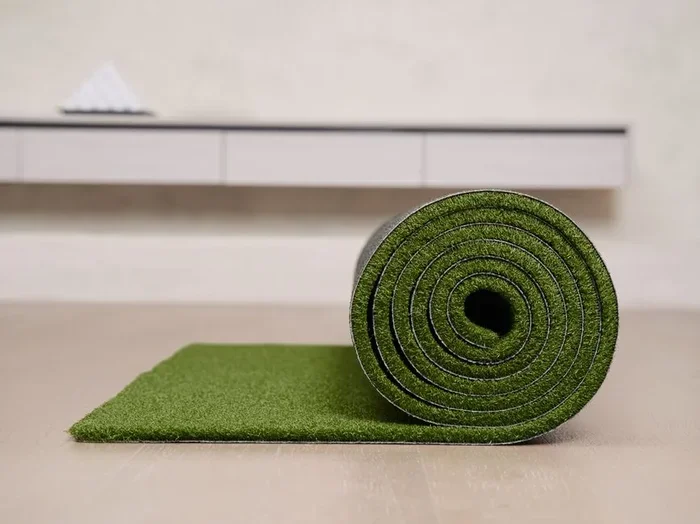
Artificial Grass for Golf Mats The Ultimate Practice Upgrade
Artificial grass for golf mats is a game-changer for any golfer who wants to practice at home. These mats deliver a realistic turf feel that helps you refine your swing, short game, and putting without leaving your backyard or garage. With durable synthetic turf and smart design, they make indoor golf simulation and backyard golf practice easier than ever. Whether you are a beginner or a seasoned player, upgrading to a quality golf practice mat can seriously boost your skills.
Golfers know the struggle. You want to improve your game, but the range is far, the greens are crowded, and practice time is limited. That is exactly why artificial grass for golf mats has become such a popular solution. These mats bring the practice range and putting green right to your home, garage, or backyard. You can work on your full swing, short game, and putting whenever you want.
The beauty of a good golf practice mat is that it gives you real feedback. The ball reacts to the turf much like it would on a real fairway or green. This means you are not just swinging randomly. You are training with purpose. Whether you are a weekend warrior or someone who dreams of playing on tour, a quality mat can make a real difference in your golf swing improvement journey.
In this guide, we will cover everything you need to know about artificial grass for golf mats. We will look at why they matter, what features to consider, and how to choose the best one for your setup. By the end, you will know exactly what to look for and how to get the most out of your practice sessions.
Key Takeaways
- Realistic Practice Surface: Artificial grass for golf mats mimics real fairway and green conditions for authentic swing feedback.
- Home Convenience: Practice your swing anytime without heading to the range or course.
- Durability and Longevity: High-quality synthetic turf withstands thousands of swings and weather exposure.
- Short Game Improvement: Putting and chipping mats help you sharpen skills around the greens.
- Cost Effective: Investing in a home mat saves money on range balls and green fees over time.
- Easy Setup: Most mats install quickly with minimal tools and no professional help needed.
- Versatile Use: Use your mat for full swings, chipping, putting, and even golf fitness drills.
📑 Table of Contents
- Why Artificial Grass for Golf Mats Matters
- Key Features to Look For in a Golf Mat
- Benefits of Practicing with Artificial Grass Mats
- How to Choose the Best Artificial Grass Golf Mat
- Setting Up Your Golf Mat for Best Results
- Expert Insights on Home Golf Practice
- Maintenance Tips for Long-Lasting Performance
- Conclusion
Why Artificial Grass for Golf Mats Matters
Golf is a game of repetition and precision. The more you practice, the better you get. But not everyone has time to visit the driving range three times a week. A golf hitting mat solves this problem by giving you a reliable surface to swing on at home.
Here is why it matters so much:
- Consistent Practice: You can work on your swing every single day. No need to wait for a weekend trip to the range.
- Realistic Ball Flight: Quality synthetic turf mimics real grass, giving you honest feedback on contact and trajectory.
- Short Game Training: Chipping and putting mats let you focus on the skills that actually lower your score.
- All-Weather Access: Rain, snow, or extreme heat. Your mat is always ready for use indoors or outdoors.
- Swing Speed Development: You can safely practice full-speed swings without worrying about damaging your backyard.
Many golfers who switch to home practice see noticeable improvement within weeks. The key is consistency, and a golf practice mat makes that easy to achieve.
The Science Behind Realistic Turf Feel
Not all artificial turf is created equal. The best artificial grass for golf mats uses specialized fibers designed to replicate the feel and roll of natural grass. The pile height, fiber density, and material all play a role in how the ball interacts with the surface.
For example, a shorter pile height works best for full swing shots because it allows the club to make clean contact. Longer fibers are better for simulating rough or fairway conditions. When you understand these differences, you can pick a mat that truly matches your practice routine needs.
Key Features to Look For in a Golf Mat
Shopping for a golf practice mat can be overwhelming. There are so many options out there. But knowing what to look for makes the decision much easier. Here are the features that matter most.
Material and Turf Quality
The material of your synthetic turf is the foundation of any good mat. Look for high-density polyethylene or nylon fibers. These materials are durable and provide a realistic feel. Cheap mats with thin polyester fibers will wear out fast and give poor feedback.
Here is what to check:
- Fiber Density: Denser turf feels more like real grass and lasts longer.
- Pile Height: Choose based on your practice goals. Short pile for full swings, longer pile for chipping.
- Backing Material: A strong rubber or latex backing prevents the mat from curling or shifting during use.
Size and Thickness
The size of your mat depends on your space and practice goals. A standard golf hitting mat is about 4 by 6 feet, which is perfect for full swings. For a more complete setup, consider larger mats that include a putting area.
Thickness matters too. A thicker mat, around 15 to 25 millimeters, provides better shock absorption. This protects your joints and feels more comfortable underfoot during long practice sessions.
Built-In Features
Some artificial grass for golf mats come with extra features that add real value:
- Ball Return Systems: These save you from bending over to pick up balls after every shot.
- Putting Surfaces: Built-in green sections let you practice putting right alongside your full swing area.
- Alignment Aids: Printed lines and guides help you set up properly and work on your alignment.
- Water Resistance: Mats that drain well can be used outdoors without pooling water.
Benefits of Practicing with Artificial Grass Mats
Switching to a golf practice mat at home brings a long list of benefits. Let us break down the biggest advantages.
1. Improve Your Swing Consistency
When you practice regularly, your muscle memory improves. A golf mat gives you the surface you need to repeat your swing thousands of times. Over time, this leads to more consistent ball striking and better control.
2. Save Money on Range Fees
Think about how much you spend on range balls and green fees. A one-time investment in a quality mat pays for itself quickly. You get unlimited practice without spending a dime on balls.
3. Practice Your Short Game
Most amateur golfers lose strokes around the greens. A mat with a putting surface lets you work on your short game practice every day. You can set up different chip scenarios and work on distance control and touch.
4. Convenient and Time-Saving
No driving to the range. No waiting for the range to open. No dealing with crowded tee sheets. Your mat is ready whenever you are. Even a 15-minute session after work can make a real difference over time.
5. Safe for Indoor Use
Many golf simulation setups include a mat as the foundation. Quality artificial turf is designed to handle indoor use without shedding fibers or creating a mess. This makes it perfect for garage or basement setups.
How to Choose the Best Artificial Grass Golf Mat
With so many options available, picking the right mat can feel tricky. Use this guide to narrow down your choices and find the perfect fit.
Assess Your Space
Measure the area where you plan to set up your mat. Do you have a large backyard or a small garage? Your available space will determine the mat size. A smaller space works well with a compact golf hitting mat that focuses on full swings. Larger spaces allow for a full setup with putting and chipping areas.
Define Your Practice Goals
What do you want to improve? If you struggle with your full swing, look for a mat with a firm, short-pile surface. If your putting is your weakness, prioritize a mat with a smooth, fast-rolling green section. For overall improvement, choose a mat that offers both.
Set a Budget
Artificial grass for golf mats come in a wide price range. Budget mats start around 50 to 100 dollars and work fine for casual practice. Mid-range mats between 150 and 400 dollars offer better turf quality and durability. Premium mats with professional-grade turf and premium features can cost 500 dollars or more.
Here is a quick comparison to help you decide:
| Category | Price Range | Best For | Durability |
|---|---|---|---|
| Budget Mats | 50 – 100 | Casual practice, beginners | Light to moderate use |
| Mid-Range Mats | 150 – 400 | Regular home practice, intermediate players | Moderate to heavy use |
| Premium Mats | 500+ | Serious golfers, professionals | Heavy daily use |
Read Reviews and Check Warranties
Before you buy, read customer reviews carefully. Look for feedback on durability, realistic feel, and ease of setup. Also, check the warranty. A good manufacturer will stand behind their product with at least a one-year warranty. This shows confidence in the turf quality and construction.
Setting Up Your Golf Mat for Best Results
Once you have your golf practice mat, proper setup makes all the difference. A well-installed mat feels better and lasts longer.
Step-by-Step Setup Guide
- Choose a Flat Surface: Place your mat on a level floor or ground. Uneven surfaces affect ball roll and can cause the mat to shift during swings.
- Secure the Edges: Use turf staples or heavy objects to keep the mat from moving. This is especially important for outdoor setups.
- Add a Backing Mat (Optional): A foam or rubber underlay adds cushioning and protects your floor from club impacts.
- Set Up Your Target: Place a target or alignment stick a few feet away. This gives you a focal point for your practice sessions.
- Start Practicing: Begin with short, controlled swings before working up to full-speed shots. This helps you feel the surface and adjust your technique.
Quick Tips for Better Practice Sessions
- Use Real Golf Balls: Practice balls work for casual use, but real balls give you the truest feedback.
- Vary Your Shots: Do not just hit full swings. Mix in chips, pitches, and putts for a well-rounded practice routine.
- Track Your Progress: Keep a practice journal. Note what you worked on and what improved. This keeps you motivated and focused.
- Clean Your Mat Regularly: Brush off debris and rinse the turf occasionally. This maintains turf quality and extends the life of your mat.
Common Mistakes to Avoid
Even experienced golfers make mistakes when setting up their golf mat. Here are the most common ones and how to avoid them.
- Skipping the Underlay: Without proper cushioning, your joints take a beating. Always use a foam or rubber base layer.
- Using the Wrong Mat for Your Club: Some mats are not designed for sharp iron grooves. Check that your mat can handle your full set of clubs.
- Practicing Bad Habits: A mat is only as good as the practice you put into it. Focus on quality swings, not just hitting balls mindlessly.
- Ignoring Maintenance: Dirt and debris build up over time. Regular cleaning keeps your synthetic turf performing at its best.
- Buying Too Cheap: A very cheap mat may seem like a good deal, but it often wears out quickly and provides poor feedback. Invest in quality.
Expert Insights on Home Golf Practice
We spoke with several golf coaches and fitness trainers about the benefits of home practice. Here is what they had to say.
Coach Mike Rivera, a PGA-certified instructor, says, “A quality golf practice mat at home has transformed how my students prepare between lessons. They arrive more confident and more polished because they have been able to work on their fundamentals consistently.”
Fitness Trainer Sarah Lin adds, “Golf is a physical sport. Using a mat at home lets golfers combine golf fitness drills with swing practice. You can work on flexibility, balance, and power all in one session.”
The consensus among experts is clear: regular, focused practice on a good surface is one of the fastest ways to improve your game. A golf mat makes that kind of practice accessible to everyone.
Maintenance Tips for Long-Lasting Performance
Your artificial grass for golf mats will last longer with proper care. Here is how to keep it in great shape.
- Brush the Turf Regularly: Use a stiff broom to keep the fibers upright and prevent matting.
- Rinse After Outdoor Use: A quick hose-down removes dirt, leaves, and grass clippings that can build up.
- Store Properly: If you use your mat outdoors seasonally, roll it up and store it in a dry place during the off-season.
- Check for Wear: Inspect the surface regularly. Replace worn sections or the entire mat when the turf becomes too thin to provide realistic feedback.
- Avoid Sharp Objects: Keep cleats, sharp tools, and pet nails away from the mat surface to prevent damage.
With these simple habits, your golf hitting mat can serve you well for years. The investment in maintenance is small, but the return in practice quality is huge.
Conclusion
Artificial grass for golf mats is one of the best upgrades any golfer can make. It brings the practice range home, saves you money, and gives you the consistent surface you need to improve your game. From full swing training to short game practice, a quality mat covers all aspects of your golf game.
When you choose the right mat, set it up properly, and commit to a regular practice routine, the results speak for themselves. You will hit better shots, putt with more confidence, and enjoy the game even more. So take the leap. Upgrade your practice with a top-quality golf practice mat and start seeing real improvement today.
Frequently Asked Questions
Can I use artificial grass for golf mats indoors?
Yes, many golf practice mats are designed for indoor use. They work great in garages, basements, and even spare rooms. Just make sure you have enough ceiling height for full swings and use a mat with a sturdy backing to protect your floor.
How thick should a golf hitting mat be?
For the best feel and joint protection, look for a mat that is 15 to 25 millimeters thick. Thicker mats absorb more shock and feel more comfortable during long practice sessions. They also provide more realistic ball contact for your swing training.
Do artificial grass golf mats work with golf simulators?
Absolutely. In fact, a quality golf mat is essential for any indoor golf simulator setup. The mat serves as the hitting surface and works with launch monitors to give you accurate data on ball speed, launch angle, and spin rate.
How long does artificial grass for golf mats last?
With proper care, a good-quality mat can last anywhere from 3 to 10 years. The lifespan depends on how often you use it, the quality of the synthetic turf, and how well you maintain it. Regular brushing and cleaning go a long way.
Can I practice putting on a regular golf mat?
Some golf practice mats include a built-in putting surface, which is ideal. If your mat does not have one, you can purchase a separate putting green mat. Both options work great for short game practice and help you sharpen your touch around the greens.
What is the best way to clean an artificial grass golf mat?
Start by brushing off loose dirt and debris with a stiff broom. For a deeper clean, rinse the mat with a garden hose and let it air dry. Avoid using harsh chemicals or pressure washers, as these can damage the turf quality and shorten the life of your mat.