Average Distance for Golf Clubs Typical Yardage Ranges
The average distance for golf clubs varies widely based on club type, swing speed, and skill level. Drivers typically reach 200 to 260 yards, while irons range from 80 to 160 yards depending on the number. Understanding typical yardage ranges helps golfers choose the right club for every shot and set realistic goals for their game.
Key Takeaways
- Driver distance averages 200 to 260 yards for most amateur golfers, with pros exceeding 280 yards.
- Iron distances decrease by roughly 10 to 15 yards per club number, from long irons to short irons.
- Hybrid clubs bridge the gap between woods and long irons, offering versatile yardage options.
- Wedge distances range from 50 to 120 yards, making them essential for precision around the green.
- Swing speed and launch angle are the two biggest factors that influence how far you hit each club.
- Carry distance and total distance are not the same, and understanding the difference improves club selection.
- Regular practice and club fitting can add significant yardage to your overall golf performance.
📑 Table of Contents
- What Is the Average Distance for Golf Clubs?
- Driver Distance: How Far Should You Hit?
- Iron Distances by Club Number
- Fairway Woods and Hybrid Club Distances
- Wedge and Short Game Yardage
- Factors That Affect Your Golf Club Distances
- How to Find Your Personal Club Distances
- Quick Tips to Improve Your Club Distances
- Conclusion
What Is the Average Distance for Golf Clubs?
Every golfer wants to know how far they should hit each club. The average distance for golf clubs is not a single number. It changes based on your skill level, club type, and physical ability. Whether you are a beginner or a seasoned player, understanding typical yardage ranges gives you a huge advantage on the course.
When we talk about golf club distances, we mean how far the ball travels from the point of impact to where it lands. Some golfers also look at total distance, which includes the roll after the ball hits the ground. Typical yardage ranges help you pick the right club for every shot. They also help you plan your approach to each hole with more confidence.
The average golf shot distance for a recreational player differs a lot from that of a professional. A scratch golfer will hit a driver much farther than a high handicap player. But here is the good news. You do not need to be a pro to understand and use distance data. This guide breaks down every club category so you can see exactly what to expect.
Knowing your distances is one of the simplest ways to lower your score. It removes guesswork. It helps you trust your club selection. And it builds consistency across your entire bag. Let us dive into the numbers and explore what you should expect from each club in your set.
Driver Distance: How Far Should You Hit?
The driver is the longest club in your bag. It is also the hardest to hit consistently. The average driver distance for amateur men ranges from 200 to 230 yards. Professional golfers often exceed 280 yards with their driver. Women typically see average driver distances between 150 and 200 yards.
Your clubhead speed plays a big role in determining driver distance. A faster swing generally means more yards. But technique matters just as much. A smooth, well-timed swing can outperform raw power every time. Launch angle and spin rate also affect how far your driver shots carry through the air.
What Affects Driver Distance?
Several factors influence how far you hit your driver. Swing speed is the most obvious one. A player who swings at 100 miles per hour will hit farther than someone at 85 miles per hour. But other elements matter too:
- Ball type and compression – Different golf balls react differently to your swing.
- Driver loft – The angle of the clubface changes your launch conditions.
- Weather conditions – Wind, temperature, and altitude all play a role.
- Contact point on the face – Sweet spot hits maximize distance.
- Body rotation and hip speed – Proper mechanics generate more power.
Quick Tip: If you want to add yards to your driver, focus on making solid contact. A centered hit on the clubface produces the best golf ball distance. Work with a fitting professional to find the right driver for your swing profile.
Iron Distances by Club Number
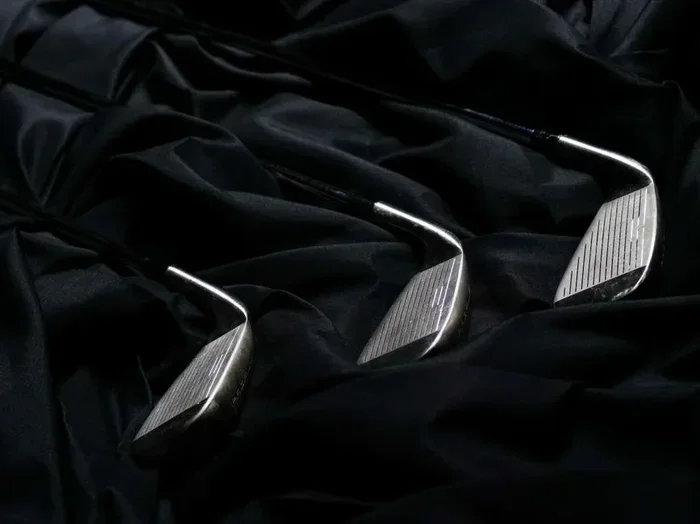
Irons are the workhorses of any golf bag. They cover a wide range of golf club yardage from long approaches to short pitches. Each iron number corresponds to a specific distance range. As the number goes up, the distance goes down.
Here is a general breakdown of iron distance ranges for the average male golfer:
| Club | Typical Yardage (Men) | Typical Yardage (Women) |
|---|---|---|
| 2-Iron | 170 to 190 yards | 130 to 150 yards |
| 3-Iron | 160 to 180 yards | 120 to 140 yards |
| 4-Iron | 150 to 170 yards | 110 to 130 yards |
| 5-Iron | 140 to 160 yards | 100 to 120 yards |
| 6-Iron | 130 to 150 yards | 90 to 110 yards |
| 7-Iron | 120 to 140 yards | 80 to 100 yards |
| 8-Iron | 110 to 130 yards | 70 to 90 yards |
| 9-Iron | 100 to 120 yards | 60 to 80 yards |
These numbers represent carry distance, which is how far the ball travels through the air. Total distance includes the ground roll and is usually 10 to 20 yards more. Your actual distances will vary based on your swing speed and technique.
Why Irons Are the Most Important Distance Clubs
Most shots during a round are iron shots. The average distance for golf clubs in the iron category makes up the bulk of your approach shots to the green. Getting your iron distances dialed in can dramatically improve your scoring. When you know exactly how far each iron goes, you can pick the right one with confidence.
Expert Insight: Many amateur golfers overestimate their iron distances. They think their 7-iron goes 150 yards, but it really only goes 135. Getting fitted or using a launch monitor can reveal your true numbers. This knowledge transforms your course management and helps you avoid trouble.
Fairway Woods and Hybrid Club Distances
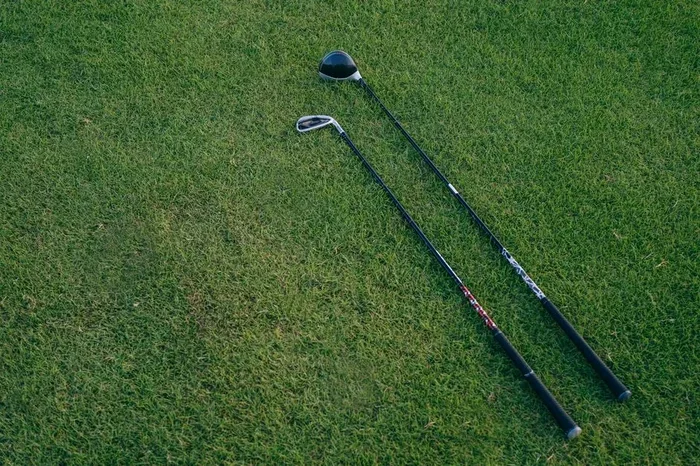
Fairway wood distance fills the gap between your driver and your long irons. A 3-wood typically carries 180 to 210 yards for the average male golfer. A 5-wood reaches about 170 to 190 yards. These clubs are great for long approach shots and off the tee on tight holes.
Hybrid club distance has become very popular in recent years. Hybrids replace long irons and offer easier launch conditions. A 3-hybrid often travels 170 to 190 yards. A 4-hybrid covers 160 to 175 yards. Many players find hybrids more forgiving than traditional long irons.
Woods vs. Hybrids: Which Goes Farther?
The answer depends on your swing and skill level. Wood golf club distance tends to be slightly longer because of the lower loft and larger clubhead. But hybrids are easier to get airborne, which can actually help you hit farther if you struggle with launching long irons.
Common Mistakes: Some golfers carry too many long clubs and not enough short irons. They try to hit a 3-wood from everywhere. The smarter move is to know your golf club carry distance for each wood and hybrid and use them only when they fit the shot.
- Use your 3-wood on holes where you need 180 to 210 yards of carry.
- Reach for a hybrid when you need 160 to 190 yards and want a high, soft landing.
- Avoid using woods from tight lies or thick rough unless you are confident.
Quick Tip: If your hybrid goes the same distance as your 4-iron, consider dropping the 4-iron from your bag. Carrying fewer clubs with overlapping distances simplifies your decisions and speeds up your game.
Wedge and Short Game Yardage
Wedge distances are all about precision, not power. These short clubs cover the last 130 yards of approach shots and the shots around the green. The average distance for golf clubs in the wedge category varies by wedge type and loft angle.
Here is a typical wedge distance breakdown:
- pitching wedge: 100 to 120 yards
- gap wedge: 80 to 100 yards
- sand wedge: 60 to 80 yards
- lob wedge: 40 to 60 yards
Women’s wedge distances are typically 10 to 20 yards shorter across all wedge types. The key with wedges is control. You want to land the ball softly and stop it quickly on the green. Full swings with wedges require a delicate touch that comes with practice.
Why Short Game Distance Matters
The short game accounts for a huge portion of your strokes around the course. Players who master wedge distances save many shots per round. Approach shot distance with your wedges should be precise. Even five yards can mean the difference between a birdie putt and a bunker shot.
Expert Insight: Tour players spend hours practicing their wedge distances. They know exactly how far they hit each wedge with a full swing and a half swing. You can do the same at your local range. Spend 15 minutes before each round hitting different wedge shots at various distances.
Factors That Affect Your Golf Club Distances
No two golfers hit the same club the same distance. Many factors influence golf club distances. Understanding these factors helps you interpret your own numbers more accurately. It also helps you set realistic expectations for your golf performance.
Swing Speed and Clubhead Speed
Swing speed is the number one driver of distance. Faster swings create more energy transfer to the golf ball. The average male amateur swings a driver at about 90 to 100 miles per hour. Elite amateurs and LPGA pros swing at 100 to 115 miles per hour. PGA Tour professionals exceed 115 miles per hour.
If you want to increase your golf ball distance, improving your swing speed should be a priority. Strength training, flexibility work, and proper technique all contribute to faster clubhead speed. But never sacrifice accuracy for distance. A controlled 200-yard drive is better than a wild 240-yard one.
Launch Angle and Spin Rate
Launch angle refers to the angle at which the ball leaves the clubface. A higher launch angle generally produces more carry distance for slower swing speeds. Spin rate affects how high the ball flies and how much it rolls after landing.
Modern golf club technology has made it easier to optimize these numbers. Adjustable drivers allow you to change loft and lie angle. Custom shaft options let you fine-tune flex and weight. A professional club fitting can unlock significant distance gains by matching your equipment to your swing.
Weather and Course Conditions
Do not ignore the conditions around you. Wind can add or subtract 20 or more yards from your shots. Cold air is denser and reduces golf ball distance by a few yards. Altitude also matters. At high elevations, the thinner air allows the ball to fly farther. Humidity has a small positive effect on distance as well.
Quick Tip: On windy days, club down by one or two clubs. The ball will fly lower and more predictably. On hot days at high altitude, expect a few extra yards with every club in your bag.
How to Find Your Personal Club Distances
General averages are helpful, but your personal numbers matter most. Finding your actual golf club distances takes a bit of effort, but the payoff is huge. Here are the best ways to measure your yardage:
- Visit a driving range with distance markers. Hit each club and note where the ball lands.
- Use a launch monitor. Devices like TrackMan or FlightScope give you precise carry and total distance data.
- Play rounds and track your stats. Note which clubs you use on approach shots and how far you hit them.
- Get a professional club fitting. A fitter can measure your distances with advanced technology and recommend the right clubs.
Once you know your personal distances, create a golf club yardage chart for yourself. Keep it in your bag or on your phone. Refer to it during rounds until the numbers become second nature. Over time, club selection will feel natural and automatic.
Common Mistakes: Many golfers rely on the distance numbers printed on the club shaft. Those are generic estimates and rarely match your actual distances. Always test your own numbers and trust what you see on the course, not what the manufacturer says.
Quick Tips to Improve Your Club Distances
Want to add yards to your average distance for golf clubs? Here are some practical tips that work for players of all levels:
- Focus on balance and tempo. A smooth, balanced swing generates more consistent distance than a fast, rushed one.
- Strengthen your core muscles. A stronger core transfers more power from your body to the club.
- Get properly fitted. The right shaft flex, club length, and grip size can add 10 to 20 yards.
- Practice with purpose. Hit each club with intent. Know the target distance before every shot.
- Use a launch monitor regularly. Tracking your data over time shows progress and highlights areas for improvement.
- Keep your equipment in good condition. Old, worn-out clubfaces reduce golf ball distance significantly.
Expert Insight: The biggest distance gains come from improving your technique, not buying new clubs. Work on your swing fundamentals first. Then invest in equipment that matches your improved game. This approach saves money and delivers real results.
Conclusion
The average distance for golf clubs depends on many factors, but understanding typical yardage ranges gives you a strong foundation. From driver to putter, each club in your bag has a role and a distance range you should know by heart. Use this guide to benchmark your own numbers and set goals for improvement.
Remember that distance is not everything. Accuracy and club selection matter just as much. The best golfers know their distances and trust their club choices. You can do the same. Start by finding your real numbers, then build your game around them. With practice and smart decisions, you will see your golf performance improve in no time.
Grab your clubs, head to the range, and start measuring. Your journey to better distance starts with a single swing. Make it count.
Frequently Asked Questions
What is the average distance for a golf driver?
The average driver distance for amateur men is between 200 and 230 yards. Professional golfers typically hit their drivers over 280 yards. Women generally average 150 to 200 yards with a driver. Your swing speed and technique are the biggest factors that determine your personal driver distance.
How far should I hit my 7-iron?
For the average male golfer, a 7-iron carries about 120 to 140 yards. Women typically hit their 7-iron 80 to 100 yards. These numbers vary based on swing speed, club fit, and playing conditions. The best way to know your 7-iron distance is to measure it at a range or with a launch monitor.
Does swing speed really affect golf club distances?
Yes, swing speed is the single biggest factor in how far you hit each club. Faster swings produce more energy and more golf ball distance. Even small increases in clubhead speed can add noticeable yards. However, proper technique and solid contact matter just as much as raw speed.
What is the difference between carry distance and total distance?
Carry distance is how far the ball flies through the air. Total distance includes the roll after the ball lands. For example, a club might carry 150 yards but roll an additional 15 yards for a total of 165 yards. When choosing clubs, focus on carry distance for accuracy and total distance for rough or tight fairways.
Can club fitting really add distance to my game?
Absolutely. A professional club fitting can optimize your equipment for your swing. The right shaft flex, loft, and club length can add 10 to 20 yards or more. Many amateur golfers play with clubs that do not match their swing characteristics. Getting fitted is one of the best investments you can make for your golf performance.
How can I improve my wedge distances?
The best way to improve wedge distances is to practice with purpose at the range. Hit full swings, half swings, and quarter swings with each wedge. Note where the ball lands and build a personal distance chart. Wedge distance control is a skill that separates good golfers from great ones, so spend extra time developing it.