Best 60 Degree Golf Wedge For Better Scoring Results
The right 60 degree golf wedge can transform your short game and lower your scores dramatically. This guide covers top-rated models, key features like bounce angle and wedge grind, and practical tips to help you choose the best 60 degree wedge for your game. Whether you are a beginner or a seasoned golfer, you will find actionable advice to improve your approach shots, bunker play, and overall golf scoring.
A 60 degree golf wedge is one of the most exciting clubs in your bag. It is the club you reach for when you need to hit a high, soft shot that drops quickly onto the green and stops near the pin. For many golfers, the 60 degree wedge is the difference between a solid par and a disappointing bogey. If you have ever watched a tour player land a ball softly on the green from just off the fringe, chances are they used a lob wedge like this one. In this guide, we will walk you through everything you need to know about picking the best 60 degree wedge for better scoring results.
Short game mastery is what separates good golfers from great ones. Your pitching wedge and gap wedge handle longer approach shots, but the 60 degree wedge owns the territory from 30 to 80 yards. This is where most strokes are won or lost. A well-chosen scoring wedge gives you confidence, control, and consistency when it matters most. Let us dive into what makes a great 60 degree wedge and how you can find the perfect one for your game.
Key Takeaways
- Choose the right loft and bounce: A 60 degree wedge gives you high trajectory and soft landings, but the bounce angle matters just as much for different course conditions.
- Top brands deliver quality: Brands like Titleist, Cleveland, Callaway, and Mizuno offer standout 60 degree wedge options for every budget and skill level.
- Groove design affects spin control: Sharp, well-maintained grooves are essential for generating the backspin that makes scoring wedges so effective around the greens.
- Grind options change shot versatility: Different wedge grinds allow you to open or close the face, giving you more creative shot options from tight lies and bunkers.
- Practice makes perfect: Even the best 60 degree golf wedge will not help if you do not practice your short game and learn proper distance control.
- Avoid common mistakes: Using the wrong bounce, neglecting wedge maintenance, and poor setup position can all ruin your wedge game.
📑 Table of Contents
- What Is a 60 Degree Golf Wedge?
- Why the 60 Degree Wedge Matters for Scoring
- Top 60 Degree Golf Wedges Reviewed
- Key Features to Look For in a 60 Degree Wedge
- How to Choose the Right 60 Degree Wedge for Your Game
- Tips for Using Your 60 Degree Wedge Effectively
- Common Mistakes to Avoid With a 60 Degree Wedge
- Expert Insights on 60 Degree Wedge Selection
- Key Takeaways
- Conclusion
What Is a 60 Degree Golf Wedge?
A 60 degree wedge is a type of lob wedge with a loft angle of 60 degrees. It is the highest-lofted club in most standard golf wedge setups. The high loft launches the ball on a steep trajectory, producing a high arc that drops the ball quickly with minimal roll. This makes it ideal for shots over hazards, bunkers, and tight spots around the green.
Most golfers carry a full set of wedges including a pitching wedge (44-48 degrees), a gap wedge (50-54 degrees), a sand wedge (54-58 degrees), and the lob wedge at 58-60 degrees. The 60 degree wedge sits at the top of this progression. It fills the gap between your sand wedge and the putter for those delicate short game shots where precision matters more than distance.
The wedge loft directly affects how high the ball flies and how much spin it generates. A higher loft means a steeper angle of descent and more backspin. This is why the 60 degree wedge is so popular for golf scoring around the greens. It gives you the ability to land the ball softly and let it stick close to where it lands.
Why the 60 Degree Wedge Matters for Scoring
The Short Game Scoring Zone
Golf statistics show that most amateur golfers lose strokes within 100 yards of the hole. This is the scoring zone, and the 60 degree wedge is your primary weapon here. When you are 40 to 80 yards from the green, you need a club that can clear obstacles and land the ball softly. A full swing with a pitching wedge might not get the height you need, and a sand wedge might not carry the ball far enough.
The 60 degree wedge bridges this gap perfectly. It allows you to make a full or three-quarter swing with confidence. The ball flights high, lands soft, and stops quickly. This means fewer putts and lower scores. For golfers with a higher golf handicap, having a reliable lob wedge can be a game changer that builds confidence around the greens.
Bunker Shots and Flop Shots
One of the most valuable uses of a 60 degree wedge is the bunker shot. The high loft helps you get the ball out of the sand quickly with a soft landing. The steep angle of attack slides the club under the ball and launches it on a high arc. When you need to carry the ball over a bunker lip or a tall fringe, the lob wedge is the go-to club.
The famous flop shot also relies heavily on the 60 degree wedge. This shot opens the clubface to maximize loft and spin. It is a creative shot that can save par from difficult lies. However, it requires practice and confidence. The right wedge grind makes flop shots easier because it allows the leading edge to sit lower relative to the trailing edge, preventing the club from digging too deep into the turf.
Top 60 Degree Golf Wedges Reviewed
Not all 60 degree wedges are created equal. Different brands use different materials, groove designs, and grind options that affect performance. Here are some of the best options available for golfers looking to improve their short game.
Titleist Vokey SM8 60 Degree Wedge
The Titleist Vokey SM8 is widely regarded as one of the best 60 degree wedges on the market. It features a Tour-proven design with precise groove patterns that generate excellent spin control. The wedge grind options are extensive, giving you the ability to customize the club to your playing style. The CNC milled face ensures consistent groove sharpness across all units. This wedge is a favorite among low handicap players and professionals who demand precision.
Cleveland RTX Zip Core 60 Degree Wedge
The Cleveland RTX Zip Core offers incredible value for golfers who want high performance without breaking the bank. The Zip Core technology shifts weight to the perimeter for a higher moment of inertia, which helps with forgiveness on mishits. The groove design on the Cleveland RTX generates strong backspin for soft landings. This golf wedge is an excellent choice for mid-handicap players who want reliable scoring wedge performance from a trusted brand.
Callaway Jaws MD6 60 Degree Wedge
Callaway’s Jaws MD6 series features a distinctive jaw-like design that looks as good as it performs. The wedge grind options include the Jawn, which is specifically designed for opening the face around the green. The grooves are milled to exact specifications for optimal spin control. The multi-material construction includes a tungsten weight that lowers the center of gravity for a higher launch. This makes the Jaws MD6 a great choice for golfers who play from tight lies and need versatility.
Mizuno BC-12 60 Degree Wedge
Mizuno is known for precision craftsmanship, and the BC-12 series lives up to that reputation. The 60 degree wedge in this line features a thin face that produces excellent feel and feedback. The groove pattern is designed to maximize spin even in wet conditions. Mizuno offers several bounce angle options, making it easy to find the right fit for your swing and course conditions. This wedge is ideal for players who value feel and workability in their golf club selection.
TaylorMade Hi-Toe Full Face 60 Degree Wedge
TaylorMade’s Hi-Toe design extends the hitting area across the entire face, which increases the sweet spot and makes it more forgiving. The full-face groove pattern ensures consistent spin control even on off-center strikes. This wedge is a solid option for higher handicap players who want a reliable scoring wedge that does not punish mistakes. The aggressive groove design helps generate the backspin needed for quick stops on the green.
Key Features to Look For in a 60 Degree Wedge
Bounce Angle and Its Importance
The bounce angle is the angle between the leading edge and the lowest point of the sole. It is one of the most important specifications on a 60 degree wedge. Low bounce (4-6 degrees) works best for players who take shallow divots and play from tight lies. High bounce (10-14 degrees) suits players with steep angle attacks or those who frequently play from soft sand and fluffy rough.
Choosing the wrong bounce angle can cause the club to dig too deep into the turf or bounce off the ball. For bunker shots, higher bounce helps the club glide through the sand smoothly. For tight lies around the green, lower bounce allows the leading edge to get closer to the ball for cleaner contact. Many 60 degree wedges now offer adjustable bounce through different sole grinds, giving you more flexibility.
Groove Design and Spin Control
The grooves on your golf wedge are responsible for channeling debris away from the contact point and increasing friction between the clubface and the ball. Sharp, well-maintained grooves are essential for generating the spin control that makes a scoring wedge so effective. When grooves become worn or clogged with grass and dirt, your ability to stop the ball on the green decreases significantly.
Modern 60 degree wedges use advanced groove designs that go beyond simple U-shaped or V-shaped cuts. Many feature micro-grooves, angular grooves, or a combination of both. The Titleist Vokey SM8 uses a specific groove pattern that has been refined through years of testing on tour. When shopping for a 60 degree wedge, pay close attention to the groove design because it directly affects your ability to control golf scoring around the greens.
Wedge Grind and Sole Design
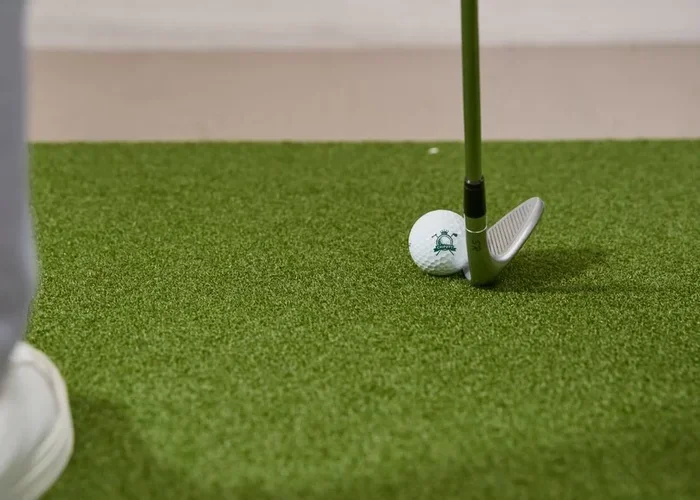
Wedge grind refers to the shaping of the sole of the club. Different grinds allow you to manipulate the face angle and sole interaction with the turf. A grind with more material removed from the sole makes it easier to open the face without the leading edge sitting too high. This is crucial for creative shots like the flop shot and the high lob from tight lies.
Common grind types include the C grind, S grind, and V grind, each offering different levels of sole relief. The wedge grind you choose should match your playing style and the types of lies you encounter most often. Golfers who play on firm courses with tight fairways may prefer a grind that allows the club to slide under the ball more easily. Those who play on softer courses may benefit from a grind that prevents the club from digging too deep.
Construction Material and Feel
60 degree wedges are typically made from soft carbon steel or stainless steel. Carbon steel offers a softer feel and better spin control but requires more maintenance to prevent rust. Stainless steel is more durable and resistant to corrosion but may feel slightly less responsive. The construction material affects the feedback you feel at impact and can influence your confidence when playing approach shots from short range.
Some premium golf wedges feature multi-material construction with tungsten weights added to the sole or head. These weights lower the center of gravity and increase the moment of inertia for greater forgiveness. When you are choosing a 60 degree wedge, consider how the material and construction affect the feel and performance you prefer.
How to Choose the Right 60 Degree Wedge for Your Game
Selecting the right 60 degree wedge depends on several factors including your skill level, swing style, and the types of courses you play. Here is a simple guide to help you make the best choice.
First, assess your short game strengths and weaknesses. If you struggle with bunker shots, look for a 60 degree wedge with higher bounce. If you play mostly on firm, fast greens, a lower bounce and more aggressive grind will serve you better. If you are a beginner or high handicap player, prioritize forgiveness and ease of use over workability.
Second, consider your existing wedge setup. You do not want a 60 degree wedge that overlaps too much with your sand wedge or gap wedge. Ideally, there should be a clear distance gap between each wedge. Most players benefit from having their wedges spaced 3-4 degrees apart, so a 60 degree wedge pairs well with a 56 degree sand wedge and a 52 degree gap wedge.
Third, set a budget. Premium 60 degree wedges from brands like Titleist and Mizuno can cost $150 or more, while excellent options from Cleveland and Callaway are available for $80-120. You do not need to spend a fortune to get a quality scoring wedge. Focus on finding a club that fits your game and offers the features you need most.
Finally, try before you buy if possible. Visit a local pro shop or driving range that has demo clubs. Swing different 60 degree wedges and pay attention to how each one feels, how high the ball flies, and how it lands on the green. The best golf club selection is one that feels natural in your hands and gives you confidence every time you pull it from your bag.
Tips for Using Your 60 Degree Wedge Effectively
Having the best 60 degree golf wedge is only half the battle. You also need to know how to use it properly. Here are some practical tips to help you get the most out of your lob wedge.
Focus on tempo and rhythm. The 60 degree wedge is not a club for power. Smooth, controlled swings produce the best results. Think of making a three-quarter swing with a full finish. This approach gives you better distance control and more consistent contact.
Practice different trajectory shots. Learn to hit the ball low, mid, and high with the same club. A low shot runs up to the green and is useful when there is wind or a tight pin position. A mid-trajectory shot is your standard approach. A high shot drops quickly and stops fast. Mastering these three trajectories gives you a complete short game toolkit.
Keep your wedges clean. Dirt and grass in the grooves reduce spin control significantly. Take a towel to the range and clean your 60 degree wedge after every few shots. Inspect the grooves regularly and replace the club if the grooves become worn smooth.
Practice from different lies. The best scoring wedge skills come from experience. Practice hitting from tight lies, fluffy rough, bunkers, and downhill lies. Each situation requires a slightly different technique, and the right wedge grind makes each shot easier to execute.
Develop a consistent pre-shot routine. Before every approach shot with your 60 degree wedge, take a moment to visualize the shot, set your feet, and commit to the swing. This mental routine improves consistency and builds confidence, especially when the pressure is on and golf scoring matters most.
Common Mistakes to Avoid With a 60 Degree Wedge
Even with the best equipment, golfers make mistakes that hurt their wedge game. Here are some common errors to watch out for.
One common mistake is using the wrong bounce angle for your conditions. A high bounce wedge on a tight lie will bounce off the turf and thin the ball. A low bounce wedge in deep sand will dig too deep and leave the ball in the bunker. Match your bounce angle to the conditions you play in most often.
Another mistake is neglecting wedge maintenance. Dirty grooves and worn surfaces reduce spin control over time. Clean your clubs after every round and replace wedges that have lost their groove sharpness. A worn 60 degree wedge will not perform like a new one, no matter how good it was when you bought it.
Many golfers also swing too hard with their lob wedge. The 60 degree wedge is designed for precision, not power. Trying to swing too hard leads to inconsistent contact and poor distance control. Focus on a smooth, balanced swing and let the club do the work.
Finally, avoid the mistake of not practicing enough with your 60 degree wedge. It is easy to spend all your practice time working on full swings with irons and drivers. But the short game is where strokes are saved. Dedicate at least 30 minutes of every practice session to wedge shots. Your golf handicap will thank you for it.
Expert Insights on 60 Degree Wedge Selection
Professional club fitters and teaching professionals agree that the 60 degree wedge is one of the most personal clubs in a golfer’s bag. What works for a tour player may not work for a weekend golfer. The key is finding a club that matches your swing characteristics and the conditions you play in.
Many experts recommend that amateur golfers get fitted for their wedge setup just as they would for their driver or irons. A professional fitting can help you find the right bounce angle, wedge grind, and shaft length for your swing. This small investment can lead to significant improvements in your short game and overall golf scoring.
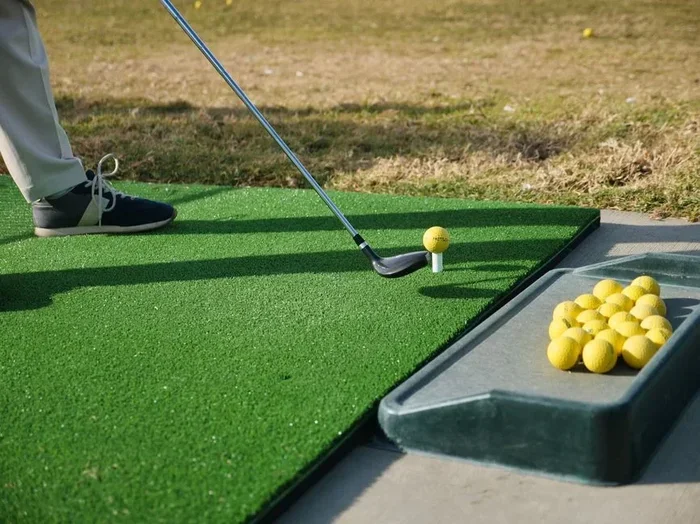
Experts also emphasize the importance of practicing with your 60 degree wedge under realistic conditions. Hitting range balls on a flat mat is helpful, but nothing replicates the experience of playing from a bunker, a tight lie, or a downhill slope around the green. Seek out practice opportunities that mimic real course situations so your skills translate when it matters most.
Key Takeaways
- Choose the right loft and bounce: A 60 degree wedge gives you high trajectory and soft landings, but the bounce angle matters just as much for different course conditions.
- Top brands deliver quality: Brands like Titleist, Cleveland, Callaway, and Mizuno offer standout 60 degree wedge options for every budget and skill level.
- Groove design affects spin control: Sharp, well-maintained grooves are essential for generating the backspin that makes scoring wedges so effective around the greens.
- Grind options change shot versatility: Different wedge grinds allow you to open or close the face, giving you more creative shot options from tight lies and bunkers.
- Practice makes perfect: Even the best 60 degree golf wedge will not help if you do not practice your short game and learn proper distance control.
- Avoid common mistakes: Using the wrong bounce, neglecting wedge maintenance, and poor setup position can all ruin your wedge game.
Conclusion
The best 60 degree golf wedge is the one that fits your game, your swing, and the conditions you play in. Whether you choose the Titleist Vokey SM8, the Cleveland RTX Zip Core, the Callaway Jaws MD6, the Mizuno BC-12, or the TaylorMade Hi-Toe, the most important thing is that you practice with it and build confidence. A 60 degree wedge is a powerful tool for improving your short game and lowering your scores around the greens.
Remember that no club can replace dedicated practice and smart course management. Use your scoring wedge wisely, focus on tempo and control, and take care of your equipment. With the right 60 degree wedge in your bag and the skills to use it effectively, you will see real improvement in your golf scoring. The path to better scores starts with the right club in your hands, and the 60 degree wedge might just be the club that makes the biggest difference.
Frequently Asked Questions
What is the difference between a 60 degree wedge and a 56 degree sand wedge?
The main difference is the wedge loft. A 60 degree lob wedge has 4 more degrees of loft than a 56 degree sand wedge, which means the ball flies higher and lands softer. The 60 degree wedge is better for high, soft shots that need to stop quickly, while the 56 degree wedge is more versatile for full swings and bunker play from longer distances.
How far should I hit a 60 degree wedge?
Most amateur golfers hit a 60 degree wedge between 60 and 80 yards with a full swing. However, distance varies based on swing speed, technique, and the specific club. It is important to know your own distances with each wedge. Practice at the range to build a personal distance chart for your scoring wedge so you can select the right club for every approach shot.
Does bounce angle really matter for a 60 degree wedge?
Yes, the bounce angle is critical. It determines how the sole of the club interacts with the turf and sand. Low bounce works best for firm conditions and tight lies, while high bounce is better for soft turf and bunkers. Choosing the right bounce angle for your playing conditions makes a big difference in your ability to make clean contact and control your golf scoring around the greens.
Can beginners benefit from using a 60 degree wedge?
Absolutely. Beginners can benefit greatly from a 60 degree wedge because it helps them hit higher, softer shots that are easier to control around the green. The key is to focus on developing a smooth swing and good distance control. A forgiving lob wedge with an appropriate bounce angle can help beginners build confidence in their short game early on.
How often should I replace my 60 degree wedge?
It depends on how often you play and how well you maintain your clubs. On average, a 60 degree wedge lasts between 2 and 5 years with regular play. The grooves will wear down over time, reducing spin control. If you notice the grooves becoming smooth or the face showing signs of wear, it is time to consider a replacement. Regular cleaning and proper storage can extend the life of your scoring wedge.
What is the best wedge grind for playing from tight lies?
For tight lies, a wedge grind with more sole relief works best. Grinds like the C grind or S grind remove material from the sole, allowing the leading edge to get closer to the ball without the sole bouncing off the turf. This gives you better control and cleaner contact when playing from firm, tight conditions around the green. Many top 60 degree wedge models offer multiple grind options to choose from.