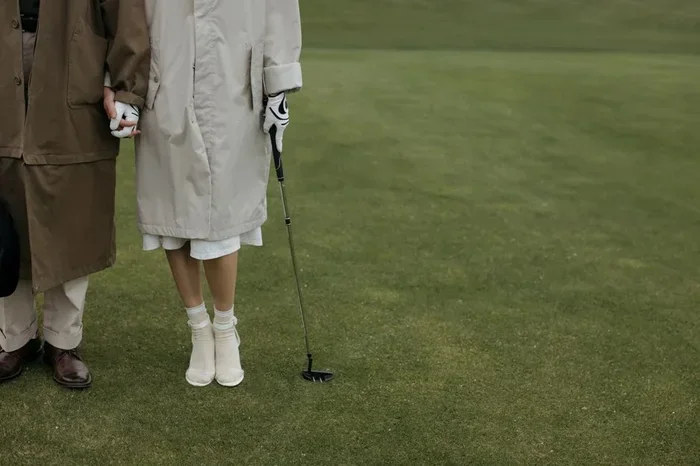
Cadet vs Regular Golf Glove Find Out Which Is Better
Choosing between a cadet vs regular golf glove comes down to hand shape, finger length, and palm width. A cadet glove features shorter fingers and a wider palm, making it ideal for golfers with shorter, wider hands. A regular glove suits those with longer, slimmer fingers and a narrower palm. Picking the wrong style can hurt your grip, comfort, and overall performance on the course.
You step up to the tee, grip your club, and swing. Everything feels smooth. But then you notice it. Your golf glove is bunching up around your fingers, or the palm feels loose and sloppy. That small discomfort can throw off your entire game. This is exactly why understanding the difference between a cadet vs regular golf glove matters so much.
Most golfers never think about glove sizing. They just grab whatever is on the shelf. But the truth is, your hand shape plays a huge role in how a glove feels and performs. A glove that fits well gives you better grip, more comfort, and fewer distractions during your swing. A glove that does not fit? It becomes a problem you carry every time you play.
In this guide, we break down everything you need to know. We compare cadet gloves and regular gloves side by side. We look at sizing, materials, fit, and who benefits from each style. By the end, you will know exactly which glove type works best for your hands. Let us get into it.
Key Takeaways
- Cadet gloves fit shorter, wider hands: They have shorter fingers and a broader palm for a snug, comfortable feel.
- Regular gloves fit longer, slimmer hands: Standard sizing works best for golfers with average finger length and a narrower palm.
- Hand measurement is key: Always measure your palm width and finger length before buying any golf glove.
- Wrong fit ruins your game: A glove that is too tight or too loose reduces grip strength and causes discomfort.
- Material matters too: Cabretta leather, synthetic, and hybrid gloves all offer different levels of breathability and durability.
- Try before you buy: When possible, test both cadet and regular gloves to see which feels better during a swing.
- Brand differences exist: Top brands like Titleist, Callaway, and FootJoy offer both cadet and regular options with unique features.
📑 Table of Contents
What Is a Cadet Golf Glove?
A cadet golf glove is designed for a specific hand shape. It features shorter fingers and a wider palm compared to a standard glove. This design helps the glove fit snugly on hands that are shorter in finger length but broader across the palm.
Who Should Wear a Cadet Glove?
Not every golfer needs a cadet glove. But if you have noticed regular gloves feel tight across your palm or your fingers feel cramped, a cadet style might be your answer. You are a good candidate for a cadet glove if:
- Your fingers are shorter than average
- Your palm is wider than your finger length suggests
- Regular gloves bunch up around your knuckles
- You feel tension in the palm area during your swing
- You have ever sized down in a regular glove to get a better palm fit
The cadet glove was created to solve a very common problem. Many golfers have hands that are proportionally wider and shorter. Standard glove sizing does not account for this shape well. The cadet design fixes that by adjusting the finger-to-palm ratio.
How Cadet Gloves Are Sized
Cadet gloves use a different sizing system than regular gloves. The size number refers to both the finger length and the palm width. For example, a cadet medium might have shorter fingers than a regular medium, but a wider palm. This is an important distinction that many golfers overlook.
When you look at a golf glove sizing chart, you will often see separate columns for cadet and regular sizes. Always check which column matches your hand shape. Measuring your hand correctly is the first step to finding the right fit.
What Is a Regular Golf Glove?
A regular golf glove is the standard glove found on most golf shop shelves. It is designed for hands with average finger length and a proportional palm width. The fingers and palm are balanced in a way that fits most golfers comfortably.
Who Should Wear a Regular Glove?
A regular glove works well for most golfers. If your hands have a typical proportion between finger length and palm width, you will likely do great in a regular glove. You are a good fit for a regular glove if:
- Your fingers and palm are in standard proportion
- Regular gloves feel snug but not tight
- You have average finger length for your hand size
- The glove wraps around your hand without bunching
- You do not feel pressure points across your palm
The regular glove has been the go-to choice for decades. It works for a wide range of hand shapes and sizes. Most major brands design their regular gloves to fit the majority of golfers. This is why you see regular gloves on virtually every tour player and weekend golfer.
Regular Glove Sizing Explained
Regular gloves are sized by hand length and palm circumference. Sizes typically range from small to extra large. Some brands also offer extra small or double extra large options. The key is to measure both your hand length and the width of your palm to find the correct size.
A properly fitted regular glove should feel like a second skin. It should not be too tight or too loose. Your fingers should reach the tip of the glove without excess material. The palm should wrap snugly without stretching.
Key Differences Between Cadet and Regular Golf Gloves
Understanding the differences between a cadet vs regular golf glove helps you make a smarter buying decision. Let us break down the main areas where these two glove types differ.
Finger Length
This is the most obvious difference. Cadet gloves have shorter fingers. Regular gloves have longer, more proportionate fingers. If you have ever worn a regular glove and felt extra fabric around your fingertips, your fingers may be too short for that size. A cadet glove eliminates that excess material.
Palm Width
Cadet gloves have a wider palm area. This is designed for golfers whose hands are broader relative to their finger length. Regular gloves have a narrower palm that suits hands with more balanced proportions. Wearing a regular glove on a wide palm can cause the glove to pull and stretch during your swing.
Fit and Comfort
Fit is where the two glove types really diverge. A cadet glove fits hands that are shorter and wider with precision. A regular glove fits hands that are longer and narrower with the same precision. Choosing the wrong type means sacrificing comfort, no matter what size you pick.
Grip and Performance
A well-fitted glove improves your grip on the club. When the glove fits properly, your hand connects more directly with the grip. This leads to better control, more consistent shots, and less slipping. A glove that does not fit well creates a barrier between your hand and the club. That barrier affects your performance in subtle but real ways.
Availability and Brands
Not all brands offer cadet sizes. However, most major brands do carry them. Let us look at a quick comparison of popular brands and their cadet and regular glove offerings.
| Brand | Cadet Available | Regular Available | Notable Feature |
|---|---|---|---|
| Titleist | Yes | Yes | Premium cabretta leather |
| Callaway | Yes | Yes | Synthetic and leather options |
| FootJoy | Yes | Yes | Wide range of sizes |
| Under Armour | Yes | Yes | Stretch synthetic materials |
| Mizuno | Yes | Yes | Lightweight and breathable |
| TaylorMade | Yes | Yes | Durable synthetic options |
As you can see, most top brands offer both cadet and regular options. This gives you the freedom to choose based on your hand shape, not just the brand you prefer.
How to Choose the Right Glove Size
Finding the right size is the most important step. A glove that is too small will restrict your hand movement. A glove that is too big will flop around and reduce your grip. Here is how to get it right.
Step 1: Measure Your Hand
Grab a ruler or measuring tape. Measure from the base of your palm to the tip of your middle finger. This gives you your hand length. Then measure across the widest part of your palm. This gives you your palm width.
Write both numbers down. Now compare them to a golf glove sizing chart. If your palm width is significantly wider than what a regular size would suggest, consider trying a cadet size instead.
Step 2: Consider Your Hand Shape
Hand shape matters just as much as measurements. Some people have long fingers but a narrow palm. Others have short fingers and a wide palm. Think about which description fits your hand better. This simple check can guide you toward the right glove type.
Step 3: Try Both Styles
If you have access to a golf store, try on both a cadet and a regular glove in your size. Wear them for a few minutes. Make a few fist movements. Notice which one feels more natural. The glove that feels like it was made for your hand is the one you should buy.
Step 4: Check the Fit Before You Buy
When shopping online, check the brand’s specific size chart. Each brand has slightly different measurements. What fits as a medium in one brand might not fit the same way in another. Always refer to the manufacturer’s guide for the most accurate fit.
Quick Tip: Golf gloves fit slightly different depending on the material. Leather gloves tend to stretch and mold to your hand over time. Synthetic gloves offer a more consistent fit from day one. Keep this in mind when choosing between materials.
Common Mistakes When Choosing a Golf Glove
Even experienced golfers make mistakes when picking a glove. Here are some common errors to avoid.
Choosing Based on Price Alone
A higher price does not always mean a better fit. The most expensive glove in the store might not be the right glove for your hand shape. Focus on fit first, then consider price and brand.
Ignoring Hand Shape
Many golfers buy a regular glove simply because it is the default option. They do not consider whether their hand shape would benefit from a cadet design. This is one of the most common and easily avoidable mistakes.
Not Replacing Worn Gloves
A worn-out glove loses its grip and shape. Even if you have the right size and style, an old glove will not perform well. Replace your glove when you notice wear, thinning material, or loss of grip.
Buying the Wrong Size to Save Money
Some golfers size down to make a glove tighter, or size up to make it looser. Both approaches hurt your game. A proper fit is always better than a compromise size.
Overlooking the Dominant Hand
Remember to buy a glove for your dominant hand. Right-handed golfers wear a glove on their left hand. Left-handed golfers wear a glove on their right hand. Some brands offer cadet sizes for only one hand, so double-check before ordering.
Expert Tips for Getting the Best Fit
Professional club fitters and golf coaches agree on a few key points when it comes to glove fit. Here is what the experts recommend.
Always try gloves on with your club. Grip the club while wearing the glove. This tells you immediately if the fit is right. If your hand shifts inside the glove during the grip, it is too big. If your fingers feel pressed against the material, it is too small.
Consider the weather you play in. In hot and humid conditions, you want a breathable glove. Synthetic and perforated leather gloves work well in warm weather. In cooler weather, a thicker cabretta leather glove provides more warmth and durability.
Do not ignore the wrist closure. The wrist strap or closure system helps secure the glove around your hand. A good closure system prevents the glove from shifting during your swing. Make sure the closure fits comfortably without cutting off circulation.
Buy a backup glove. Even the best glove will wear out over time. Having a backup ensures you are never stuck with an ill-fitting or worn-out glove on game day. Many golfers keep two gloves in rotation to extend their lifespan.
Conclusion
The debate between a cadet vs regular golf glove comes down to one simple truth: fit matters. Your hand shape is unique, and your glove should match it. A cadet glove is the better choice for golfers with shorter, wider hands. A regular glove works best for those with more proportional hand dimensions.
Take the time to measure your hand properly. Try on both styles if you can. Choose a glove that feels comfortable, supports your grip, and lets you focus on your game. The right glove is a small investment that pays big dividends every time you step onto the course.
Do not let a poorly fitting glove hold back your performance. Whether you choose a cadet or regular glove, the most important thing is that it fits your hand perfectly. Now go out there and enjoy your game.
Frequently Asked Questions
What is the main difference between a cadet and regular golf glove?
The main difference is the finger length and palm width. A cadet glove has shorter fingers and a wider palm, designed for hands that are shorter and broader. A regular glove has longer fingers and a narrower palm, fitting hands with standard proportions.
How do I know if I need a cadet golf glove?
If regular gloves feel tight across your palm or your fingers feel cramped, you may need a cadet glove. Measure your palm width and finger length, and compare them to a sizing chart. If your palm is wider relative to your finger length, a cadet glove is likely the better choice.
Can I wear a regular glove if I have wide hands?
You can, but it may not feel as comfortable. Regular gloves are designed for hands with balanced proportions. If your hands are wide but your fingers are average length, a cadet glove will likely provide a much better fit and feel.
Do all golf glove brands offer cadet sizes?
Most major brands like Titleist, Callaway, FootJoy, and Under Armour offer cadet sizes. However, not every brand carries them in all styles or materials. Always check the brand’s website or product lineup before purchasing.
Are cadet golf gloves more expensive than regular gloves?
No, cadet gloves are typically priced the same as regular gloves in the same brand and material tier. The difference is purely in the sizing and cut, not in the cost.
Should I size up or down in a cadet glove?
Follow the brand’s specific cadet sizing chart. Do not size up or down based on regular glove sizing. Cadet sizing uses a different measurement system that accounts for the wider palm and shorter finger proportions.