Artificial Turf Golf Putting Green Guide You Will Love
An artificial turf golf putting green brings the course to your backyard with minimal upkeep. You will learn how to choose the right turf, install it properly, and maintain your synthetic putting surface for years of practice.
Key Takeaways
- Artificial turf putting greens save time and money compared to natural grass.
- The right synthetic putting surface improves your golf putting practice at home.
- Proper installation and maintenance keep your backyard putting green looking great.
- You can build a home golf course setup without a huge budget.
- Using the right golf tees and grip technique makes a big difference on synthetic turf.
📑 Table of Contents
- Why an Artificial Turf Golf Putting Green Is a Game Changer
- Benefits of a Synthetic Putting Green at Home
- How to Choose the Right Artificial Turf for Your Putting Green
- Installation Tips for Your Backyard Putting Green
- Best Practices for Maintaining Your Turf Putting Green
- Common Mistakes to Avoid When Building a Putting Green
- How to Improve Your Putting on Artificial Turf
- Conclusion
Why an Artificial Turf Golf Putting Green Is a Game Changer
If you love golf, you know how hard it is to find time to practice. Going to the range or a course takes effort. An artificial turf golf putting green solves that problem. You can practice your putting stroke anytime, right in your own yard.
Synthetic putting surfaces have come a long way. They look real, feel real, and roll true. Many backyard putting green setups today rival what you find on professional courses. The best part? You do not need to mow, water, or worry about brown spots.
More golfers are turning to synthetic grass golf options for their home practice areas. Whether you live in a small apartment or have a large yard, there is a setup that works for you. This guide covers everything you need to know to get started.
What Makes a Great Putting Surface?
A good putting green roll depends on the turf you choose. Not all synthetic grass is the same. Some fibers are too long, which slows the ball down. Others are too short, making the surface feel harsh. The best turf putting surface mimics natural grass height and texture.
Look for turf with short pile height, usually around 5 to 8 millimeters. The fibers should be dense and uniform. This creates a smooth, consistent surface that lets your ball roll true every time. Quality artificial grass golf products also include a padded backing for better ball speed control.
Benefits of a Synthetic Putting Green at Home
There are many reasons to install an artificial turf golf putting green in your space. Here is why so many golfers are making the switch.
Year-Round Practice
Rain, snow, or heat, you can practice anytime. Your indoor putting green or outdoor setup works in every season. This means more reps, faster improvement, and better golf putting accuracy on the course.
Low Maintenance
Natural grass putting greens need mowing, watering, fertilizing, and aerating. A synthetic surface needs almost none of that. Just brush it off and rinse it occasionally. You save hours of work every week.
Cost Effective Over Time
While the upfront cost of a putting green kit may seem high, you save money over the years. No green fees, no watering bills, no lawn care products. Your home golf course pays for itself fast.
Customizable Setup
You can design your backyard putting green with slopes, breaks, and contours. This lets you practice different golf putting drills that mimic real course conditions. You can even add bunkers or obstacles for a fun challenge.
Quick Tips for Maximizing Your Practice Time
- Set a daily practice routine, even if it is just 15 minutes.
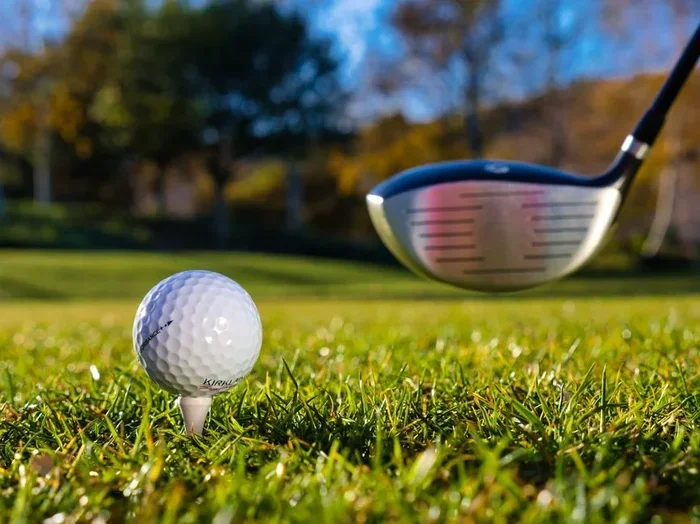
- Use 1 5 Inch Golf Tees for short putts and chip shots.
- Use 2 75 Inch Golf Tees for longer approach shots on your turf.
- Track your progress by counting makes and misses.
- Practice different distances to build feel and touch.
How to Choose the Right Artificial Turf for Your Putting Green
Not all synthetic turf is built for putting. Choosing the right product makes a huge difference in how your green performs. Here is what to look for.
Fiber Type
Most quality synthetic putting surfaces use nylon or polyethylene fibers. Nylon is durable and holds its shape well. Polyethylene feels softer and provides a more natural roll. Many golf practice green setups use a blend of both for the best results.
Pile Height
For putting, shorter is better. A pile height of 5 to 8 mm gives the ball a smooth roll. Longer turf is better for chipping areas or rough sections around your green.
Face Weight
Face weight measures how much fiber is in the turf. Higher face weight means a denser, more durable surface. Look for at least 50 ounces per square yard for a long-lasting putting green roll.
Infill Material
Some turf grass putting products use sand or rubber infill. Infill helps the fibers stand upright and adds stability. For putting greens, a non-abrasive infill is best so it does not interfere with ball speed.
Comparison: Natural Grass vs. Artificial Turf Putting Green
| Feature | Natural Grass | Artificial Turf |
|---|---|---|
| Maintenance | High | Very Low |
| Year-Round Use | No | Yes |
| Upfront Cost | Low | Medium to High |
| Long-Term Cost | High | Low |
| Ball Roll Consistency | Varies | Very Consistent |
| Water Usage | High | None |
Installation Tips for Your Backyard Putting Green
Installing your own artificial turf golf putting green is easier than most people think. You do not need to be a professional. With the right tools and a bit of patience, you can have a great setup in a weekend.
Step 1: Plan Your Layout
Start by sketching your putting green design. Think about the size of your space and the features you want. Add contours and slopes that simulate real course greens. A simple design works great for beginners.
Step 2: Prepare the Base
Clear the area of grass and debris. Level the ground and add a layer of crushed stone or gravel for drainage. Compact it firmly. A stable base prevents the turf from shifting over time.
Step 3: Lay the Turf
Roll out your synthetic grass golf piece by piece. Trim edges cleanly and join sections with turf tape. Make sure the seams are tight so the ball does not catch on ridges.
Step 4: Add Infill and Brush
Spread infill evenly across the surface. Use a power broom to stand the fibers upright. This step is key for getting a smooth, true putting green roll.
Tools You Will Need
- Shovel and rake
- Crushed stone or decomposed granite
- Turf adhesive and seam tape
- Power broom or stiff brush
- Measuring tape and stakes
- Knee kicker or turf roller
Best Practices for Maintaining Your Turf Putting Green
One of the biggest advantages of an artificial turf golf putting green is how little upkeep it needs. But a little care goes a long way in keeping it performance-ready.
Brush Regularly
Use a stiff brush to keep the fibers standing upright. This maintains a consistent putting green roll and prevents matting. Do this at least once a week.
Rinse Off Debris
Leaves, dirt, and small debris can pile up. Hose down your backyard putting green every few days. This keeps the surface clean and prevents build-up that could affect ball speed.
Check Seams and Edges
Over time, seams can loosen. Check them monthly and reapply adhesive if needed. Keeping edges tight prevents tripping hazards and keeps your golf practice green looking sharp.
Remove Stains Promptly
If something spills on your turf, clean it right away. Most stains come out with water and mild soap. Avoid harsh chemicals that could damage the synthetic fibers.
Expert Insights on Turf Longevity
Quality synthetic putting surface materials can last 10 to 15 years with proper care. The key is to protect the turf from excessive heat and heavy objects. If you live in a hot climate, consider a UV-resistant turf product. This prevents fading and keeps your home golf course looking fresh.
Common Mistakes to Avoid When Building a Putting Green
Even with the best plans, mistakes can happen. Here are the most common ones and how to avoid them.
Skipping Drainage
Water needs somewhere to go. If you do not build a proper base with drainage, your turf grass putting surface will hold water and become soggy. Always use a gravel base and slope the surface slightly.
Choosing the Wrong Turf
Not all synthetic grass works for putting. Avoid turf meant for landscaping or pets. Look for products specifically designed for golf practice green use. These have the right fiber length and density for a true roll.
Ignoring the Slope
A flat green is boring and unrealistic. Add subtle slopes and breaks to your backyard putting green. This helps you practice reading greens, which is one of the most important golf putting tips you can learn.
Using the Wrong Golf Balls
Soft-cover balls work best on synthetic turf. Hard balls can damage the fibers over time. Use a ball that matches your golf putting practice needs and keeps your turf in good shape.
Neglecting the Surrounding Area
The area around your green matters too. Keep it clean and level. Uneven ground around the edges can cause the turf to buckle or shift. A well-prepared surrounding area makes your whole setup look and perform better.
How to Improve Your Putting on Artificial Turf
Having a great artificial turf golf putting green is only half the battle. You also need the right technique to improve your game.
Work on Your Grip
A solid 10 Finger Grip In Golf gives you more control on the greens. Practice holding the putter with both hands working together. This grip is popular among beginners and pros alike for its stability.
Practice Distance Control
Set up targets at different distances on your synthetic grass golf surface. Start close and work your way back. Focus on smooth tempo rather than power. Distance control is what separates good putters from great ones.
Read the Breaks
Use the slopes on your putting green kit to practice reading breaks. Watch how the ball curves and learn to aim accordingly. This skill translates directly to real greens on the course.
Build a Routine
Great putters have a pre-putt routine. Take the same number of practice strokes. Stand in the same spot. Visualize the line. A consistent routine builds confidence and muscle memory for your golf putting drills.
Conclusion
An artificial turf golf putting green is one of the best investments a golfer can make. It gives you a personal golf practice green that works in every season, requires minimal care, and helps you sharpen your skills at home. From choosing the right synthetic putting surface to maintaining it properly, this guide has covered everything you need to know.
Start small if you are new to this. A simple setup can teach you a lot about golf putting accuracy and feel. As you improve, you can expand your home golf course with more features and challenges. The most important step is to get started. Your next great round on the course could begin right in your own backyard.
Frequently Asked Questions
What is the best artificial turf for a golf putting green?
Nylon or polyethylene turf with a short pile height of 5 to 8 mm works best. Look for products designed specifically for golf practice green use to get the truest ball roll.
How much does it cost to install a backyard putting green?
A DIY putting green kit can range from a few hundred to a few thousand dollars depending on size and quality. Professional installation costs more but saves you time and effort.
Can I use my artificial putting green year-round?
Yes, one of the biggest benefits of a synthetic putting surface is year-round use. It handles rain, heat, and cold without damage or performance loss.
How do I clean my artificial turf putting green?
Rinse it with water every few days to remove debris. Brush the fibers weekly to keep them upright. Spot-clean stains with water and mild soap right away.
Does artificial turf affect ball speed compared to natural grass?
Quality artificial grass golf products provide a consistent and often faster ball roll than natural grass. The key is choosing the right turf and keeping it well-maintained.
Can I build an indoor putting green with artificial turf?
Absolutely. Many golfers set up a small indoor putting green in a garage or spare room. Just make sure you have enough space and a flat, stable surface for the best results.