Tennis Elbow vs Golf Elbow Key Differences Explained
Tennis elbow and golf elbow are two common overuse injuries that affect the elbow in different ways. Tennis elbow causes pain on the outer side of the elbow, while golf elbow affects the inner side. Understanding the difference between tennis elbow and golf elbow helps you get the right treatment faster. Both conditions stem from repetitive gripping and wrist movements. Early recognition leads to quicker recovery and less downtime.
Tennis elbow and golf elbow are two of the most common elbow injuries athletes and active people face every day. Many people assume these conditions only affect players of those specific sports, but the truth is far broader. Anyone who repeats the same wrist and arm motions can develop one or both of these painful conditions.
The difference between tennis elbow and golf elbow comes down to which side of the elbow hurts, what causes it, and how it responds to treatment. Tennis elbow affects the outer part of the elbow, while golf elbow targets the inner side. Both involve inflammation of the tendons, but they impact different muscle groups and require different approaches to healing.
In this article, we break down everything you need to know about these two conditions. You will learn how to identify which one you have, what causes them, and the best ways to treat and prevent them. Whether you are a weekend golfer, a tennis player, or someone who just wants to stop elbow pain, this guide has you covered.
Understanding these conditions early can save you weeks of discomfort and keep you doing the activities you love. Let us dive into the details.
Key Takeaways
- Different Locations: Tennis elbow hurts the outer elbow, while golf elbow causes pain on the inner side.
- Different Causes: Tennis elbow comes from wrist extension motions, and golf elbow results from wrist flexion and gripping.
- Anyone Can Get Them: These conditions are not limited to athletes. Plumbers, painters, and office workers are also at risk.
- Non-Surgical Treatment Works: Rest, ice, physical therapy, and bracing resolve most cases within 6 to 12 months.
- Prevention Is Possible: Proper warm-ups, strengthening exercises, and good technique reduce your risk significantly.
- Early Action Matters: Catching symptoms early prevents chronic pain and speeds up your recovery time.
📑 Table of Contents
What Is Tennis Elbow?
Tennis elbow is the common name for a condition called lateral epicondylitis. It happens when the tendons on the outer side of your elbow become irritated and inflamed. These tendons connect your forearm muscles to the bony bump on the outside of your elbow.
How Tennis Elbow Develops
Tennis elbow usually comes from repetitive wrist extension. This means any activity that requires you to bend your wrist backward repeatedly can trigger it. Common causes include:
- Playing tennis, especially with poor backhand technique
- Using tools like screwdrivers or rakes for long periods
- Typing or using a mouse with poor wrist position
- Lifting heavy objects with your palm facing down
- Gripping sports equipment too tightly, such as a golf club from 2nd Hand Titleist Golf Clubs
The pain starts small but grows over time. You may notice it first when you grip something or twist your forearm. Without rest, the pain can spread down your forearm and into your wrist. The elbow inflammation worsens with continued use, making early rest essential.
Who Gets Tennis Elbow?
Tennis elbow is not just for tennis players. Plumbers, painters, carpenters, and butchers often develop it too. The condition affects people between 30 and 50 most often, but anyone can get it. The key factor is repetition, not age or sport. People who perform overuse injury tasks daily are at the highest risk.
What Is Golf Elbow?
Golf elbow, also known as medial epicondylitis, is the counterpart to tennis elbow. Instead of hurting on the outer elbow, it causes pain on the inner side. This area is where the tendons that control your wrist flexion attach to the bone.
How Golf Elbow Develops
Golf elbow develops from repetitive wrist flexion and gripping. Every time you grip something tightly and bend your wrist forward, you stress these tendons. This is why golfers are especially prone to it, but it also affects people who:
- Throw a baseball or football repeatedly
- Lift weights with improper form
- Do rowdy exercises like chin-ups or deadlifts
- Use hand tools that require a strong grip
- Play sports where gripping is central, even while wearing proper gear like Adidas Golf Shoes Tech Response for better foot support
The pain from golf elbow usually starts on the inside of your elbow and may travel along your forearm. You might feel weak when gripping objects or notice stiffness in your elbow, especially in the morning. Gripping weakness is one of the most common complaints among people with this condition.
Why Golf Elbow Is Not Just for Golfers
Despite its name, golf elbow can strike anyone. Pitchers, weightlifters, and even people who garden or do construction work can develop it. The name comes from the golf swing motion, which places heavy stress on the inner elbow. But any activity that involves repetitive gripping and wrist flexion can cause the same problem. Even wearing the right gear, like supportive footwear, can help reduce the strain on your body during physical activity.
Key Differences Between Tennis Elbow and Golf Elbow
The difference between tennis elbow and golf elbow comes down to a few clear factors. Understanding these differences helps you get the right diagnosis and treatment plan.
Location of Pain
This is the biggest and most obvious difference. Tennis elbow causes pain on the outer (lateral) side of the elbow. Golf elbow causes pain on the inner (medial) side. If you press on each side and feel tenderness, that gives you a strong clue about which condition you have. The pain on the outer elbow versus pain on the inner elbow is the simplest way to tell them apart at home.
What Movements Trigger the Pain
Tennis elbow pain worsens with wrist extension. This means straightening your wrist backward against resistance hurts. Golf elbow pain gets worse with wrist flexion, or bending your wrist forward against resistance. Simple actions like lifting a coffee cup or turning a doorknob can trigger sharp pain depending on which condition you have.
Which Muscles Are Affected
Tennis elbow affects the muscles that extend your wrist and fingers. These are the muscles on the top of your forearm. Golf elbow affects the muscles that flex your wrist and fingers. These sit on the underside of your forearm. The different muscle groups explain why the pain locations differ and why the forearm muscles respond differently to treatment.
Recovery Time and Outlook
Both conditions respond well to conservative treatment. Tennis elbow often takes 6 to 12 months to fully resolve. Golf elbow typically heals in a similar timeframe, though it can sometimes recover faster with proper care. Rest, physical therapy, and avoiding the aggravating activity are the foundation of recovery for both. Your recovery time depends on how early you start treatment and how consistently you follow your plan.
Common Symptoms to Watch For
Knowing the symptoms of each condition helps you catch the problem early. Here is a side-by-side look at what to expect.
Tennis Elbow Symptoms
- Pain and burning on the outer part of the elbow
- Weak grip strength, especially when holding objects
- Pain that worsens with twisting motions like opening jars
- Stiffness in the elbow, especially in the morning
- Tenderness when pressing on the lateral epicondyle
Golf Elbow Symptoms
- Pain and tenderness on the inner side of the elbow
- Stiffness that makes it hard to make a fist
- Weakness in the hands and wrists
- Numbness or tingling that radiates into the fingers
- Pain that flares up during gripping or squeezing motions
If you notice any of these symptoms lasting more than a week or two, it is time to see a doctor. Early treatment prevents the condition from becoming chronic and keeps you from long-term damage. Ignoring elbow pain can lead to chronic tendon irritation that takes much longer to heal.
Treatment Options and Recovery
The good news is that most cases of both tennis elbow and golf elbow heal without surgery. The key is starting treatment early and sticking with it.
Immediate Relief Steps
Start with the RICE method. Rest the affected arm, apply ice for 15 to 20 minutes several times a day, compress with an elastic bandage, and elevate your arm when possible. Over-the-counter anti-inflammatory medications like ibuprofen can help reduce pain and swelling. This is the first line of defense for both conditions.
Physical Therapy and Exercises
A physical therapist can guide you through specific exercises that strengthen the forearm muscles and improve flexibility. Eccentric exercises, where you slowly lower a weight, are especially effective for both conditions. Stretching the forearm muscles daily also helps restore range of motion. Many people see significant improvement within 4 to 6 weeks of starting a structured physical therapy program.
Bracing and Support
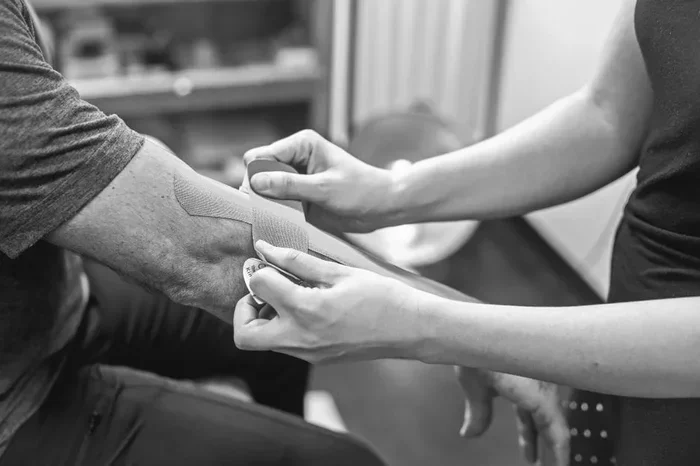
An elbow brace can take pressure off the affected tendons. For tennis elbow, the brace goes just below the outer elbow. For golf elbow, it sits just below the inner elbow. Wearing a brace during activities that aggravate the pain can speed up recovery significantly. It is a simple and affordable tool that makes a real difference.
When to Consider Advanced Treatment
If home treatments do not help after several months, your doctor may recommend corticosteroid injections, platelet-rich plasma therapy, or in rare cases, surgery. These options are usually reserved for persistent cases that do not respond to conservative care. Most people recover fully with patience and consistent treatment. Do not rush the process, and give your body the time it needs to heal.
Prevention Tips for Athletes and Active People
Preventing these conditions is much easier than treating them. A few simple habits can protect your elbows during any activity.
Warm Up Properly
Before any sport or physical activity, take 5 to 10 minutes to warm up your arms and wrists. Gentle stretching and light movements increase blood flow and prepare your tendons for work. This is true whether you are heading out to play at a place like 2nd Swing Golf The Colony or practicing serves at the local court.
Use Proper Technique and Equipment
Improper form puts extra stress on your tendons. In golf, make sure your grip is not too tight and your swing mechanics are sound. In tennis, work with a coach to ensure your backhand technique does not strain your outer elbow. Using the right equipment also matters. Lightweight tools, properly sized grips, and supportive gear all reduce strain on your tendon irritation points.
Strengthen Your Forearms Regularly
Strong forearm muscles absorb more stress and resist injury better. Simple exercises like wrist curls, reverse wrist curls, and forearm rotations build endurance over time. Do these exercises 2 to 3 times per week to keep your tendons healthy and resilient. Sports injury prevention starts with building a strong foundation.
Listen to Your Body
Pain is a signal, not a challenge to overcome. If you feel discomfort in your elbow during an activity, stop and rest. Pushing through pain only makes things worse and extends your recovery time. Taking a break early often means a faster return to the activities you enjoy. Rest is one of the most underrated treatment options out there.
Wear Supportive Gear
Proper footwear and clothing support your entire body mechanics. When your feet and legs are supported, your arms and elbows do less compensatory work. Wearing comfortable, flexible gear like Adidas Golf Go To 5 Pocket Pants can help you move freely and maintain proper form during physical activity. Good gear supports good movement, and good movement protects your joints.
When to See a Doctor
Some cases of elbow pain resolve on their own with rest. But certain signs mean you need professional help. If your elbow pain does not improve after two weeks of self-care, it is time to see a doctor. You should also seek help if you experience sudden, severe pain, cannot bend or straighten your elbow, or notice significant swelling or bruising.
A doctor can perform imaging tests like X-rays or MRIs to rule out fractures or other issues. They may also recommend specific treatments like physical therapy or injection therapy. Getting a proper diagnosis ensures you follow the right path to recovery.
Remember, the difference between tennis elbow and golf elbow matters when choosing your treatment approach. A doctor can confirm which condition you have and create a personalized plan that gets you back to full strength.
Conclusion
The difference between tennis elbow and golf elbow comes down to location, cause, and the specific movements that trigger pain. Tennis elbow affects the outer elbow and results from wrist extension. Golf elbow targets the inner elbow and comes from wrist flexion and gripping. Both are treatable, and most people recover fully with proper care.
Listening to your body, using proper technique, and starting treatment early are the best ways to stay ahead of these conditions. Do not ignore persistent elbow pain. Take action now, and you will be back to doing what you love in no time. Knowledge is your first line of defense, and this guide gives you everything you need to take control of your elbow health.
Frequently Asked Questions
Can you have both tennis elbow and golf elbow at the same time?
Yes, it is possible to have both conditions simultaneously, though it is not common. People who do a lot of repetitive arm work may develop inflammation on both sides of the elbow. If you suspect you have both, see a doctor for a proper evaluation.
How long does it take to recover from tennis elbow?
Most people recover from tennis elbow within 6 to 12 months with conservative treatment. Rest, physical therapy, and avoiding aggravating activities speed up the process. Patience is key, as rushing back too soon can cause a setback.
Is golf elbow only caused by playing golf?
No, golf elbow can be caused by any activity that involves repetitive gripping and wrist flexion. Baseball pitchers, weightlifters, and even people who do household chores can develop it. The name comes from golf, but the condition is not limited to golfers.
What is the fastest way to relieve tennis elbow pain?
The fastest relief comes from combining rest, ice, and anti-inflammatory medication. An elbow brace also helps by reducing strain on the affected tendon. For quicker results, physical therapy exercises targeting the forearm muscles can make a big difference.
Can stretching prevent tennis elbow and golf elbow?
Yes, regular stretching and strengthening exercises are one of the best ways to prevent both conditions. Stretching your forearm muscles before and after activity improves flexibility and reduces tendon stress. Consistency matters more than intensity when it comes to prevention.
Do I need surgery for tennis elbow or golf elbow?
Surgery is rarely needed for either condition. Over 90 percent of cases resolve with non-surgical treatments like rest, physical therapy, and bracing. Surgery is only considered when conservative treatments fail after 6 to 12 months of consistent effort.