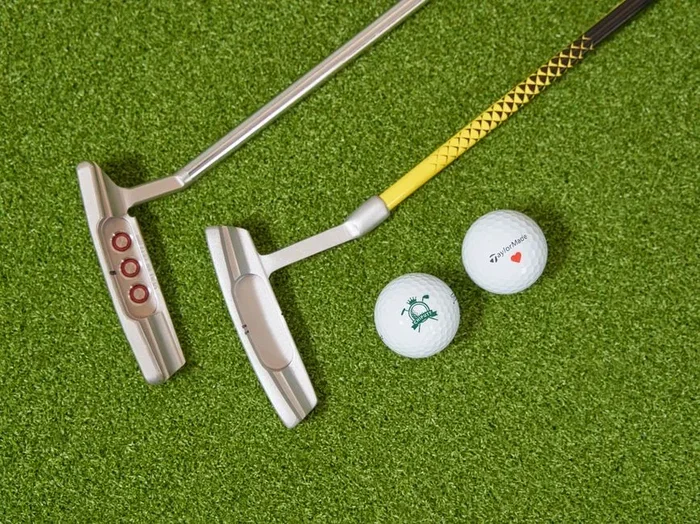
Do Golf Balls Make a Big Difference on the Golf Course
So, do golf balls make a difference? Absolutely. The right golf ball can add yards to your drives, improve your spin control around the greens, and even lower your score. Whether you play a two-piece golf ball or a premium multi-layer model, your choice affects distance, feel, and shot shaping. This guide breaks down everything you need to know about golf ball performance and how to pick the best one for your game.
You step up to the tee box. You take a deep breath. You swing. And the ball sails straight down the fairway. But what if it could go farther? What if it landed softer on the green? The truth is, do golf balls make a difference more than most players realize.
Many golfers spend hundreds of dollars on clubs, lessons, and gear. Yet they grab a random sleeve of balls from the rack and hope for the best. Your golf ball is the only piece of equipment you actually hit with every single shot. It touches your clubface on every drive, iron, chip, and putt. So it makes sense to give it some thought.
In this guide, we will break down exactly how much golf ball performance really matters. We will look at construction, compression, spin, dimple design, and more. By the end, you will know exactly what to look for the next time you buy a sleeve. Let us get into it.
Key Takeaways
- Ball construction matters: Two-piece and multi-layer balls serve very different players and swing speeds.
- Spin and compression affect control: Higher compression suits faster swingers, while lower compression helps beginners.
- Dimple design impacts flight: The pattern on a ball affects aerodynamics, lift, and drag.
- Feel is personal: Some golfers prefer a soft feel; others like a firmer response off the clubface.
- Price does not always mean better: Affordable balls can outperform expensive ones for many players.
- Match your ball to your game: Consider your swing speed, handicap, and playing style when choosing.
- Testing is key: Try different balls on the range before committing to a brand or model.
📑 Table of Contents
- Do Golf Balls Really Make a Difference?
- Understanding Golf Ball Construction
- Compression and Swing Speed: Why They Matter
- The Role of Dimple Design in Golf Ball Flight
- Spin Rate and Shot Control
- How to Choose the Right Golf Ball for Your Game
- Common Mistakes Golfers Make When Choosing a Ball
- Expert Insights on Golf Ball Performance
- Final Thoughts
Do Golf Balls Really Make a Difference?
The short answer is yes. The longer answer is that it depends on your skill level, swing speed, and what part of the game you want to improve. A golf ball is not just a small white sphere. It is a carefully engineered piece of technology.
Think about it this way. A professional golfer swings a driver at over 120 miles per hour. A beginner might swing at 70 miles per hour. The same ball will react very differently to each swing. This is why golf ball selection is so important. The right ball matches your swing and helps you play your best.
How Much Difference Can One Ball Make?
Studies and testing have shown that the right golf ball can add 10 to 20 yards off the tee. That is a huge gain for an average player. It can also improve your short game feel and help you control spin around the greens. Over 18 holes, those small gains add up fast.
But here is the catch. The difference matters most when you are consistent. If your swing is all over the place, a fancy ball will not fix that. Focus on basics first. Then use the right golf ball technology to unlock extra performance. You can explore quality options at a place like 2Nd Swing Golf The Colony to see what fits your game.
Understanding Golf Ball Construction
Not all golf balls are built the same way. The layers inside a ball determine how it flies, spins, and feels. Understanding construction helps you pick the right one for your game.
Two-Piece Golf Balls
A two-piece golf ball is the most common type. It has a solid core wrapped in a tough cover. These balls are built for distance and durability. They resist cutting and scuffing, which makes them great for casual players and high handicappers.
Two-piece balls usually have lower spin rates. This means they fly straighter and farther off the tee. However, they do not offer as much feel around the greens. If you are just starting out or looking for a reliable everyday ball, a two-piece model is a solid choice.
Multi-Layer Golf Balls
Premium balls often have three, four, or even five layers. Each layer serves a specific purpose. The core generates speed. The inner layers help with spin control. The outer cover provides soft feel and durability.
Multi-layer balls give skilled players more control. They spin more on short shots, which helps you stop the ball on the green. But they also cost more and wear out faster. If you have a lower handicap and a faster swing speed, a multi-layer ball can really improve your game.
The Cover Material Matters
The outer cover of a golf ball affects both feel and durability. Surlyn covers are hard and long-lasting. They are common in two-piece balls. Urethane covers are softer and provide more spin. They are found on premium multi-layer balls.
If you love hitting short shots and want that buttery feel on the greens, look for a ball with a urethane cover. If you just want something that lasts and flies straight, Surlyn works great. You can also check out equipment options like Adidas Adizero Zg Spikeless Golf Shoes to pair with your ball for a full gear upgrade.
Compression and Swing Speed: Why They Matter
Golf ball compression is one of the most misunderstood topics in the game. Compression measures how much a ball compresses when it hits the clubface. Lower compression means the ball squishes more. Higher compression means it stays firmer.
Why does this matter? Because your swing speed should match the ball’s compression. Here is a simple breakdown:
- Low compression (below 70): Best for slower swing speeds under 85 mph. These balls feel soft and help maximize distance for beginners and seniors.
- Medium compression (70 to 90): Great for average swing speeds between 85 and 100 mph. They offer a good balance of distance and feel.
- High compression (above 90): Designed for fast swing speeds over 100 mph. Tour players and strong hitters benefit most from these balls.
If you use a high-compression ball with a slow swing, you will lose distance. The ball will not compress enough to store and release energy. On the flip side, a low-compression ball with a fast swing will feel mushy and waste your power.
So when you ask yourself, do golf balls make a difference, compression is a big part of the answer. Always match your ball to your swing speed for the best results.
The Role of Dimple Design in Golf Ball Flight
Have you ever looked closely at a golf ball and noticed the tiny dimples? These little indentations are not just for looks. They play a huge role in how the ball flies through the air.
Dimples create a thin layer of air around the ball. This layer reduces drag and helps the ball stay in the air longer. The pattern, depth, and number of dimples all affect golf ball distance and stability.
How Dimples Affect Your Game
More dimples do not always mean better performance. The shape and depth of each dimple matter just as much. Some balls have shallow dimples for a lower, more penetrating flight. Others have deeper dimples for higher launch and more carry.
Brands spend millions of dollars testing dimple patterns. They use wind tunnels and computer simulations to get the design just right. The goal is to optimize ball speed and launch angle for every type of golfer.
When you are comparing balls, pay attention to how they fly, not just what the box says. A ball with a great dimple design will fly straighter, stay up longer, and land softer. It is one of the hidden factors that separates good balls from great ones.
Spin Rate and Shot Control
Spin is what makes a golf ball do what you want it to do. Backspin helps the ball climb into the air and stop quickly on the green. Sidespin affects whether the ball curves left or right.
Different balls produce different amounts of spin. A two-piece golf ball usually has low spin, which helps reduce hooks and slices. A premium multi-layer ball has higher spin, giving you more control on approach shots and around the greens.
Low Spin vs. High Spin
If you struggle with a big hook or slice, a low-spin ball can help straighten your shots. These balls are more forgiving and work well for high handicappers. They reduce the side spin that causes curves.
On the other hand, if you already hit a decent shot shape and want more control, a high-spin ball is worth trying. It lets you shape shots and stop the ball quickly on approach. Just be careful. Too much spin can make mishits more punishing.
Finding the right balance of spin is key to lowering your scores. Test different balls on the range and pay attention to how they behave in the air and on the ground. And if you are shopping for used gear, you can find quality clubs at 2nd Hand Titleist Golf Clubs to pair with the right ball.
How to Choose the Right Golf Ball for Your Game
With so many options on the shelf, choosing a golf ball can feel overwhelming. Here is a simple guide to help you pick the right one.
Step 1: Know Your Swing Speed
Measure your swing speed or estimate it based on your driver distance. If you hit your driver less than 200 yards, you likely have a slower swing speed and need a low-compression ball.
Step 2: Identify Your Priorities
Do you want maximum distance? Or do you care more about feel and control? Your answer will guide your choice. Distance players should look for low-spin, two-piece balls. Scoring players should lean toward premium multi-layer models.
Step 3: Test Before You Buy
Buy a sleeve of a new ball and test it on the range and on the course. Pay attention to how it feels off the driver, how it flies on irons, and how it spins on short shots. Do not buy a dozen cans of a ball you have never tried before.
Step 4: Consider Your Budget
Premium balls cost more, but they are not always better for every player. If you lose a lot of balls on the course, saving money with a durable two-piece ball makes sense. You can find great deals on golf gear and accessories at places like 2Nd Swing Golf The Colony without breaking the bank.
Common Mistakes Golfers Make When Choosing a Ball
Even experienced players make poor ball choices. Here are some mistakes to avoid:
- Buying based on brand name alone: Just because a ball costs more does not mean it suits your game.
- Ignoring compression: Using the wrong compression ball wastes your swing speed and kills distance.
- Choosing style over performance: Cool colors and designs look fun, but they do not help your score.
- Sticking with one ball forever: As your game improves, your ball needs may change too.
- Not testing on the course: Range testing is great, but real-course conditions are different. Always test in a round.
Avoid these mistakes and you will find a ball that truly fits your game. And remember, the best ball is the one that helps you shoot lower scores and have more fun.
Expert Insights on Golf Ball Performance
We asked a few teaching professionals what they think about golf ball technology and how it affects the average player. Here is what they had to say.
“Most amateurs do not realize how much a ball can change their game,” says one PGA instructor. “A simple switch from a hard two-piece ball to a soft urethane cover can improve feel and short game control almost immediately.”
Another coach adds, “Focus on matching compression to swing speed first. Everything else is secondary. Once you get that right, you will see real gains in distance and consistency.”
These experts agree that while the ball is not a magic fix, it is a meaningful piece of the puzzle. Pair the right ball with solid fundamentals and good equipment like quality clubs from 2nd Hand Titleist Golf Clubs and proper footwear such as Adidas Adizero Zg Spikeless Golf Shoes, and you set yourself up for success.
Final Thoughts
So, do golf balls make a difference? The answer is a clear yes. Your choice of ball affects distance, spin, feel, and control. It is the one piece of equipment you use on every single shot, so it deserves your attention.
Understanding golf ball construction, compression, dimple design, and spin can seem overwhelming at first. But the basics are simple. Match your ball to your swing speed. Pick the right compression. Test before you buy. And do not fall for flashy branding or pretty colors.
Whether you play a budget-friendly two-piece ball or a premium multi-layer model, the right choice will help you play better and enjoy the game more. Next time you are at the pro shop, take a few minutes to compare options. Your scores will thank you.
Start small. Try one new ball on your next round. See how it feels off the tee and around the greens. You might be surprised at the difference a single change can make. That is the power of choosing the right golf ball.
Frequently Asked Questions
Do golf balls really make a difference in distance?
Yes, they do. The right golf ball can add 10 to 20 yards to your drives depending on your swing speed and the ball’s compression. Matching the ball to your swing is key to unlocking extra distance.
What is the best golf ball for beginners?
A two-piece golf ball with low compression is usually the best choice for beginners. These balls are durable, affordable, and help maximize distance even with slower swing speeds.
How often should you change your golf ball?
You should change your ball when it shows visible damage like cuts, scuffs, or loss of shine. A well-maintained ball can last several rounds, but performance drops once the cover is compromised.
Does golf ball color affect performance?
No, color does not affect how a ball performs. Yellow, white, and other colored balls fly the same way. Color is purely a personal preference for visibility and style.
Are expensive golf balls worth it for average players?
Not always. Expensive balls offer more spin control and soft feel, but they benefit players with faster swing speeds and lower handicaps. Average players often do better with affordable two-piece balls.
Can the right golf ball lower your handicap?
While a ball alone will not fix a poor swing, choosing the right one can improve consistency, distance, and short game control. Over time, these small improvements can help lower your handicap.