Eagle 5 Golf Indoor Golf Practice Tips for Beginners
Eagle 5 Golf indoor golf practice gives beginners a smart way to sharpen skills at home. This guide covers setup tips, essential drills, gear picks, and common mistakes to avoid. You will learn how to build a routine that boosts your game fast.
Key Takeaways
- Start Small: A simple indoor setup with a net and mat can kickstart your progress.
- Focus on Fundamentals: Grip, posture, and alignment matter more than power for new golfers.
- Use the Right Gear: Quality golf tees, gloves, and balls make a big difference in practice.
- Build a Routine: Consistency beats intensity when training indoors.
- Track Your Progress: Keeping notes helps you see improvement over time.
- Avoid Common Errors: Rushing drills and ignoring form are the top beginner mistakes.
📑 Table of Contents
- What Is Eagle 5 Golf Indoor Golf and Why Should Beginners Care?
- Setting Up Your Eagle 5 Golf Indoor Golf Space
- Essential Practice Drills for Eagle 5 Golf Indoor Golf Beginners
- Common Mistakes Beginners Make in Eagle 5 Golf Indoor Golf
- Building a Winning Eagle 5 Golf Indoor Golf Practice Routine
- Upgrading Your Eagle 5 Golf Indoor Golf Setup Over Time
- Final Thoughts on Eagle 5 Golf Indoor Golf for Beginners
What Is Eagle 5 Golf Indoor Golf and Why Should Beginners Care?
Eagle 5 Golf indoor golf refers to practicing golf skills inside your home or garage. It uses simulators, nets, mats, and other tools to mimic the on-course experience. For beginners, this approach is a game-changer. You can work on your swing without worrying about weather, course fees, or travel time.
Indoor golf practice has exploded in popularity. More players are realizing that consistent home training leads to real results. Whether you live in a city or a rural area, you can access quality practice time any day of the week. Eagle 5 Golf systems make this even easier with user-friendly setups designed for all skill levels.
The beauty of indoor golf is that you can focus on the basics. There are fewer distractions. No one is waiting behind you on the tee box. You get to take your time, repeat drills, and build muscle memory. This kind of focused practice is hard to find at a busy driving range.
If you are just starting out, indoor golf gives you a low-pressure environment to learn. You can make mistakes, experiment with your technique, and grow your confidence. Eagle 5 Golf indoor golf is not just a luxury. It is a practical tool for anyone who wants to improve their game from the comfort of home.
Setting Up Your Eagle 5 Golf Indoor Golf Space
Creating a solid indoor practice space does not need to be complicated. The right setup depends on your room size, budget, and goals. Here is how to get started the right way.
Choose the Right Room
Pick a space with enough ceiling height. A garage or basement often works well. You need at least 8 to 10 feet of vertical clearance for most setups. Make sure the room is wide enough to swing a club comfortably. A clear path from tee to target is essential for safe practice.
Get the Basic Equipment
Every indoor setup needs a few key items. A quality practice net stops balls from flying into your walls. A hitting mat mimics real turf and protects your floor. A golf golf simulator or launch monitor adds data and feedback to your sessions. These tools help you see what your body is actually doing during the swing.
Do not overlook small but important accessories. A set of 1 5 inch golf tees is perfect for indoor use. They are short, stable, and reduce the risk of errant shots. A premium leather golf glove improves your grip and comfort during long sessions. These small investments pay off fast.
Set Up a Safe Target Area
Place your net at least 6 feet away from your stance. This gives you room to swing freely. Aim the net toward a blank wall or a dedicated impact screen. If you use a simulator, position the screen so it captures your full swing path. Good lighting helps you see the ball flight clearly and make adjustments on the spot.
Essential Practice Drills for Eagle 5 Golf Indoor Golf Beginners
Once your space is ready, it is time to start drilling. The right drills build a strong foundation. Here are the best ones for beginners working with Eagle 5 Golf indoor setups.
Grip and Setup Drill
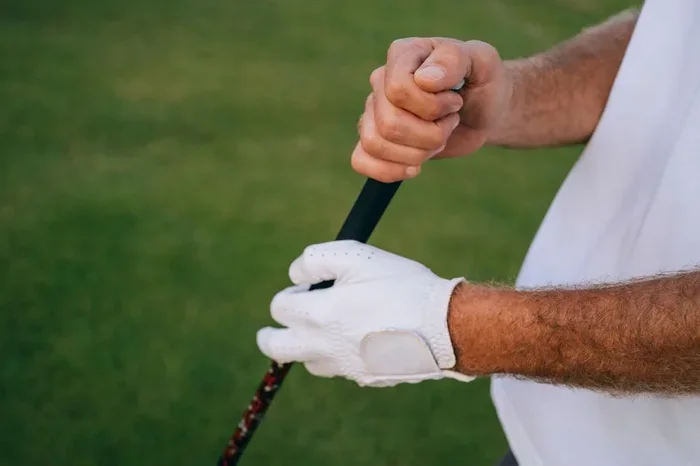
Your grip is the only connection between you and the club. Start by placing the club across your fingers, not your palm. Wrap your hands around the handle with light pressure. Check that your lead hand faces slightly left (for right-handed players) and your trail hand covers it partially. This basic setup creates a neutral grip that works for most shots.
Spend at least five minutes on grip checks before every session. Use a mirror to verify your hand position. Small grip changes can fix big problems like slices and hooks. This drill alone can transform your ball flight in just a few weeks.
Posture and Alignment Drill
Stand with your feet shoulder-width apart. Bend slightly at the hips, not the waist. Keep your back straight and your weight balanced. Your eyes should be directly over the ball or just inside it. This posture gives you a clean swing path and consistent contact.
Use alignment sticks or clubs on the floor to guide your feet and shoulders. Point them parallel to your target line. This simple visual cue helps you avoid aiming left or right of the target. Good alignment is one of the fastest ways to lower your scores.
Half-Swing Tempo Drill
Full swings are tempting, but half swings build control. Make a smooth backswing to hip height. Pause for one second. Then swing through to a balanced finish. Focus on rhythm, not speed. Count “one-two” in your head as you swing back and through.
This drill teaches you the golf swing tempo that powers consistent shots. It also reduces strain on your body. Over time, you can extend the swing length while keeping the same smooth tempo. This is a cornerstone of home golf training that many beginners skip.
Ball Flight Awareness Drill
Pay close attention to how the ball behaves after each shot. Does it draw, fade, slice, or hook? Note the starting direction and the curve. This awareness helps you connect swing changes to ball flight results. Keep a small notebook or use your simulator data to track patterns.
Understanding ball flight is a key part of indoor golf training. When you see the cause and effect clearly, you can make smarter adjustments. This skill transfers directly to the course and accelerates your learning curve.
Common Mistakes Beginners Make in Eagle 5 Golf Indoor Golf
Avoiding common pitfalls saves you time and frustration. Here are the top mistakes new indoor golfers make and how to fix them.
Skipping the Warm-Up
Jumping straight into full-speed swings is a recipe for injury and bad habits. Always warm up your shoulders, hips, and wrists first. Do 10 slow arm circles and some gentle stretches. A proper warm-up prepares your muscles and helps you swing with better control from the first shot.
Swinging Too Hard
Beginners often think power equals distance. It does not. A smooth, controlled swing produces better results than a wild, forceful one. Focus on making clean contact. Let the club do the work. When you slow down, you will notice more solid strikes and straighter shots.
Ignoring Feedback
If you use a simulator or launch monitor, read the data. Ignore it, and you are wasting half your practice time. Pay attention to clubhead speed, launch angle, and spin rate. These numbers tell you exactly what is working and what needs fixing. Use this feedback to guide each session.
Practicing Without a Plan
Hitting balls randomly is not practice. It is just swinging. Set a specific goal for every session. Maybe today you work on grip pressure. Tomorrow you focus on alignment. A structured approach delivers faster results and keeps you motivated.
Building a Winning Eagle 5 Golf Indoor Golf Practice Routine
A consistent routine is the backbone of improvement. Here is a simple framework to follow.
Weekly Schedule Example
Aim for three to four indoor sessions per week. Each session should last 30 to 45 minutes. Here is a sample weekly plan:
- Monday: Grip and setup drills (15 min) + half-swing tempo (15 min) + ball flight tracking (15 min)
- Wednesday: Full swing drills with focus on tempo and balance (30 min) + short game touch (15 min)
- Friday: Simulator or launch monitor session (30 min) + target accuracy drills (15 min)
- Sunday (optional): Fun challenge round on the simulator to test skills in a game-like setting
Track Your Progress
Keep a simple practice journal. Write down what you worked on, how many reps you did, and what you noticed. Over weeks, you will see patterns of improvement. This habit also keeps you accountable and makes practice feel purposeful.
Combine Indoor and Outdoor Practice
Indoor practice is powerful, but it works best when paired with time on the course or at a real driving range. Use your indoor sessions to refine technique. Then take that refined technique to the course and see how it translates. This combination speeds up improvement like nothing else.
When you do visit a course or range, consider your gear. A well-organized 14-way golf stand bag keeps your clubs protected and ready to go. Pair it with quality 2 piece vs 3 piece golf ball options to see which suits your indoor and outdoor game best. Proper gear supports the skills you build during Eagle 5 Golf indoor golf sessions.
Upgrading Your Eagle 5 Golf Indoor Golf Setup Over Time
As you improve, you may want to enhance your indoor setup. Upgrades can add realism, data, and fun to your practice sessions.
Consider adding a full-swing simulator with a large impact screen. This gives you a more immersive experience and better data accuracy. You can also add a premium pair of golf shoes to your indoor routine. Wearing proper footwear during practice reinforces good habits for on-course play.
Another great upgrade is a quality 14-way divider golf bag to store your clubs safely when not in use. Protecting your gear extends its life and keeps everything organized. These upgrades turn a basic indoor space into a professional-grade practice environment.
The key is to grow your setup with your skills. Start simple and add tools as you need them. This approach keeps costs manageable and ensures every piece of equipment serves a real purpose in your golf practice routine.
Final Thoughts on Eagle 5 Golf Indoor Golf for Beginners
Eagle 5 Golf indoor golf opens the door to faster improvement for new players. With the right setup, drills, and routine, you can build real skills from home. Focus on the fundamentals. Avoid common mistakes. Stay consistent. The results will follow.
Remember that every great golfer started as a beginner. The difference is that they showed up, practiced with purpose, and enjoyed the process. You can do the same. Start today, stay patient, and trust the work you put in during every indoor session.
Your journey to better golf begins in the space you have right now. Set up your net, grab your clubs, and take the first swing. Eagle 5 Golf indoor golf is here to help you get there, one practice session at a time.
Frequently Asked Questions
What is Eagle 5 Golf indoor golf?
Eagle 5 Golf indoor golf refers to practicing golf skills inside using simulators, nets, mats, and training aids. It allows beginners to work on swings, posture, and ball flight without going to a course. It is a convenient and effective way to build golf skills at home.
Do I need a lot of space for Eagle 5 Golf indoor golf?
No. A garage, basement, or even a large room with 8 to 10 feet of ceiling height works well. The key is having enough space to swing safely and set up a net or screen. Small spaces can still be effective for grip, posture, and half-swing drills.
How often should I practice Eagle 5 Golf indoor golf as a beginner?
Three to four sessions per week is ideal for beginners. Each session should last 30 to 45 minutes. Consistency matters more than duration. Short, focused practice sessions produce better results than long, unfocused ones.
What gear do I need to start Eagle 5 Golf indoor golf?
You need a hitting mat, a practice net, and a set of golf clubs. A golf glove and proper tees are also helpful. If you want more data, a launch monitor or simulator adds valuable feedback. Start with the basics and upgrade over time.
Can Eagle 5 Golf indoor golf really improve my on-course game?
Yes. Indoor practice builds muscle memory, improves tempo, and sharpens fundamentals. When combined with time on the course, it accelerates improvement. Many golfers find that indoor drills translate directly to better performance outdoors.
Is Eagle 5 Golf indoor golf expensive to set up?
It can be as affordable or as premium as you want. A basic setup with a net and mat costs very little. Adding a simulator or launch monitor increases the investment. The best approach is to start simple and add equipment as your skills and budget grow.