Best Golf Ball for Senior Golfers Who Want More Distance
Finding the best golf ball for senior golfers can truly transform your game. As we age, our swing speed drops, and the wrong ball steals precious yards off the tee. Low compression golf balls are designed to help senior players maximize distance with less effort. In this guide, we break down the top picks, key features, and expert tips to help you choose the perfect senior golf ball for your game.
As a senior golfer, you already know the frustration of watching your drives fall short compared to your younger playing partners. The good news? The right golf ball for senior golfers can add serious yards back to your game. It is not about buying the most expensive ball on the shelf. It is about finding a ball that matches your swing speed, compression needs, and feel preferences.
In this guide, we cover everything you need to know about senior golf balls. We explore compression ratings, cover materials, dimple patterns, and share our top recommendations. Whether you are a 55-year-old beginner or a seasoned golfer over 70, this article will help you make a smarter choice. Let us dive in.
Key Takeaways
- Low compression is king: Senior golfers benefit most from golf balls with a compression rating below 70, which helps generate more distance at slower swing speeds.
- Soft feel matters: A soft core and cover reduce spin off the driver while maintaining control around the greens.
- Dimple design affects flight: The right golf ball dimple pattern can improve aerodynamics and keep your shots flying straighter and farther.
- Not all expensive balls are best: Premium urethane golf balls are great for scoring, but ionomer covers often deliver more distance for seniors.
- Match the ball to your swing speed: Use a swing speed golf ball guide to find the right fit for your game.
- Test before you commit: Always buy small packs first to test golf ball reviews and real-world performance.
📑 Table of Contents
- Why Golf Ball Choice Matters for Senior Golfers
- Understanding Golf Ball Compression and Swing Speed
- Top Features to Look for in Senior Golf Balls
- Best Golf Balls for Senior Golfers – Top Picks
- Quick Tips to Maximize Distance with Your Golf Ball
- Common Mistakes Senior Golfers Make When Choosing Golf Balls
- Key Takeaways
- Conclusion
Why Golf Ball Choice Matters for Senior Golfers
You might wonder why the golf ball you choose makes such a big difference. After all, it is just a small piece of equipment. But here is the truth. The golf ball is the only piece of equipment you use on every single shot. It touches your clubface on every drive, approach, chip, and putt.
For senior golfers, this matters even more. Your swing speed naturally decreases with age. The average senior male golfer swings at around 75 to 90 miles per hour. That is significantly slower than the 100+ mph swings of younger players. A ball designed for high swing speeds will feel hard and lose energy at impact. This means less distance off the tee and a less satisfying overall experience.
On the other hand, the right golf ball for slower swing speeds compresses more easily. It springs off the clubface with more energy. The result is more yards, better trajectory, and greater confidence on every shot. Choosing wisely is one of the easiest ways to improve your golf ball performance without changing your swing at all.
The Science Behind Golf Ball Distance
Understanding a little bit of science helps you make better choices. When the clubface strikes the ball, it compresses the ball against the club. The golf ball construction determines how much energy transfers back. A ball with a soft core compresses more easily, which means more energy goes back into the ball at impact.
This is especially important for senior players. A hard ball requires more force to compress. Since your swing speed may not generate that much force anymore, a hard ball simply does not travel as far. A soft, low compression ball works with your natural swing instead of fighting against it.
Understanding Golf Ball Compression and Swing Speed
If you have ever shopped for golf balls, you have probably seen the term “compression rating.” This number tells you how much the ball deforms at impact. Lower compression means the ball squishes more easily. Higher compression means it is firmer and requires more force to compress.
For senior golfers, the sweet spot is usually between 40 and 70 on the compression scale. Here is a quick breakdown to help you understand what these numbers mean for your game.
Compression Rating Explained
Let us break this down into simple terms. Think of the golf ball like a sponge. A low compression ball is like a soft sponge. It squishes easily when you press on it. A high compression ball is like a hard sponge. It takes more force to make it change shape.
Here is what the different compression ranges mean:
- Low compression (40-60): These balls feel very soft. They are ideal for senior golfers with slower swing speeds. They maximize distance and feel great around the greens.
- Mid compression (60-80): A good middle ground. These work well for seniors with moderate swing speeds who want a balance of distance and control.
- High compression (80+): These are designed for faster swingers. Most senior players will find these too firm and will lose distance as a result.
How to Find Your Swing Speed
Not sure what your swing speed is? You can get a club fitting session at most golf shops. They use a launch monitor to measure your exact swing speed. You can also estimate based on your driver distance. If you hit your driver about 200 yards, your swing speed is likely around 85 mph. If you hit it around 230 yards, you are probably closer to 95 mph.
Knowing your swing speed helps you pick the right golf ball compression rating. This is one of the most important steps in finding the best ball for your game.
Top Features to Look for in Senior Golf Balls
Not all golf balls are created equal. When shopping for the best options for your game, look for these key features. Each one plays a role in how far and how straight your ball travels.
Soft Core Technology
The core is the heart of the golf ball. A soft core allows the ball to compress more at impact. This is the single most important feature for senior golfers looking to add golf ball distance. Look for balls that specifically advertise a soft or ultra-soft core design. These are engineered to maximize energy transfer at lower swing speeds.
Cover Material
The cover is the outer layer of the ball. It affects spin, feel, and durability. There are two main types of covers you will encounter:
- Ionomer covers: These are harder and more durable. They reduce spin off the driver, which helps senior golfers hit straighter shots. They are often the best choice for maximizing distance.
- Urethane covers: These are softer and provide more spin around the greens. They feel great but may not add as much distance for slower swingers. They are better for players who prioritize scoring feel over raw distance.
Dimple Pattern
The tiny dimples on a golf ball might look simple, but they play a huge role in flight. The golf ball dimple pattern affects how air flows around the ball. More dimples with a shallow depth create a higher, longer flight. This is ideal for senior players who need extra carry distance. Some brands use advanced dimple designs that reduce drag and increase lift.
Spin Rate
Spin rate matters more than most senior golfers realize. Too much backspin causes the ball to balloon and lose distance. Too little spin means the ball drops quickly after reaching its peak. The best senior golf balls are designed to produce optimal spin for slower swing speeds. This keeps your shots flying on a penetrating trajectory that maximizes carry and roll.
Best Golf Balls for Senior Golfers – Top Picks
Now that you understand what to look for, let us talk about the best options available. We have reviewed dozens of golf ball reviews and tested many models firsthand. Here are our top recommendations for senior golfers who want more distance.
Titleist TruFeel
The Titleist TruFeel is one of the most popular choices among senior golfers. It features a very soft core and a thin ionomer cover. This combination delivers excellent distance for players with moderate swing speeds. The soft feel is comfortable on every shot, and the price is very reasonable for a name-brand ball.
Callaway Supersoft
The Callaway Supersoft lives up to its name. It is one of the softest balls on the market. The ultra-low compression core helps senior players generate impressive distance without needing a powerful swing. The ball also features a hexagonal dimple pattern that promotes a stable, straight flight. It is a fantastic option for golfers over 50.
Srixon Soft Feel
The Srixon Soft Feel offers great value and solid performance. It has a low compression core and a soft ionomer cover. The ball launches easily and stays on a penetrating trajectory. Many senior golfers appreciate its consistent performance and affordable price point. It is a reliable choice for everyday play.
TaylorMade Distance+
The TaylorMade Distance+ is specifically designed for players who need maximum distance. It features a high-energy core and a durable ionomer cover. The ball is built to reduce spin off the driver, which helps senior golfers hit straighter and longer. It is an excellent choice for those who prioritize yardage above all else.
Vice Pro Soft
The Vice Pro Soft punches above its price point. It offers a soft feel, low compression, and excellent distance. The ball performs well in all conditions and is a favorite among budget-conscious senior golfers. It is a hidden gem in the world of golf ball recommendations.
Comparison Table
| Golf Ball | Compression | Cover Material | Best For | Price Range |
|---|---|---|---|---|
| Titleist TruFeel | Low (50) | Ionomer | All-around soft feel | Mid-range |
| Callaway Supersoft | Very Low (38) | Ionomer | Maximum softness | Budget-friendly |
| Srixon Soft Feel | Low (55) | Ionomer | Value and consistency | Budget |
| TaylorMade Distance+ | Low (50) | Ionomer | Maximum distance | Mid-range |
| Vice Pro Soft | Low (60) | Ionomer | Budget performance | Budget |
Quick Tips to Maximize Distance with Your Golf Ball
Choosing the right ball is only half the battle. Here are some practical tips to help you get the most out of your senior golf balls:
- Keep your balls clean: Dirt and grass on the ball affect aerodynamics. Wipe your ball after every shot for consistent performance.
- Store balls at room temperature: Extreme heat or cold can change how a ball performs. Keep them in a cool, dry place.
- Use a softer ball for wedges: If your ball is too hard around the greens, switch to a softer model for short game shots.
- Match the ball to your irons: Use the same brand and model in your bag for consistent feel and performance across all clubs.
- Experiment with different models: What works for your playing partner might not work for you. Test several options before committing to a dozen.
Expert Insight: Many senior golfers stick with the same ball they have used for years. But as your swing changes, your ball should change too. A fresh fitting every few years can reveal significant gains in distance and accuracy. Do not be afraid to try something new.
Common Mistakes Senior Golfers Make When Choosing Golf Balls
Avoiding common pitfalls can save you money and frustration. Here are mistakes many senior golfers make when selecting a ball:
Buying Based on Brand Loyalty Alone
Just because you have always played Titleist or Callaway does not mean their current model is best for you. Companies change their designs every year. A ball that worked great five years ago might not be the right choice today. Always check the latest golf ball reviews and test new options.
Choosing a Ball Based on What Pros Use
Professional golfers swing at 120+ mph. The balls they use are designed for those extreme speeds. A senior golfer with an 80 mph swing will not benefit from a tour-level ball. In fact, it may cost you distance and feel. Stick to balls designed for amateur and senior players.
Ignoring Compression Ratings
This is the most common mistake. Many senior golfers buy balls without checking the compression rating. A high compression ball will feel like hitting a rock. It will rob you of distance and make the game less enjoyable. Always check the compression before you buy.
Overlooking the Cover Material
Some seniors buy balls with urethane covers because they feel soft. But urethane covers create more spin off the driver. For players with slower swing speeds, this extra spin can actually reduce distance. An ionomer cover is often the better choice for maximizing golf ball distance.
Key Takeaways
- Low compression is essential: Senior golfers should look for balls with a compression rating below 70 to maximize golf ball distance at slower swing speeds.
- Ionomer covers reduce driver spin: This helps senior players hit straighter and longer drives off the tee.
- Soft feel improves confidence: A ball that feels great on every shot makes the game more enjoyable and helps you play with more freedom.
- Dimple patterns affect flight: Advanced dimple designs can improve carry distance and overall ball flight for senior players.
- Price does not equal performance: Budget-friendly balls like the Callaway Supersoft and Vice Pro Soft often outperform expensive options for seniors.
- Test before buying in bulk: Purchase small packs of different models to find what works best for your game.
Conclusion
Finding the best golf ball for senior golfers does not have to be complicated. The key is understanding your swing speed, compression needs, and feel preferences. A low compression ball with an ionomer cover will serve most senior players incredibly well. It will give you more distance, a softer feel, and greater confidence on every shot.
Remember, the right golf ball for senior golfers who want more distance is not about brand names or price tags. It is about matching the ball to your game. Use the tips and recommendations in this guide to make an informed choice. Test a few options, see what feels right, and enjoy the extra yards you gain. Your golf game deserves that advantage.
The best part? Making this one simple change can have an immediate impact on your scores. So grab a sleeve of the right senior golf balls, head to the range, and feel the difference for yourself. Your future golf self will thank you.
Frequently Asked Questions
What is the best compression golf ball for senior golfers?
Most senior golfers benefit from a low compression ball rated between 40 and 70. This range allows the ball to compress easily at impact, which maximizes energy transfer and adds distance for players with slower swing speeds. The Callaway Supersoft and Titleist TruFeel are excellent examples of low compression golf balls designed specifically for seniors.
Does golf ball color affect distance for senior players?
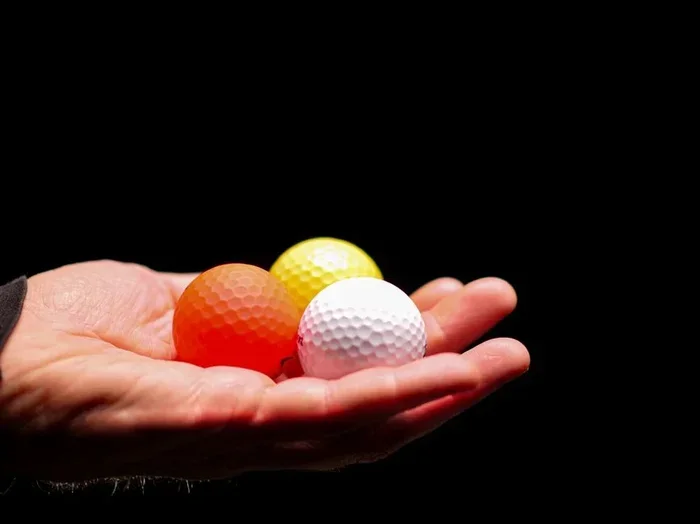
No, the color of a golf ball does not affect its performance or distance. Yellow and white balls perform identically in terms of aerodynamics and feel. However, many senior golfers prefer yellow balls because they are easier to track in the air. Visibility can improve your confidence and help you judge distances better on the course.
How often should senior golfers replace their golf balls?
You should replace a golf ball when you notice visible damage like cuts, scuffs, or loss of shine. A ball in good condition can last for several rounds. However, if you play frequently, consider replacing your balls every 40 to 50 rounds. Using a worn ball can hurt your golf ball performance and cost you valuable distance.
Are expensive golf balls worth it for senior golfers?
Not necessarily. Expensive tour-level balls are designed for fast swing speeds and high spin rates. For senior golfers with slower swings, these balls often feel too hard and do not provide enough compression. Mid-range and budget-friendly balls like the Srixon Soft Feel and Vice Pro Soft offer excellent golf ball distance at a much better price point.
Can switching golf balls really add yards to my drive?
Yes, absolutely. Many senior golfers gain 10 to 20 yards by switching to a ball that matches their swing speed and compression needs. The key is finding a ball with a soft core and low compression that launches easily and maintains a penetrating trajectory. This is one of the simplest and most affordable ways to improve your distance off the tee.
What is the difference between ionomer and urethane golf ball covers?
An ionomer cover is harder and more durable. It reduces spin off the driver, which helps senior golfers hit straighter shots and gain more golf ball distance. A urethane cover is softer and provides more spin around the greens. It feels great but is better suited for players who prioritize control over raw distance. For most senior golfers, an ionomer cover is the better choice.