Eisenhower Golf Short Game Practice Area Training Guide
The Eisenhower golf short game practice area is one of the best resources golfers can use to sharpen their skills around the green. This training guide covers essential drills, club selections, and common mistakes that will help you improve your short game significantly. Whether you are a beginner or a seasoned player, these tips will give you the confidence to score lower on every round.
Every golfer knows that the short game can make or break a round. You might hit a perfect drive down the fairway, but if you cannot get the ball up and down from around the green, your scorecard will suffer. That is exactly why the Eisenhower golf short game practice area has become a go-to destination for players who want to improve their scoring. This dedicated space gives golfers the room and tools to work on the shots that happen most often during a round.
Unlike full-swing driving ranges, a short game practice area focuses on the shots within 100 yards of the pin. Think chipping, pitching, bunker play, and putting. These are the shots that separate good golfers from great ones. The Eisenhower practice area is designed specifically for this kind of focused work, making it easier than ever to build real skills that transfer directly to the course.
In this guide, we will walk you through everything you need to know about training at the Eisenhower golf short game practice area. You will learn the best drills, the right clubs to bring, common mistakes to avoid, and how to build a practice routine that actually works. Let us get started.
Key Takeaways
- Dedicated Practice Matters: A focused short game practice area like Eisenhower helps you refine the shots that matter most on the course.
- Drills Drive Improvement: Consistent drills for chipping, pitching, and bunker shots build muscle memory and better distance control.
- Right Equipment Makes a Difference: Using the correct wedges and a practice golf cage net at home boosts your training quality.
- Avoid Common Mistakes: Poor setup, rushed routines, and ignoring green speed are the top errors golfers make in short game practice.
- Routine Builds Results: A structured weekly practice plan keeps you accountable and tracks your progress over time.
📑 Table of Contents
What Is the Eisenhower Golf Short Game Practice Area?
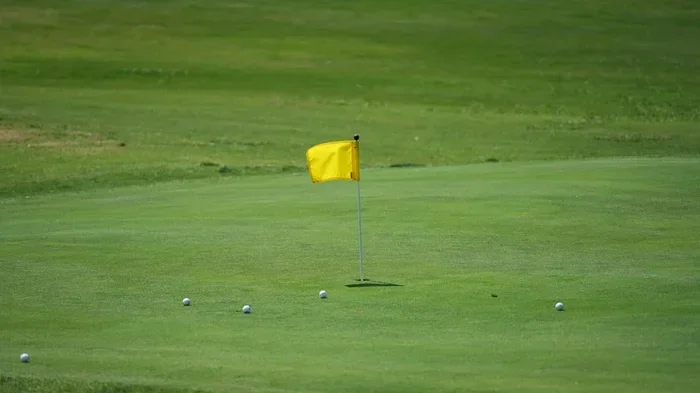
The Eisenhower golf short game practice area is a specially designed training space for golfers who want to focus on shots close to the green. It features multiple practice stations that simulate real-course scenarios. You will find areas for chipping, pitching, bunker shots, and putting all in one convenient location.
This type of facility is different from a standard driving range. While a driving range helps you work on your full swing, the short game practice area zeroes in on the shots that require precision, touch, and creativity. Golfers of all skill levels can benefit from spending time here, whether you are just learning the basics or looking to shave strokes off your game.
Why Short Game Practice Is So Important
Here is a fact that surprises many golfers: most shots in a round happen within 100 yards of the hole. Yet most players spend the majority of their practice time working on drives and long irons. This is a huge missed opportunity. The short game is where you can truly control your scoring. A solid chip shot or a well-placed pitch can save you multiple strokes in a single round.
Players who practice regularly at a dedicated facility like the Eisenhower area see faster improvement because they are training in an environment built for short game work. The layout, the targets, and the green conditions all work together to give you a realistic practice experience.
Essential Drills for Short Game Mastery
Drills are the backbone of any good practice session. At the Eisenhower golf short game practice area, you will find several drills that target specific skills. Let us break down the most effective ones you should try during your next visit.
Chip Shot Drill
The chip shot is one of the most common shots you will face on the course. It is a low-running shot that gets the ball onto the green and rolling toward the hole. To practice this at the Eisenhower area, set up targets at different distances and try to land the ball on each target consistently.
Focus on keeping your hands quiet and letting your shoulders do the work. A good chip shot comes from a steady rhythm, not from flicking the wrists. Try this drill for 15 to 20 minutes during each practice session. You will notice your distance control improving quickly.
Pitching Drill
Pitching shots are higher and carry more distance than chips. They are ideal when you have more green to work with or when there is a hazard between you and the hole. At the Eisenhower practice area, use the pitching stations to work on full and half-swing pitches with your pitching wedge and sand wedge.
A great pitching drill is the ladder drill. Place targets at 30, 40, 50, and 60 yards. Try to hit each target in order, then reverse the order. This builds your feel for distance and helps you develop a consistent swing tempo.
Bunker Shot Drill
Bunker shots can be intimidating, but they become much easier with regular practice. The Eisenhower area includes a bunker station where you can work on escaping greenside bunkers and fairway bunkers alike.
The key to a good bunker shot is opening the clubface slightly and swinging through the sand rather than at the ball. Spend at least 10 minutes on bunker drills each time you visit. Focus on landing the ball a few feet in front of the bunker so it carries out softly and rolls toward the hole.
Putting Drill
Putting is the great equalizer in golf. Even if your full game is not perfect, solid putting can keep your scores in check. The Eisenhower practice area has putting greens that simulate different green speeds and slopes.
Try the gate drill for putting improvement. Set two tees a few inches apart to create a gate just in front of the ball. Putt through the gate and focus on starting the ball on the correct line. This simple drill builds confidence and accuracy on the greens.
Best Clubs and Equipment for Practice
Having the right equipment makes a big difference in your practice sessions. You do not need a full bag of clubs at the Eisenhower golf short game practice area. In fact, bringing too many clubs can slow you down and distract you from focused work.
Here is a simple list of what to bring:
- Sand Wedge: Your go-to club for bunker shots and high flop shots around the green.
- Pitching Wedge: Essential for pitch shots from 40 to 70 yards.
- Gap Wedge (if you have one): Fills the distance gap between your pitching and sand wedge.
- A Putter: You cannot skip putting practice. Bring your favorite putter and work on both lag and short putts.
- A Few Golf Tees: Useful for setting up gates and markers for your drills.
If you want to continue your short game training at home, consider investing in a quality practice golf cage net and a set of training aids. These tools let you replicate the Eisenhower experience in your own backyard or garage.
Choosing the Right Golf Ball for Short Game Practice
Not all golf balls are created equal, especially when it comes to the short game. A two-piece vs three-piece golf ball comparison shows that three-piece balls tend to offer better spin and feel around the green. This extra spin helps you control your chips and pitches more effectively. If you are serious about improving your short game, consider using a ball that provides enhanced feedback and control during practice.
Grip and Setup Basics
Before you start any drill, make sure your grip and setup are correct. A solid 10 finger grip can provide more stability and control for short game shots. Keep your stance narrow, your weight slightly forward, and your hands ahead of the ball at address. These small adjustments make a big difference in the quality of your contact and the consistency of your results.
Common Mistakes to Avoid During Short Game Practice
Even with the best practice area, mistakes can hold you back. Here are the most common errors golfers make when working on their short game at facilities like Eisenhower.
Rushing Through Drills
One of the biggest mistakes is treating practice like a chore. Many golfers hit a few balls and move on without truly focusing on each shot. Quality matters more than quantity at the Eisenhower golf short game practice area. Take your time with each shot, visualize the outcome, and commit to the stroke.
Ignoring Green Speed
Every putting green has a different speed, and practicing only on one speed can hurt your feel on the course. Make sure you spend time on different parts of the practice green to experience varying speeds and slopes. This builds the adaptability you need when you face different green conditions during a round.
Using the Wrong Club
Some golfers default to their pitching wedge for every short shot. But different situations call for different clubs. A chip from tight rough might need a 7-iron, while a soft flop shot needs your sand wedge. Experiment with different clubs during your practice sessions so you know which tool to reach for on the course.
Practicing Without a Purpose
Hitting balls randomly without a plan is not real practice. Before you step onto the practice area, decide what you want to work on. Are you focusing on chipping distance control? Bunker escape shots? Putting from different lengths? Having a clear purpose keeps your sessions productive and measurable.
Building a Practice Routine That Works
A great practice routine turns random sessions into structured improvement. Here is a simple routine you can follow at the Eisenhower golf short game practice area.
Sample Practice Session
- Warm-Up (5 minutes): Start with gentle stretching and a few easy putts to loosen up.
- Chipping (15 minutes): Work through the chip shot drill at different distances. Focus on clean contact and consistent roll.
- Pitching (15 minutes): Use the ladder drill to build distance control with your pitching wedge and sand wedge.
- Bunker Work (10 minutes): Practice at least 10 bunker shots, focusing on swinging through the sand.
- Putting (15 minutes): Finish with the gate drill and a few long lag putts to work on distance.
This routine takes about 60 minutes and covers all aspects of the short game. Try to visit the Eisenhower area at least once a week, and supplement with shorter home practice sessions using your practice net during the week.
Tracking Your Progress
One of the best ways to stay motivated is to track your progress. Keep a simple notebook where you record your drill results after each session. Note how many chips landed near the target, how many bunker shots got up and down, and what your putting success rate was from different distances. Over time, you will see clear improvement, which keeps you excited to keep practicing.
Expert Tips to Lower Your Scores
Now that you know the drills, the equipment, and the routine, here are some expert tips that will help you translate your practice into lower scores on the course.
Focus on the 50-to-75 Yard Range: This is the scoring zone for most amateur golfers. Spending extra time at the Eisenhower area on pitching shots in this distance range pays huge dividends.
Practice with Pressure: Give yourself challenges during practice. Try to make five chips in a row before you move on. This simulates the pressure you feel on the course and builds mental toughness.
Watch Your Body Position: Keep your weight on your front foot throughout short game shots. This promotes clean contact and prevents fat or thin shots that kill your scoring chances.
Learn to Flight the Ball: Not every shot needs maximum height. Learning to flight a chip or pitch lower with more roll gives you better control on firm greens and windy days.
Stay Patient: Short game improvement takes time. Do not get discouraged if you do not see results immediately. Consistent practice at the Eisenhower area will compound over weeks and months.
Final Thoughts on the Eisenhower Golf Short Game Practice Area
The Eisenhower golf short game practice area is a valuable resource for any golfer who wants to improve their scoring. By focusing on the short game, you are investing in the part of your game that has the biggest impact on your overall score. Use the drills, avoid the common mistakes, follow a structured routine, and stay patient with your progress.
Remember, the best golfers in the world spend a huge portion of their practice time on short game work. You can too. Whether you visit the Eisenhower facility regularly or set up a home practice station with a net and some training aids, the key is consistency. Make short game practice a non-negotiable part of your golf routine, and you will see your scores drop and your confidence rise.
So grab your wedges, head to the practice area, and start putting in the work. Your scorecard will thank you next time you step onto the course.
Frequently Asked Questions
What is the Eisenhower golf short game practice area?
The Eisenhower golf short game practice area is a dedicated training facility designed for chipping, pitching, bunker shots, and putting. It provides targeted practice stations that simulate real-course scenarios within 100 yards of the green.
How often should I practice at the Eisenhower short game area?
Ideally, you should visit at least once a week for a full session. Supplementing with shorter home practice sessions using a practice net and training aids during the week will accelerate your improvement significantly.
Which clubs should I bring to a short game practice session?
Bring your sand wedge, pitching wedge, gap wedge if you have one, and your putter. These four clubs cover all the short game shots you will face around the green and in bunkers.
Can beginners benefit from short game practice?
Absolutely. Beginners often see the fastest improvement from short game practice because these shots are more about touch and technique than raw power. The Eisenhower area is welcoming for players of all skill levels.
How long does it take to see improvement in the short game?
Most golfers notice meaningful improvement within 4 to 6 weeks of consistent practice. The key is to follow a structured routine and focus on quality over quantity during each session.
Is the Eisenhower practice area suitable for advanced golfers too?
Yes. Advanced golfers benefit from short game practice areas because these facilities allow them to fine-tune spin control, trajectory, and distance precision. Even elite players rely on dedicated short game work to maintain their edge.
=== CONCLUSION ===
The Eisenhower golf short game practice area offers everything a golfer needs to sharpen the skills that matter most on the course. From chipping and pitching to bunker shots and putting, this dedicated space gives you the tools and environment to improve faster. By following the drills, avoiding common mistakes, and sticking to a regular practice routine, you will see real results in your scoring. So make the Eisenhower area part of your golf training plan and watch your short game transform.