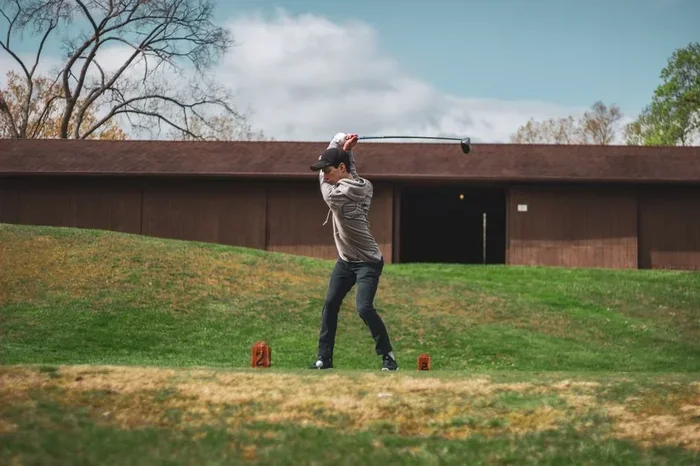
Exercises to Improve Golf Swing Speed for Beginners
Exercises to improve golf swing speed combine strength, flexibility, and rotation drills that every beginner can start today. These golf swing tips target your core, hips, and shoulders to unlock more clubhead speed and driving distance. With consistent practice, you will hit the ball farther and smoother in just a few weeks.
Want to hit the golf ball farther without spending money on new clubs? The secret might be simpler than you think. Exercises to improve golf swing speed can transform your game faster than any gadget or gadget you see on TV. These moves focus on building the muscles and flexibility that drive a powerful, smooth swing. Whether you are just starting out or looking to add yards to your drive, this guide has you covered.
Many beginners make the mistake of swinging harder to gain speed. That approach usually leads to poor contact and inconsistency. The real key to a faster golf swing lies in your body, not your arms. Golf fitness exercises target the right muscles so your body naturally produces more speed. You do not need a gym membership or fancy equipment. A few minutes a day can make a real difference.
In this article, we walk you through the best exercises for beginners. Each one is simple, safe, and designed to build speed over time. We also share common mistakes to avoid and tips to get the most from every drill. Let us dive in and help you swing faster and play better golf.
Key Takeaways
- Rotational exercises build the core power needed for a faster, more controlled golf swing.
- Hip mobility drills directly increase swing speed by allowing a fuller turn through the ball.
- Grip strength and forearm exercises help you hold the club firmly without tension.
- Flexibility training reduces injury risk and improves your range of motion on the course.
- Consistency matters more than intensity — short daily routines beat long occasional workouts.
- Proper footwear supports your swing mechanics and keeps you stable during power moves.
📑 Table of Contents
- Why Golf Swing Speed Matters for Beginners
- Best Rotational Exercises for Golf Swing Speed
- Hip Mobility Drills to Unlock More Speed
- Strength Training for a Faster Golf Swing
- Flexibility and Stretching Routines
- Common Mistakes to Avoid When Training for Swing Speed
- How to Build a Daily Golf Speed Routine
- Conclusion
Why Golf Swing Speed Matters for Beginners
Swing speed is one of the biggest factors in how far you hit the ball. More speed means more energy transferred to the golf ball at impact. For beginners, even a small increase in speed can add real distance off the tee. This makes the game more fun and helps you score lower.
But speed is not just about power. It also helps you control the ball better. When your muscles work together properly, your swing becomes smoother and more consistent. You will find it easier to hit fairways and reach greens in regulation. Golf swing speed training builds a foundation that supports every part of your game.
The Connection Between Speed and Distance
Here is a simple fact. The faster the clubhead moves at impact, the farther the ball travels. This is basic physics. But speed without control does you no good. That is why exercises to improve golf swing speed focus on both power and flexibility. You want to move fast, but with a smooth, controlled motion.
Think of your swing like a whip. A whip moves fast because it stores and releases energy smoothly. Your body works the same way. Your legs and hips start the motion, your core transfers the energy, and your arms and club release it at the ball. Each part of this chain needs to be strong and flexible.
Best Rotational Exercises for Golf Swing Speed
Your ability to rotate your body is the engine of your golf swing. Rotational exercises build the muscles that turn your torso, hips, and shoulders through the ball. These are the core golf swing tips that most beginners overlook.
1. Standing Rotation Drill
Stand with your feet shoulder-width apart. Hold a golf club or broomstick across your shoulders. Slowly rotate your upper body to the right, then to the left. Keep your hips facing forward as much as possible. Do 10 to 15 rotations on each side. This simple drill builds the core strength golf players need for a powerful turn.
The goal is to feel a gentle stretch in your mid-back and obliques. Do not rush the movement. Slow and controlled reps build the muscle memory you need on the course. Over time, you will notice a smoother, more fluid rotation in your actual swing.
2. Seated Torso Twist
Sit on the floor with your knees bent and feet flat. Hold a light dumbbell or medicine ball with both hands. Twist your torso to the left, then to the right. Keep your abs tight throughout the movement. Do 3 sets of 12 reps on each side.
This exercise targets the obliques and deep core muscles that rotate your spine. These muscles are the ones that generate the most speed in your downswing. Start with a light weight and focus on form. As you get stronger, you can increase the weight gradually.
3. Cable Woodchop
If you have access to a cable machine, the woodchop is one of the best golf power training exercises. Stand sideways to the cable machine. Pull the cable diagonally across your body from high to low. Do 3 sets of 10 reps on each side. This mimics the downswing path and builds rotational power.
The woodchop works your entire core, shoulders, and hips in one movement. It is an excellent way to train the diagonal muscle chains that drive your swing. Focus on a smooth, controlled motion rather than speed during the exercise itself.
Hip Mobility Drills to Unlock More Speed
Your hips play a huge role in generating golf swing speed. They are the bridge between your lower body and upper body. When your hips move freely, they create a powerful coil that releases energy through the downswing. Hip mobility drills are essential for any beginner looking to increase clubhead speed.
1. Hip Circles
Stand next to a wall for balance. Lift one knee to hip height and make slow circles with your hip. Do 10 circles forward and 10 backward. Switch legs. This simple warm-up opens up your hip joints and prepares them for rotational work.
Many beginners have tight hips from sitting all day. Tight hips limit your backswing turn and reduce your ability to generate speed. Spending just five minutes on hip circles each day can make a noticeable difference in your flexibility and swing range.
2. 90/90 Hip Stretch
Sit on the floor with both knees bent at 90 degrees. Let both knees fall to one side while keeping your back flat. Hold for 30 seconds, then switch sides. Do 3 reps on each side. This stretch targets the hip rotators that are critical for a full, unrestricted turn.
Good hip mobility allows you to clear your hips faster in the downswing. This creates a lag between your upper and lower body that stores energy and releases it at impact. The result is more speed and better ball striking.
3. Glute Bridge with Rotation
Lie on your back with your knees bent and feet flat. Push your hips up into a bridge. At the top, extend one arm straight up and let your hips rotate slightly toward that side. Hold for 2 seconds, then return to center. Do 10 reps on each side.
This exercise strengthens your glutes while training your hips to rotate under control. Strong glutes are the foundation of a powerful golf swing. They help you maintain posture and stability as you swing through the ball at high speed.
Strength Training for a Faster Golf Swing
Building strength is a key part of exercises to improve golf swing speed. Strong muscles produce more force, and more force means more clubhead speed. But you do not need to lift heavy weights. Focus on functional movements that mimic the golf swing.
1. Medicine Ball Slams
Hold a light medicine ball overhead. Slam it down into the ground with as much force as you can. Pick it up and repeat. Do 3 sets of 10 slams. This full-body exercise builds explosive power that transfers directly to your swing.
Medicine ball slams train your body to generate speed from the ground up. They also improve your core stability and coordination. This is one of the most fun and effective golf speed drills you can do at home.
2. Dumbbell Rows
Place one hand and knee on a bench. Hold a dumbbell in the other hand and pull it up to your chest. Do 3 sets of 10 reps on each arm. This exercise strengthens your back muscles, which are essential for maintaining posture and controlling the club during the swing.
A strong back helps you stay upright through the entire swing. It also prevents the common beginner mistake of rounding over at impact. Stronger back muscles mean better alignment and more consistent ball striking.
3. Single-Leg Romanian Deadlift
Stand on one leg with a dumbbell in the opposite hand. Hinge forward at the hips while extending the free leg behind you. Return to standing. Do 10 reps on each leg. This exercise builds balance, hamstring strength, and stability.
Balance is crucial for a fast golf swing. When you swing fast, your body needs to stay stable and grounded. Single-leg exercises train the stabilizing muscles that keep you balanced through the entire swing motion. Better balance leads to better contact and more distance.
Flexibility and Stretching Routines
Flexibility is just as important as strength when it comes to golf swing speed training. Tight muscles limit your range of motion and restrict your ability to make a full, fluid swing. A good stretching routine can unlock extra speed you did not even know you had.
1. Shoulder Stretch with Club
Hold a golf club behind your back with both hands. Gently lift the club upward, stretching your shoulders and chest. Hold for 30 seconds. Repeat 3 times. This stretch improves the shoulder mobility needed for a full backswing.
Many beginners have limited shoulder flexibility, which forces them to shorten their backswing. A shorter backswing means less stored energy and less speed. Regular shoulder stretches help you take the club back farther and generate more power through the downswing.
2. Thoracic Spine Rotation Stretch
Sit on the floor with your knees bent. Place a foam roller or towel across your upper back. Rotate your torso to the left, then to the right. Hold each side for 20 seconds. Do 5 rotations on each side. This stretch targets the thoracic spine, which is the main source of rotation in your golf swing.
The thoracic spine needs to rotate freely for a proper golf swing. When it is stiff, other parts of your body compensate, leading to inconsistency and potential injury. This stretch keeps your mid-back loose and your rotation smooth.
3. Cat-Cow Stretch
Get on all fours with your hands under your shoulders and knees under your hips. Arch your back upward like a cat, then let it sag downward like a cow. Do 10 slow reps. This stretch warms up your entire spine and improves flexibility in your lower back.
A flexible spine is the foundation of a fluid golf swing. The cat-cow stretch is simple but effective. It prepares your back for the rotational demands of the golf swing and helps prevent stiffness during your round.
Common Mistakes to Avoid When Training for Swing Speed
Even with the right exercises, beginners often make mistakes that slow their progress. Knowing what to avoid can save you time and frustration.
Swinging Too Hard During Practice
Many beginners try to swing as fast as possible during practice. This creates tension in your arms and shoulders, which actually slows your swing down. Focus on smooth, controlled movements during your exercises. Speed will come naturally as your muscles get stronger and more flexible.
Neglecting Warm-Ups
Jumping straight into intense exercises without warming up is a recipe for injury. Always start with light cardio and dynamic stretches. A proper warm-up increases blood flow to your muscles and prepares your joints for rotational movements. Even five minutes of light movement makes a big difference.
Overtraining
More is not always better. Doing too many exercises or working out too intensely can lead to fatigue and soreness. Start with 15 to 20 minutes per day, 3 to 4 times a week. Give your muscles time to recover and grow stronger. Consistency over time beats short bursts of intense effort.
Ignoring Proper Footwear
Your feet are the foundation of your swing. Wearing the wrong shoes can throw off your balance and limit your power transfer. Consider investing in proper golf shoes like the Adidas Golf Shoes Tech Response that provide stability and support during your exercises and on the course. Good footwear helps you feel grounded and confident during every swing.
How to Build a Daily Golf Speed Routine
The best way to see results is to build a simple daily routine. You do not need to spend hours working out. A focused 20-minute session can be incredibly effective.
Start with 5 minutes of dynamic stretching to warm up your joints. Follow that with 10 minutes of rotational and hip mobility exercises. Finish with 5 minutes of strength work using bodyweight or light dumbbells. Do this routine 4 times a week, and you will start to notice a difference in your swing speed within 2 to 3 weeks.
Track your progress by measuring your swing speed occasionally. You can use a launch monitor or even a simple radar gun. Seeing your numbers go up is a great motivator. It also helps you know which exercises are working best for you.
Remember that building swing speed is a gradual process. Do not expect overnight results. Stay patient, stay consistent, and trust the process. Over time, you will hit the ball farther, feel more confident, and enjoy the game even more.
As you continue to improve, you may want to explore more advanced training tools and techniques. Visiting a facility like 2nd Swing Golf The Colony can give you access to professional fitting and training resources that take your game to the next level. Their experienced staff can help you fine-tune your swing and choose the right equipment for your new speed.
Conclusion
Exercises to improve golf swing speed are one of the best investments you can make as a beginner golfer. They are simple, effective, and free. You do not need expensive gear or a personal trainer to get started. A few minutes of daily practice with the right exercises can add real speed and distance to your swing.
Focus on rotational movements, hip mobility, strength training, and flexibility. Avoid common mistakes like overtraining and skipping warm-ups. Stay consistent, be patient, and enjoy the process. Your faster, more powerful swing is closer than you think.
Start today. Pick two or three exercises from this guide and commit to doing them every day for the next 30 days. You will be amazed at how much your golf swing speed improves. And the best part is, these gains will stay with you for the rest of your golf journey.
Frequently Asked Questions
How long does it take to see results from golf swing speed exercises?
Most beginners start to notice improvements within 2 to 3 weeks of consistent practice. Doing exercises 3 to 4 times per week gives your muscles time to adapt and grow stronger. Remember that progress varies from person to person, so stay patient and keep at it.
Do I need any equipment for these exercises?
Most of the exercises require no equipment at all. You can use a broomstick, a light dumbbell, or a medicine ball for some drills. A yoga mat is helpful for floor exercises but not required. The best part is that you can start with what you already have at home.
Can these exercises help older beginners improve their swing speed?
Absolutely. These exercises are gentle and adaptable for all ages. Hip mobility and flexibility work are especially helpful for older golfers who may have reduced range of motion. Always listen to your body and adjust the intensity to match your fitness level.
Should I do these exercises before or after playing golf?
These exercises work best as a separate training session, not right before you play. A good time is in the morning or on non-playing days. Doing them before a round can actually tire out the muscles you need for your swing. Save your practice swings for the course itself.
How often should I train for golf swing speed?
3 to 4 times per week is the sweet spot for most beginners. This gives your muscles enough stimulus to grow stronger while allowing proper recovery. On days you do not train, light stretching or a short walk can keep your body active and flexible.
Will faster swing speed mean I will lose control of my shots?
Not if you focus on proper technique. The exercises in this guide build both speed and control. They train your body to move efficiently and stay balanced. As your speed increases, your control will improve too, as long as you maintain good form and stay relaxed through the swing.