Are Golf Carts Covered Under Your Homeowners Insurance
Golf carts are often covered under homeowners insurance, but only under specific conditions and limits. Your personal property coverage may help pay for theft or damage, while liability coverage can protect you if someone gets hurt. However, standard policies usually have gaps, and you may need additional endorsements or a separate policy to get full protection.
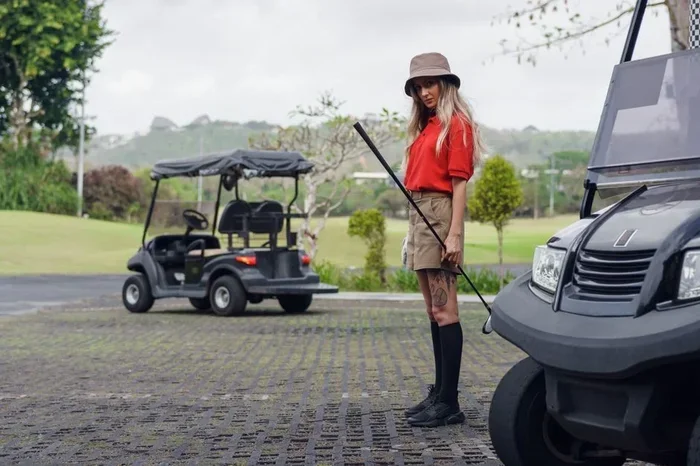
If you own a golf cart, you probably enjoy cruising around your neighborhood, the golf course, or your local community. But here is a question that many golf cart owners overlook: are golf carts covered under homeowners insurance? The answer is not as simple as yes or no. It depends on your policy, the type of cart you own, and how you use it.
Many homeowners assume their insurance covers everything. But that is not always true. Golf carts fall into a gray area for most standard policies. Some policies cover them as personal property. Others exclude them entirely. Understanding your coverage can save you from a nasty surprise after an accident or theft.
In this article, we will break down exactly how homeowners insurance treats golf carts. We will look at what is covered, what is not, and what you can do to fill the gaps. Whether you use your cart for weekend golf or daily transportation, this guide will help you make smart decisions about protecting your investment.
Key Takeaways
- Homeowners insurance may cover golf carts: Under personal property and liability sections, but with strict limits and conditions.
- Coverage depends on where the accident happens: On your property, on the golf course, or on public roads all have different implications.
- Standard policies often exclude certain risks: Wear and tear, racing, and off-road use may not be covered.
- You can add endorsements or riders: Scheduled personal property endorsements fill gaps in standard coverage.
- Umbrella insurance adds extra protection: It boosts liability limits beyond what a standard homeowners policy offers.
- Check your policy details carefully: Not all golf carts are treated the same way by insurance companies.
📑 Table of Contents
- What Does Homeowners Insurance Typically Cover?
- When Are Golf Carts Covered?
- What Is Typically Excluded?
- How to Make Sure Your Golf Cart Is Protected
- Real-Life Scenarios: What Happens When Claims Go Wrong
- Tips for Golf Cart Owners
- Common Mistakes Golf Cart Owners Make
- Final Thoughts on Golf Cart Insurance Coverage
What Does Homeowners Insurance Typically Cover?
Homeowners insurance is designed to protect your home, belongings, and personal liability. But it does not cover everything equally. Understanding the basic parts of a policy helps you see where golf carts fit in.
Personal Property Coverage
Personal property coverage pays to replace items that are stolen or damaged. This includes furniture, electronics, clothing, and yes, sometimes golf carts. Most standard policies cover personal property at a percentage of your dwelling coverage. That is usually around 50 to 70 percent of your total home value.
However, there are limits. High-value items like golf carts may exceed standard coverage caps. If your cart gets stolen from your driveway, your policy may help pay for replacement. But if the cart is worth more than your coverage limit, you could be stuck paying the difference out of pocket.
Liability Coverage
Liability coverage protects you if someone gets hurt or their property gets damaged because of you. This is important for golf cart owners. If your cart hits someone on the golf course, liability coverage can help pay for medical bills and property repairs.
Standard homeowners policies typically include liability coverage starting at $100,000. But many experts recommend at least $300,000. If you use your cart frequently around other people, higher limits make sense. A serious injury claim can easily exceed standard limits.
When Are Golf Carts Covered?
Not all situations are treated the same way. Insurance companies look at several factors when deciding whether to pay a claim involving a golf cart. Here is a closer look at common scenarios.
On Your Property
If your golf cart is damaged or stolen while sitting on your property, your homeowners policy is most likely to cover it. Personal property coverage applies here. For example, if a storm knocks a tree onto your cart, you can file a claim. If someone breaks into your garage and steals it, you may also be covered.
Keep in mind that the cart must be listed or fall under your personal property limits. Some policies have sub-limits for certain types of items. Golf carts might fall under a vehicle sub-limit, which is often lower than the general personal property cap.
On the Golf Course
Using your cart on a golf course is a different story. Most homeowners policies cover golf cart use on the course. But the coverage usually applies only for liability, not for damage to the cart itself.
If you hit another player with your cart, liability coverage can help. But if your cart rolls into a water hazard and gets damaged, you may have to pay for repairs yourself. That is because standard policies often exclude damage from normal wear and use.
On Public Roads
This is where things get tricky. Many homeowners policies exclude golf carts from coverage when they are used on public roads. If you drive your cart on a street and get into an accident, your homeowners policy may deny the claim entirely.
Some states require golf carts to be street-legal if used on public roads. In those cases, you may need a separate auto insurance policy or a golf cart-specific policy. Always check your local laws and your insurance policy before taking your cart on the road.
What Is Typically Excluded?
Insurance companies love to list exclusions. Understanding these helps you avoid surprises. Here are common exclusions for golf carts under homeowners policies.
- Wear and tear: Normal damage from regular use is not covered. This includes flat tires, worn brakes, and engine problems.
- Racing or off-road use: If you use your cart for racing or on rough terrain, most policies will deny any claim.
- Commercial use: Using your cart for business purposes usually voids coverage entirely.
- Unauthorized drivers: If someone not listed on your policy drives your cart and causes an accident, coverage may be denied.
- Intentional damage: Damage you cause on purpose is never covered.
These exclusions are standard across most homeowners policies. If you use your cart in any of these ways, you need to explore other coverage options.
How to Make Sure Your Golf Cart Is Protected
The good news is that you have options. If your homeowners policy does not cover your golf cart adequately, there are steps you can take to fill the gaps.
Add a Scheduled Personal Property Endorsement
A scheduled personal property endorsement lets you list specific high-value items on your policy. This is one of the best ways to ensure your golf cart is fully covered. You list the cart by make, model, and value. The insurance company then agrees to cover it up to that value, with fewer exclusions.
This type of endorsement is affordable compared to a full standalone policy. It gives you peace of mind without breaking the bank. If you have a premium cart, this is a smart move.
Consider a Golf Cart-Specific Policy
Some insurance companies offer policies designed specifically for golf carts. These policies cover theft, damage, and liability in ways that homeowners policies often do not. They also cover use on public roads and at golf courses more comprehensively.
A golf cart-specific policy is especially worth considering if you use your cart daily. If you live in a community where carts are a primary mode of transportation, this coverage becomes essential.
Look Into Umbrella Insurance
Umbrella insurance adds extra liability coverage on top of your homeowners and auto policies. It kicks in when your standard limits are exhausted. For golf cart owners, an umbrella policy can provide an extra layer of protection.
Umbrella policies are relatively inexpensive for the amount of coverage they provide. A $1 million umbrella policy might cost just a few hundred dollars per year. Given the potential cost of a serious liability claim, this is a wise investment.
Review Your Policy Every Year
Insurance needs change over time. If you buy a new cart, add accessories, or change how you use it, your coverage may no longer be adequate. Reviewing your policy annually ensures you stay properly protected.
When you review, ask your agent specific questions about golf cart coverage. Do not assume it is included. Get the answer in writing and keep it with your policy documents. This small step can save you thousands of dollars later.
Real-Life Scenarios: What Happens When Claims Go Wrong
Let us look at a few real-world examples. These show how golf cart coverage can play out in practice.
Scenario 1: Theft. Mike leaves his golf cart in his driveway overnight. Someone steals it the next morning. Mike files a claim with his homeowners insurance. Because the cart was on his property and he has personal property coverage, the claim is approved. He receives a payout minus his deductible.
Scenario 2: Property Damage. Sarah drives her cart through her neighbor’s fence while backing out of the garage. Her neighbor sues for repairs. Sarah’s homeowners liability coverage pays for the fence repair and legal costs, up to her policy limit.
Scenario 3: Road Accident. Tom takes his cart onto a public road to cross town. He gets hit by a car. His homeowners policy denies the claim because the cart was being used on a public road. Tom has no coverage and must pay for his own medical bills and cart repairs.
These scenarios show why understanding your coverage matters. The same cart, different situations, completely different outcomes.
Tips for Golf Cart Owners
Here are some practical tips to keep your golf cart safe and properly insured.
- Store your cart securely: Keep it in a locked garage or storage area when not in use. This reduces theft risk and strengthens your claim.
- Document your cart: Take photos, keep receipts, and record the serial number. This makes filing claims faster and easier.
- Install security features: GPS trackers and alarms can lower your insurance premiums and help recover stolen carts.
- Avoid public road use: Unless your policy or a separate policy covers it, keep your cart off public roads.
- Talk to your agent: Be upfront about how you use your cart. The more your agent knows, the better advice they can give.
If you are shopping for a new cart, check out options at 2nd Swing Golf The Colony for quality pre-owned carts. You can also explore 2nd Hand Titleist Golf Clubs and 2nd Hand Ping Golf Clubs if you need to match your cart with quality equipment without overspending.
Common Mistakes Golf Cart Owners Make
Avoid these common mistakes to keep your coverage intact.
- Assuming full coverage: Many owners assume their homeowners policy covers everything. It usually does not.
- Not listing the cart: If you have a high-value cart and do not list it, you may only receive a fraction of its value in a claim.
- Ignoring exclusions: Reading the exclusions section of your policy is boring but essential. Do not skip it.
- Using the cart without insurance: Some owners cancel coverage on old carts. This leaves them exposed to financial risk.
- Not comparing quotes: Golf cart-specific policies vary widely in price and coverage. Shopping around can save you money.
Final Thoughts on Golf Cart Insurance Coverage
So, are golf carts covered under homeowners insurance? The short answer is: sometimes. Your homeowners policy may provide some coverage for theft, damage, and liability. But the coverage is often limited and full of exclusions. For complete protection, you need to take proactive steps.
Add endorsements, consider a dedicated policy, or look into umbrella coverage. The right approach depends on how you use your cart and how much it is worth. Do not wait until after an accident to figure out what your policy does and does not cover.
Taking the time to understand your coverage now can save you significant stress and money later. Your golf cart is more than a vehicle. It is a lifestyle. Make sure it is protected the way it deserves.
Frequently Asked Questions
Does homeowners insurance cover golf cart theft?
Yes, in most cases. If your golf cart is stolen from your property, your personal property coverage may help pay for replacement. However, check your policy limits and deductible. High-value carts may exceed standard coverage caps and require a scheduled endorsement.
Can I drive my golf cart on public roads with homeowners insurance?
Most homeowners policies exclude golf cart use on public roads. If you need road coverage, look into a golf cart-specific insurance policy or check if your state requires a separate auto policy for street-legal carts.
Do I need a separate policy for my golf cart?
It depends on how you use your cart. If you use it only on your property and the golf course, your homeowners policy may be enough. If you use it on public roads or daily, a separate golf cart policy is strongly recommended.
What is a scheduled personal property endorsement?
A scheduled personal property endorsement is an add-on to your homeowners policy. It lets you list specific high-value items like a golf cart for dedicated coverage. This ensures full value protection with fewer exclusions than standard personal property coverage.
How much does golf cart insurance cost?
Golf cart-specific policies typically cost between $200 and $500 per year. Scheduled endorsements are usually much cheaper, often adding just $50 to $150 to your annual premium. Umbrella policies start around $150 to $300 per year for $1 million in coverage.
Will my insurance cover damage from a golf cart accident?
It depends on the situation. Liability coverage may pay for damage you cause to others. But damage to your own cart from an accident is usually not covered under a standard homeowners policy. You would need collision coverage from a dedicated golf cart policy for that.