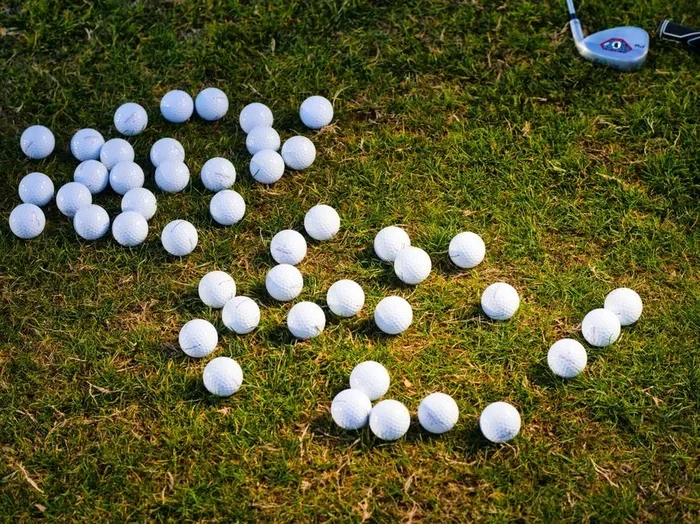
The Best 80 Compression Golf Balls List For Players
Looking for the best 80 compression golf balls? This guide covers the top picks, who benefits most from low compression, and how to choose the right ball for your game. An 80 compression golf ball is ideal for players with slower swing speeds who want a soft feel, more distance, and better control around the greens.
Golf can be frustrating enough without using the wrong equipment. If you have a slower swing speed, you already know the struggle. The ball feels dead. It barely flies. You wonder if you are wasting your money every time you buy a new sleeve.
The truth is, the 80 compression golf ball might be exactly what you need. These soft, responsive balls are built for players who do not generate massive clubhead speed. They compress more easily, which means more energy transfers from your swing to the ball. The result? More distance, better feel, and a more enjoyable round.
In this guide, we break down the best 80 compression golf balls available right now. We also explain who should use them, how to pick the right one, and what mistakes to avoid. Whether you are a senior golfer, a beginner, or a woman looking to improve your game, this list has you covered.
Key Takeaways
- 80 compression golf balls are designed for slower swing speeds below 85 mph.
- Low compression means a softer core that compresses more easily on contact.
- The right ball can add distance, improve feel, and reduce spin off the tee.
- Top brands like TaylorMade, Callaway, and Srixon offer excellent 80-compression options.
- Women, seniors, and beginners often benefit most from 80-compression balls.
- Price does not always equal performance — many affordable options perform well.
- Always test a few balls before committing to a full sleeve.
📑 Table of Contents
- What Is an 80 Compression Golf Ball?
- Who Should Use 80 Compression Golf Balls?
- Top 80 Compression Golf Balls on the Market
- How to Choose the Right 80 Compression Golf Ball
- Common Mistakes to Avoid When Choosing Golf Balls
- Expert Tips for Getting More Distance with 80 Compression Balls
- Final Thoughts
What Is an 80 Compression Golf Ball?
Every golf ball has a compression rating. This number tells you how much the ball compresses when it hits the clubface. A lower number means the ball is softer. An 80 compression golf ball is on the softer end of the spectrum.
Here is how it works in simple terms. When you swing the club, the ball sits on the face for a tiny fraction of a second. A softer ball squishes more during that moment. This squishing stores energy, and then releases it as the ball flies off. A harder ball does not squish as much. Less energy transfer means less distance.
Most standard golf balls sit around 90 compression. Tour-level balls can go even higher. The 80 compression rating makes these balls ideal for players who swing at slower speeds. Typically, that means anyone swinging below 85 miles per hour with a driver.
Why Compression Matters
You might wonder, does compression really make a difference? The answer is yes, especially for slower swingers. Here are a few reasons why golf ball compression matters:
- Distance: A softer ball compresses more, giving you extra yards off the tee.
- Feel: Low compression balls feel softer around the greens. They are more responsive to touch.
- Spin control: Softer cores can help reduce unwanted spin, especially for players who slice or hook.
- Comfort: Many players simply prefer the softer feel. It makes the game more enjoyable.
Who Should Use 80 Compression Golf Balls?
Not every golfer needs an 80 compression ball. But certain groups of players benefit greatly from them. Let us look at who should seriously consider switching.
Seniors and Mature Golfers
As we age, our swing speed naturally decreases. A player who could swing 95 mph at age 30 might drop to 75 or 80 mph by age 65. Using a hard golf ball with high compression in this scenario is like trying to run a sprint with ankle weights. An 80 compression ball removes those weights. It lets your slower swing generate the distance you need.
Women Golfers
Most women golfers have average swing speeds between 60 and 80 mph. The 80 compression golf ball is a natural fit. It helps maximize distance without requiring extra effort. Many top brands now design women-specific golf balls in the 80 compression range, and they perform beautifully.
Beginners and High Handicappers
New golfers often lack the technique and strength to compress a hard ball properly. A soft low compression golf ball forgives many swing flaws. It goes farther with a less-than-perfect strike. This builds confidence on the course, which is huge for new players.
Players with Slow Swing Speeds
Even if you do not fit neatly into a category, if your driver swing speed is under 85 mph, an 80 compression ball is worth trying. Many amateur men fall into this group. The soft feel golf ball category includes most 80 compression options, and the results can be surprising.
Top 80 Compression Golf Balls on the Market
Now let us get to the fun part. Here are some of the best 80 compression golf balls you can buy right now. Each one offers something unique, so read through and find the best fit for your game.
TaylorMade Soft Response
The TaylorMade Soft Response is a standout in the low compression category. It features a soft core designed for players with slower swing speeds. The ball delivers a nice balance of distance and spin. Off the tee, it flies straight and true. Around the greens, it responds well to short shots and putting.
Many players praise its soft feel and consistent performance. It is also very affordable, which makes it a great option for anyone who goes through balls quickly.
Callaway Supersoft
The Callaway Supersoft has been a fan favorite for years. It lives up to its name with an incredibly soft feel. The ball uses a dual-core design that maximizes energy transfer. This means more distance without extra effort.
One of the best things about the Supersoft is its low driver spin. For players who struggle with a slice or hook, this can be a game changer. The Callaway Supersoft is also very reasonably priced, making it one of the best values on this list.
Srixon Soft Feel
Srixon Soft Feel balls are known for their excellent feel and consistency. The 80 compression rating makes them perfect for slower swingers. The ball has a thin cover that provides great feedback on short shots.
Srixon has built a strong reputation for quality, and the Soft Feel line lives up to it. The Srixon Soft Feel offers good distance off the tee and excellent control around the greens. It is a great all-around choice for amateur golfers.
Wilson DUO Soft+
If you are looking for a budget-friendly option, the Wilson DUO Soft+ is hard to beat. It is one of the softest golf balls on the market, with a compression rating that falls well within the 80 range. The dual-core technology helps maximize distance while keeping the feel soft.
Many recreational golfers swear by the DUO Soft+. It performs like a ball that costs twice as much. For players who want quality without breaking the bank, this is a top pick.
Titleist TruFeel
Titleist TruFeel brings the trusted Titleist quality to the low compression market. It is designed specifically for players who want a soft feel with reliable performance. The ball offers a crisp response on putts and approach shots.
While it is slightly more expensive than some other options, the Titleist TruFeel delivers excellent consistency. If you trust the Titleist name and want an 80 compression ball, this is a solid choice.
Bridgestone e12 Soft
The Bridgestone e12 Soft uses a unique dimple design and soft core to maximize flight and distance. It is engineered for players who want a soft feel without sacrificing performance. The ball also does a nice job reducing sidespin, which helps with accuracy.
Bridgestone has a long history of innovation in golf ball technology. The e12 Soft is a great example of how golf ball technology continues to evolve for the everyday player.
How to Choose the Right 80 Compression Golf Ball
Picking the right 80 compression ball is not just about the number on the label. Several factors come into play. Here is what you should consider before making your choice.
Check Your Swing Speed
This is the most important factor. If your swing speed is above 90 mph, an 80 compression ball might feel too soft. You might actually lose distance because the ball does not hold up against your faster swing. If you are under 85 mph, an 80 compression golf ball is likely your sweet spot.
You can measure your swing speed at a local golf shop or driving range. Many pro shops have launch monitors that give you detailed data. This information helps you make a smarter choice.
Consider Your Skill Level
Beginners might prioritize distance and forgiveness. More experienced players might care more about feel and spin control around the greens. Think about what matters most to you. A two-piece golf ball with an 80 compression rating is often a great starting point for newer players.
Think About Your Budget
Golf balls can range from a few dollars to over five dollars each. You do not need to spend a fortune to find a great 80 compression ball. Brands like Wilson and Callaway offer excellent options at very reasonable prices. Set a budget and look for balls that fit within it.
Pay Attention to Spin
Some low compression golf balls are designed to reduce spin off the driver. Others are built to generate more spin around the greens. Think about your game. If you struggle with a slice, look for a ball that reduces sidespin. If you want more control on approach shots, consider a ball with a bit more spin.
Try Before You Buy
Every golfer is different. What works for one person might not work for you. The best approach is to buy a few sleeves of different 80 compression golf balls and test them. Pay attention to distance, feel, and how the ball behaves on the greens. After a few rounds, you will know which ball is right for you.
Common Mistakes to Avoid When Choosing Golf Balls
Even experienced golfers sometimes make mistakes when picking their golf balls. Here are a few common pitfalls to watch out for.
Choosing Based on Brand Alone
Just because a ball is from a famous brand does not mean it is right for you. The best 80 compression golf ball for you depends on your swing, your feel preference, and your budget. Do not just grab the most expensive box on the shelf.
Ignoring Compression Rating
Many players buy golf balls without even checking the compression rating. This is a big mistake. The wrong compression can cost you serious distance and feel. Always look for the compression number on the packaging or the manufacturer website.
Overlooking Used or Refurbished Balls
If you are just starting out or playing casually, there is no shame in buying used or refurbished balls. Many 80 compression golf balls perform just as well whether they are new or lightly used. This can save you a lot of money, especially if you tend to lose balls in the rough.
Switching Balls Too Often
Once you find a ball you like, stick with it. Constantly switching between different brands and models makes it hard to develop a feel for your game. Pick your best golf ball and commit to it for at least a few rounds before making a change.
Expert Tips for Getting More Distance with 80 Compression Balls
Using the right 80 compression golf ball is only part of the equation. Here are a few tips to help you get the most out of your game.
- Focus on a smooth tempo. You do not need to swing hard. A smooth, controlled swing actually generates more speed for slower swingers.
- Get fitted for a driver. A properly fitted driver can add 10 to 20 yards to your drives. Pair it with the right ball for even better results.
- Keep your golf balls clean. Dirt and scuffs affect aerodynamics. Clean your balls after every round for consistent performance.
- Store balls properly. Extreme heat or cold can affect ball performance. Keep them in a cool, dry place.
- Practice your short game. Even with the best soft feel golf ball, your score will suffer if you cannot putt and chip well.
Final Thoughts
The 80 compression golf ball is a game changer for many players. If you have a slower swing speed, a senior golfer, a woman, or a beginner, these soft, responsive balls can unlock more distance and better feel on the course. The options we covered in this list represent some of the best choices available today.
Remember, the best ball is the one that fits your game. Take the time to test a few options. Pay attention to how each ball feels, flies, and spins. With the right 80 compression golf balls, you will notice a real difference in your performance. So grab a sleeve, hit the range, and enjoy the game even more.
Golf is supposed to be fun. Let the right ball be one less thing to worry about. Pick up an 80 compression ball from our list, give it a few rounds, and see the difference for yourself. Your game will thank you.
Frequently Asked Questions
What does 80 compression mean on a golf ball?
An 80 compression rating means the golf ball is soft and compresses easily on contact. This is ideal for players with slower swing speeds, typically under 85 mph. The softer construction allows more energy transfer, which helps generate greater distance and a better feel around the greens.
Who should use 80 compression golf balls?
Seniors, women, beginners, and any player with a slow to moderate swing speed should consider 80 compression golf balls. They are also great for anyone who prefers a soft feel and wants more distance without needing a fast swing. If you struggle to get the ball airborne with standard balls, an 80 compression option is worth trying.
Can high handicap players benefit from low compression golf balls?
Absolutely. High handicap players often have slower swing speeds and benefit greatly from low compression golf balls. The softer core helps generate more distance and a more consistent flight. It also provides better feedback on short shots, which helps players improve their touch around the greens over time.
Are 80 compression golf balls good for cold weather?
Soft golf balls with low compression can perform well in cooler temperatures. However, cold weather can make any ball feel firmer and slightly less responsive. It is a good idea to keep your golf balls warm before playing in cold weather by storing them in a pocket or insulated bag. This helps maintain their soft feel and performance.
How do 80 compression golf balls compare to 90 or 100 compression balls?
An 80 compression ball is significantly softer than a 90 or 100 compression ball. Players with slower swing speeds will see more distance and better feel with an 80 ball. Faster swingers may prefer a harder ball because it provides more control and a firmer response. The key is matching the compression to your swing speed for the best results.
What is the best 80 compression golf ball for beginners?
The Callaway Supersoft and Wilson DUO Soft+ are two of the best options for beginners. They offer a soft feel, good distance, and are very affordable. Beginners should focus on finding a ball that feels comfortable and helps them hit farther. Both of these 80 compression golf balls check those boxes and are widely available at most golf shops and online retailers.
=== CONCLUSION ===
The best 80 compression golf balls can transform your game, especially if you have a slower swing speed. From the TaylorMade Soft Response to the Wilson DUO Soft+, there is a great option for every budget and playing style. The key is to find a ball that matches your swing, your feel preference, and your goals on the course.
Take the advice from this list, test a few balls, and see which one works best for you. The right 80 compression golf ball is out there waiting to help you shoot lower scores and enjoy the game more. Get out there and give them a try. You will be glad you did.