Best Golf Grip for Driver To Hit Farther and Straighter
Finding the best golf grip for driver can transform your game overnight. The right grip pressure, hand placement driver, and grip size all work together to add yards and fix slices. This guide walks you through every detail step by step. You will learn the three main grip types, common mistakes, and quick fixes you can use on the range today.
The best golf grip for driver is the one that feels natural, stays consistent, and lets you swing fast without tension. Your hands are the only connection between your body and the club. So it makes sense that grip pressure, hand placement driver, and grip size matter a lot. A poor grip leads to slices, hooks, and lost distance. A solid grip unlocks cleaner contact and more yards off the tee. In this guide, we break down everything you need to know about finding the best golf grip for driver. From grip types to pressure tips, you will have a clear roadmap to better drives.
Many golfers overlook their grip until they start missing shots. But the truth is, your golf club grip sets the foundation for every swing. Think of it like the steering wheel of your car. If it is not positioned right, everything else falls apart. Whether you are a beginner or a seasoned player, revisiting your grip strength and hand placement driver can unlock hidden speed and accuracy. Let us dive into the details and help you find the perfect setup.
Key Takeaways
- Grip type matters: The interlocking, overlapping, and ten-finger grips each suit different hand sizes and skill levels.
- Grip pressure is everything: Holding the club too tight kills speed and causes slices.
- Hand placement affects ball flight: Small changes in how your hands sit on the handle change launch angle and draw/fade patterns.
- Grip size impacts comfort and control: Too thick or too thin leads to grip strain and inconsistent shots.
- Strong, weak, and neutral grips serve different goals: Choose based on your swing and desired ball flight.
- Common mistakes kill distance: White-knuckling the club, wrong hand alignment, and rotating hands mid-swing are the top culprits.
- Small adjustments yield big results: Even minor tweaks to your grip strength can add 10 to 20 yards off the tee.
📑 Table of Contents
Why Your Driver Grip Matters More Than You Think
Your grip is the start of every drive. It controls the club face angle at impact, which directly shapes your ball flight. A slightly wrong grip can cause a slice or a hook that ruins an otherwise great swing. The best golf grip for driver keeps the club face square through the hitting zone. This means straighter shots and more distance. When you get your golf hand position right, you also reduce tension in your forearms. Less tension means more driver swing speed. More speed means more yards. It is a simple chain reaction that starts with your hands.
The golf grip pressure points in your palms and fingers also play a big role. Too much pressure tightens your muscles and slows the club down. Too little pressure gives you no control. The sweet spot is a firm but relaxed hold. Think of holding a small bird. You want it secure but not squeezed. This balance is the key to consistent, powerful drives.
Quick Tips:
- Check your grip pressure before every tee shot.
- Hold the club at a 4 to 5 out of 10 tightness level.
- Your fingers should do the holding, not your palms.
- Relax your forearms and feel the weight of the club head.
The Three Main Types of Golf Grips for Driver
Not all grips work the same way for everyone. The best golf grip for driver depends on your hand size, finger length, and personal comfort. There are three main types to consider. Each has its own strengths and ideal use case. Let us look at them side by side.
| Grip Type | Best For | Hand Position | Key Benefit |
|---|---|---|---|
| Interlocking Grip | Medium to small hands | Pinky of trailing hand locks with index of lead hand | Secure connection, easy to maintain |
| Overlapping Grip (Vardon Grip) | Larger hands, intermediate to advanced players | Pinky of trailing hand rests on index and middle finger gap | Classic stability, smooth release |
| Ten-Finger Grip (Baseball Grip) | Beginners, juniors, players with arthritis | All ten fingers on the handle | Maximum control and comfort |
Interlocking Grip
The interlocking grip is one of the most popular choices on the PGA Tour. Jack Nicklaus and Tiger Woods both used it. In this grip, the pinky of your trailing hand interlocks with the index finger of your lead hand. This creates a strong bond between both hands. It works well for players with medium-sized hands. The interlocking grip helps prevent the club from twisting in your hands during the driver swing speed phase. It also promotes a neutral grip position, which is great for straight ball flight.
Overlapping Grip (Vardon Grip)
The overlapping grip, also called the Vardon grip, is the most classic golf grip style. Named after Harry Vardon, this grip places the pinky of the trailing hand on top of the index and middle finger gap of the lead hand. It suits players with larger hands who want a clean, compact feel. The overlapping grip encourages a smooth release through impact. This means better shaft lean at contact and a higher launch angle for optimal distance. Many low-handicap players prefer this grip for its precision.
Ten-Finger Grip
The ten finger grip is also known as the baseball grip because all ten fingers sit on the handle. It is the easiest grip to learn and feels natural for beginners. Young players and seniors with joint issues often gravitate toward this style. The ten-finger grip gives you maximum control over the club. It can help you generate more grip strength in your fingers, which supports a stable hand placement driver position. While purists sometimes overlook it, the ten-finger grip can be a powerful tool when used correctly.
How to Find the Best Golf Grip for Driver
Now that you know the grip types, let us talk about how to set up your grip for driver the right way. The best golf grip for driver is not just about which style you choose. It is also about the details. Grip pressure, hand placement driver position, and grip size all need to work together. Here is how to dial in each element.
Grip Pressure
Grip pressure is the single most overlooked factor in driver performance. Most amateur golfers grip the club way too tightly. This tension travels up your arms and into your shoulders. It kills your driver swing speed and makes your ball flight inconsistent. The ideal grip pressure feels like a 4 or 5 out of 10. You should be able to hold the club firmly without your knuckles turning white. A good test is to hold the club in your trail hand and shake it gently. If the club wants to fall out, you are gripping too loosely. If your forearm shakes, you are gripping too hard.
Quick Tips for Grip Pressure:
- Set your grip before you address the ball.
- Take a deep breath and exhale while gripping.
- Check your pressure at the top of your backswing.
- Use a grip pressure scale of 1 to 10 during practice.
Hand Placement on the Driver
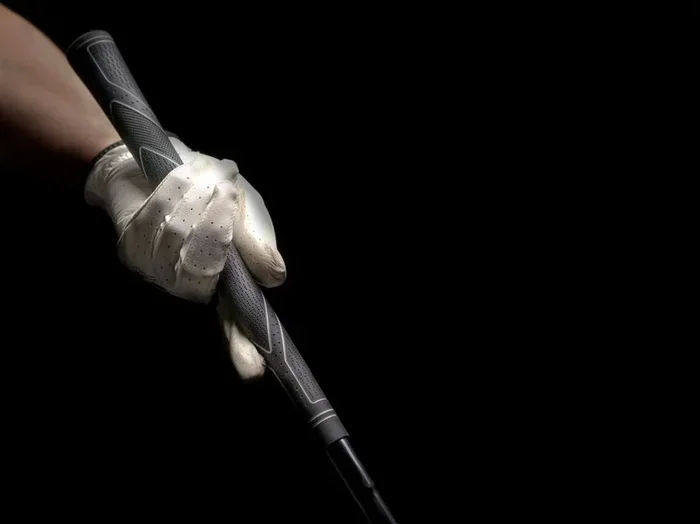
Hand placement driver position determines how the club face meets the ball. For the best golf grip for driver, your lead hand should sit high on the handle. The Vardon grip formed by your thumb and index finger should point toward your trailing shoulder. Your trail hand should wrap softly around the handle with the thumb pointing down the shaft. This setup promotes a neutral grip that allows a slight draw or straight ball flight. Avoid placing your hands too far down the handle. That reduces leverage and robs you of distance.
Grip Size and Its Role
Golf grip size might seem like a small detail, but it has a big impact. Too thick a grip forces your hands to work overtime to hold on. Too thin a grip lets the club twist in your hands at impact. The right grip size allows your fingers to wrap comfortably around the handle with a slight overlap. Standard grips work for most men. Women and players with smaller hands often benefit from midsize or undersize grips. You can also build up a grip with tape for a custom fit. The right grip size supports relaxed grip pressure and consistent hand placement driver position every single time.
Strong Grip vs Weak Grip for Driver
Grip strength refers to how your hands rotate on the club handle. A strong grip shows more knuckles on your lead hand. It promotes a draw or a hook. A weak grip shows fewer knuckles and encourages a fade or a slice. A neutral grip sits in the middle and works well for most players. So which is the best golf grip for driver for you? It depends on your swing and your goals.
If you tend to slice the ball, a slightly stronger grip strength can help close the club face at impact. If you hook the ball too much, a weaker grip can promote a controlled fade. Most amateur players benefit from a neutral grip as their starting point. From there, small adjustments let you fine-tune your ball flight. The key is to stay consistent. Change your grip strength only when you understand why you are making the change.
Strong Grip for Driver
A strong grip rotates both hands clockwise on the handle (for a right-handed player). This position promotes an in-to-out swing path and a right-to-left ball flight. It can add draw spin and help you fight a slice. Many powerful drivers on Tour use a strong grip to maximize distance and control. However, too strong a grip can cause hooks and duck hooks if not managed carefully.
Weak Grip for Driver
A weak grip rotates both hands counterclockwise. This opens the club face slightly and promotes a left-to-right ball flight. It works well for players who want a gentle fade or who struggle with hooks. The weak grip golf style can reduce the chance of hitting draws or hooks, but it may also limit your distance if it promotes a slice.
Common Grip Mistakes That Kill Distance
Even experienced golfers make grip errors that cost them yards. Here are the most common mistakes and how to fix them. These driver distance tips can make a real difference in your next round.
1. Gripping Too Tightly
This is the number one grip mistake. White-knuckling the club creates tension in your forearms and slows your driver swing speed. Relax your hands and hold the club firmly but gently.
2. Wrong Hand Placement
Placing your hands too far down the handle or too far up changes your leverage. It also affects your shaft lean and launch angle. Find the sweet spot where your hands feel natural and connected.
3. Ignoring Grip Size
Using the wrong grip size leads to discomfort and inconsistency. If your fingers overlap the palm too much or do not reach around, it is time to change your grip.
4. Rotating Hands During the Swing
Your hands should stay in the same position from setup through impact. Rotating them mid-swing changes the club face angle and ruins your ball flight. Keep your grip strength stable throughout the swing.
5. Copying a Tour Player Without Adjusting
Just because a Tour pro uses a certain golf grip does not mean it works for you. Hand size, swing speed, and grip pressure are all personal. Use Tour grips as inspiration, not as a copy-paste solution.
Expert Insight: Many top instructors agree that the best golf grip for driver is the one you can repeat 100 times without thinking. Consistency beats perfection every time. Focus on building a repeatable golf hand position and let the results follow.
Quick Tips to Improve Your Driver Grip Today
You do not need a lesson to improve your grip for driver. Small changes right now can make a big difference. Here are some practical driver distance tips you can use on your next visit to the range.
- Check your grip before every range session. Take 30 seconds to reset your hand placement driver position.
- Use a grip trainer or training aid. These tools help you feel the correct grip pressure and golf hand position.
- Practice with your eyes closed. This forces you to feel the club in your fingers instead of relying on visual cues.
- Replace worn grips regularly. Smooth or shiny grips reduce friction and control. Fresh golf club grip material makes a big difference.
- Experiment with grip size. Add or remove layers of tape to find your ideal grip size for the driver.
- Record your grip setup. Take a photo of your hands on the club and compare it to reference images of the best golf grip for driver.
Expert Insight: PGA coaches often tell their students that the best golf grip for driver is the one that feels boring. If your grip feels exciting or complicated, you are probably overthinking it. Simplicity and repeatability win the game of golf.
Key Takeaways:
- Your grip pressure should stay between 4 and 5 out of 10 for maximum speed and control.
- The interlocking grip, overlapping grip, and ten finger grip each serve different hand sizes and preferences.
- Grip size affects comfort, control, and grip strength throughout the round.
- A neutral grip is the best starting point for most amateur players.
- Avoid common mistakes like gripping too tight or rotating hands mid-swing.
- Small, consistent adjustments to your hand placement driver can add serious yards to your drives.
Conclusion
The best golf grip for driver is one that feels natural, stays consistent, and supports a powerful, relaxed swing. Your grip pressure, hand placement driver position, and grip size all work together to shape your ball flight and driver swing speed. There is no single perfect grip for every player. But by understanding the three main grip types, avoiding common mistakes, and making small adjustments, you can find your ideal setup. Start with a neutral grip, check your grip strength regularly, and keep your golf hand position stable through the swing. Apply these driver distance tips on the range and watch your drives become longer, straighter, and more consistent. The best golf grip for driver is the one you can trust shot after shot. Now go find yours and enjoy the results.
Frequently Asked Questions
What is the best golf grip for a driver if I slice the ball?
If you struggle with a slice, try a slightly stronger grip strength that shows more knuckles on your lead hand. A stronger grip for driver helps close the club face through impact and promotes a draw or straight ball flight. Combine this with relaxed grip pressure and proper hand placement driver for the best results.
How tight should I grip the driver?
Hold the driver at about a 4 or 5 out of 10 on the tightness scale. Your fingers should grip the handle firmly, but your forearms and shoulders should stay relaxed. Too much grip pressure kills driver swing speed and causes tension that travels up your body.
Does grip size really matter for driver distance?
Yes, grip size matters more than most golfers realize. A grip that is too thick forces your hands to work harder, reducing grip strength and speed. A grip that is too thin lets the club twist at impact. The right grip size supports consistent hand placement driver and better control through the swing.
Should beginners use the ten-finger grip for driver?
The ten finger grip is often the best starting point for beginners. It is easy to learn, feels natural, and gives beginners full control over the club. As your skills develop, you can experiment with the interlocking grip or overlapping grip to find what works best for your golf hand position and swing style.
How often should I replace my golf grip on the driver?
Replace your golf club grip when it feels slick, shiny, or hard. Most grips last between 40 and 80 rounds depending on how often you play and how much you sweat. Fresh golf club grip material restores friction and helps you maintain proper grip pressure without squeezing too hard.
Can changing my grip add yards to my driver?
Absolutely. Many golfers gain 10 to 20 yards just by fixing their grip for driver. A relaxed grip pressure allows faster club speed. Proper hand placement driver position promotes a square club face at impact. And the right grip size reduces tension in your hands and forearms. These small changes add up to noticeably longer drives.