All the Clubs in a Golf Set Explained for Beginners
Understanding all the clubs in a golf set is the first step to playing better golf. A standard golf bag holds 14 clubs, each designed for a specific purpose on the course. This guide breaks down drivers, fairway woods, hybrids, irons, wedges, and putters so beginners can build confidence and play smarter from day one.
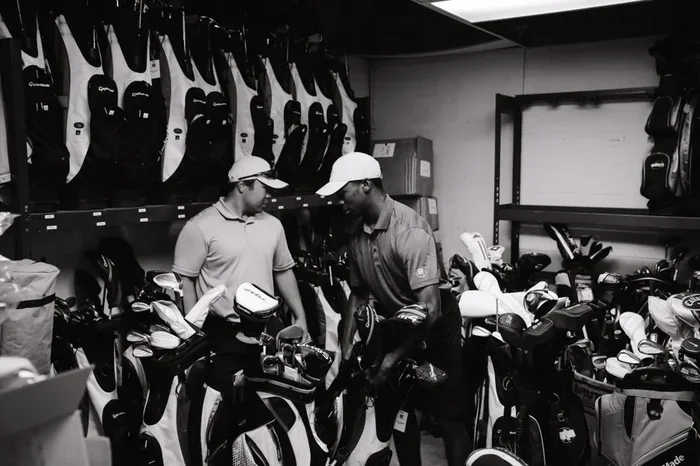
Walking into a golf shop for the first time can feel overwhelming. Rows of shiny golf clubs line the shelves, each one looking slightly different from the last. You might wonder, what do I actually need? The answer starts with understanding all the clubs in a golf set.
A standard golf bag holds up to 14 clubs, and each one serves a unique purpose. Some are built for raw distance. Others are designed for precision around the green. When you know what each club does, you make better decisions on the course. You swing with more confidence. You score lower. And most importantly, you enjoy the game more.
This guide breaks down every type of club in simple, beginner-friendly terms. We will cover drivers, fairway woods, hybrids, irons, wedges, and putters. By the end, you will know exactly what belongs in your bag and why. Let us dive in.
Key Takeaways
- A full golf set includes 14 clubs: drivers, woods, hybrids, irons, wedges, and a putter.
- Each club has a unique role: long clubs for distance, short clubs for precision.
- Beginners benefit from hybrid clubs: they replace hard-to-hit long irons with easier-to-use alternatives.
- The putter matters most for scoring: more strokes are saved on the green than anywhere else.
- Know the rules: you can only carry 14 clubs in your bag during a round.
- Club selection affects your golf swing: matching the right club to the shot improves accuracy and distance.
- Invest in quality grips and shafts: these small details make a big difference in comfort and control.
📑 Table of Contents
What Are All the Clubs in a Golf Set?
A golf club set is a collection of clubs chosen to help you play every type of shot on a golf course. Each club has a different shaft length, club head design, and loft angle. These differences determine how far the ball travels and how high it flies.
Golf clubs fall into five main categories:
- Drivers — the longest club for maximum distance off the tee.
- Fairway woods and hybrids — versatile clubs for long approach shots and rough situations.
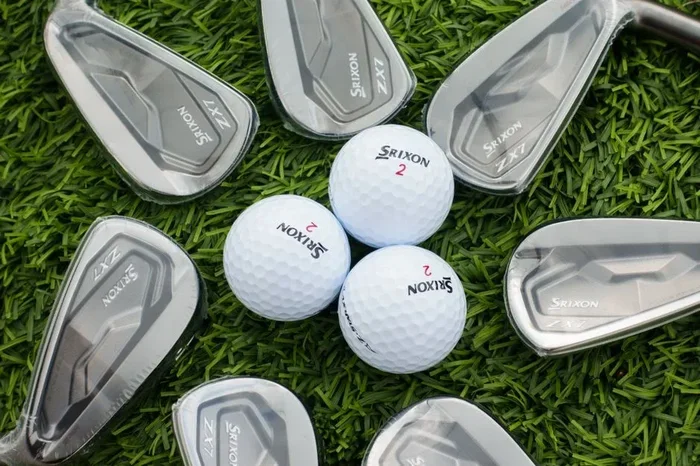
- Irons — the workhorse clubs used for a wide range of distances.
- Wedges — specialized short-game clubs for precision shots around the green.
- Putter — the club you use on the green to roll the ball into the hole.
Together, these categories cover every distance you will face during a round of golf. Understanding how they work is the foundation of a solid golf swing.
Why Club Selection Matters
Choosing the right club directly impacts your golf distance and accuracy. Using a driver when you need a 7-iron will send the ball wildly off target. Picking the wrong club for a short shot around the green can cost you extra strokes. Good players think about club selection before every single shot. It is one of the simplest ways to improve your golf scoring without changing your swing.
The Driver: Your Longest Distance Club
The driver is often the first club beginners want to learn about. It is the biggest club in the bag and the one designed to hit the ball the farthest. Also called a 1-wood, the golf driver has the lowest loft of any club, typically between 9 and 12 degrees.
You use the driver on every tee shot. Its long shaft and large club head generate maximum clubhead speed. That speed translates into distance. A beginner can expect to hit a driver between 200 and 240 yards, depending on swing speed and technique.
Key Features of a Driver
- Large club head: bigger sweet spot means more forgiveness on off-center hits.
- Long shaft: longer shafts create more speed but can be harder to control.
- Low loft: keeps the ball low and flying far through the air.
- Adjustable settings: many modern drivers let you change the loft and weight distribution.
Tips for Hitting a Driver as a Beginner
Do not swing the driver at full speed right away. Start with a comfortable tempo. Focus on making clean contact with the ball. A smooth, balanced swing will do more for your golf distance than trying to muscle the ball. Many beginners also benefit from using a lighter shaft or a senior flex golf shaft to generate speed more easily.
Fairway Woods and Hybrids for Versatility
Fairway woods and hybrids fill the gap between your driver and your long irons. These clubs help you hit accurate shots from the fairway, the rough, or even the tee box on shorter holes.
Fairway woods include the 3-wood, 5-wood, and sometimes a 7-wood. They have smaller club heads than drivers but still feature a rounded sole designed to glide through the turf. A 3-wood typically launches the ball 180 to 210 yards, making it a reliable choice for long approach shots.
Hybrid clubs combine the best features of woods and irons. They have a shallow club head like a wood but a shorter shaft and more loft like an iron. Hybrids are incredibly popular among beginners because they are much easier to hit than traditional long irons. The club head glides through thick rough and gets the ball airborne with less effort.
When to Use Fairway Woods vs. Hybrids
Use a fairway wood when you need maximum distance from the fairway or a tight lie. Use a hybrid when you are facing rough, an uneven lie, or when you want a more forgiving option. Many beginner golf club sets now replace long irons entirely with hybrids. This simple swap can dramatically improve your consistency.
| Club | Typical Distance | Best Used For |
|---|---|---|
| 3-Wood | 180-210 yards | Long fairway shots, tee shots on par-3s |
| 5-Wood | 170-200 yards | Approach shots, tight lies |
| Hybrid (3H) | 170-200 yards | Replacing 3-iron, rough, difficult lies |
| Hybrid (5H) | 160-190 yards | Replacing 5-iron, versatile approach shots |
Quick Tip: Build Your Bag Around Hybrids
If you are just starting out, consider replacing your 3-iron and 4-iron with hybrids. You will hit the ball higher and farther with less frustration. This is one of the best beginner golf club upgrades you can make.
Irons: The Workhorse of Your Bag
Irons are the most used clubs in any golf set. They cover distances from about 130 yards all the way up to 200 yards. Most standard iron sets include clubs numbered 3 through 9, plus a pitching iron.
Lower-numbered irons (3, 4, 5) have less loft and fly farther. Higher-numbered irons (7, 8, 9) have more loft and fly shorter distances with more accuracy. The golf loft of each iron determines the trajectory and distance of your shot.
Types of Irons
There are two main types of irons: cavity back and blade. Cavity back irons have a hollow space behind the club face. This design moves weight to the edges of the club head, creating a larger sweet spot. Blade irons have a solid, compact head and are favored by advanced players for their workability.
As a beginner, you should almost always choose cavity back irons. They are far more forgiving. Mis-hits still travel reasonably far and straight. Blade irons punish mistakes and are not ideal for someone still developing their golf swing.
Irons Distance Guide
- 3-Iron: 180-210 yards (often replaced by a hybrid)
- 4-Iron: 170-200 yards (hybrid replacement zone)
- 5-Iron: 160-190 yards
- 6-Iron: 150-180 yards
- 7-Iron: 140-170 yards
- 8-Iron: 130-160 yards
- 9-Iron: 120-150 yards
Keep in mind that these distances vary based on your swing speed, technique, and the specific golf shaft in each club. Use these numbers as a starting point and adjust as you learn your own game.
Wedges for Short Game Precision
Wedges are specialized irons designed for short, high-precision shots. They have the highest loft of any club in your bag, which sends the ball high into the air and stops it quickly on the green. Every golfer needs at least two wedges in their golf bag.
The Four Main Types of Wedges
Most golf equipment sets include or recommend these four wedges:
- Pitching Wedge (PW): Typically 44-48 degrees of loft. Used for approach shots from 100 to 130 yards. This is the most commonly used wedge.
- Gap Wedge (GW): Fills the distance gap between the pitching wedge and sand wedge. Loft ranges from 50-54 degrees.
- Sand Wedge (SW): Designed specifically for getting out of bunkers. Loft is typically 54-58 degrees. The wide sole helps the club glide through sand.
- Lob Wedge (LW): The highest-lofted club in the bag at 58-64 degrees. Used for short, high shots that stop quickly on the green.
Why Wedges Are a Scoring Club
Many beginners focus only on hitting long drives. But the truth is, your short game determines your score more than anything else. Getting up and down from around the green saves strokes. Hitting accurate wedge shots onto the green keeps your putts short. Practicing your wedge play is one of the fastest ways to lower your golf scoring.
The Putter: Your Scoring Club
The putter is the most important club in your bag when it comes to actually getting the ball into the hole. You will use it on every green, often multiple times per hole. A great putter can save you five or more strokes per round compared to a poor one.
Putters come in three main styles:
- Blade putters: Classic, slim design with a small club head. Best for players with a straight-back-and-through putting stroke.
- Mallet putters: Larger, heavier club head with more perimeter weighting. Offers more stability and forgiveness.
- Center-shaft putters: The shaft connects to the club head at the center. Promotes a consistent pendulum stroke.
Choosing the Right Putter
Grip comfort matters more than anything else when selecting a putter. Hold the golf grip and feel the weight of the club head. If it feels balanced and natural, it is a good fit. Your golf course performance depends heavily on your putting, so take time to find a putter you trust.
Quick Tips for Better Putting
- Keep your eyes directly over the ball.
- Use a smooth, rhythmic stroke rather than jerky movements.
- Practice short putts (3-6 feet) before every round.
- Focus on speed control, not just direction.
How Many Clubs Can You Carry?
The official rules of golf limit you to 14 clubs in your bag during a round. This rule exists to keep the game fair and prevent players from carrying every type of club available. Knowing this limit helps you make smart choices when building your set.
A common setup for a beginner looks like this:
- 1 Driver
- 1 3-Wood or 5-Wood
- 2 Hybrids (replacing 3-iron and 4-iron)
- 6-PW Irons (6, 7, 8, 9, pitching wedge)
- 3 Wedges (gap, sand, lob)
- 1 Putter
That totals 14 clubs. This balanced setup gives you distance, accuracy, and short-game versatility without overwhelming you with choices. As you gain experience, you can adjust your setup based on the types of shots you struggle with most.
Common Mistakes Beginners Make with Their Club Selection
- Carrying too many woods: Most beginners do not need both a 3-wood and 5-wood. A hybrid often does the job better.
- Skipping wedges: Without wedges, you have no clubs for short approach shots or bunker escapes.
- Ignoring the putter: The putter is not an afterthought. It is a scoring tool that deserves serious attention.
- Buying clubs based on looks: Choose clubs based on your skill level and swing speed, not their appearance.
Expert Insight: Build Your Set Over Time
You do not need to buy a full 14-club set on day one. Many golfers start with a half set and add clubs as they identify their weaknesses. A common starter set includes a driver, a hybrid, a 7-iron, a pitching wedge, a sand wedge, and a putter. Six clubs are enough to learn the fundamentals and build confidence on the course.
As you play more rounds, pay attention to which shots give you trouble. Do you struggle on long approach shots? Add a fairway wood. Do you keep finding the bunker? Make sure your sand wedge is in the bag. Building your set around your actual needs is the smartest approach to golf equipment.
Key Takeaways
- Know your 14-club limit: every club in your bag should earn its spot.
- Prioritize forgiveness: cavity back irons and hybrids help beginners hit better shots.
- Invest in your short game: wedges and a good putter save more strokes than any driver.
- Match clubs to your swing: shaft flex, grip size, and club weight all matter.
- Upgrade gradually: you do not need the best set right away. Grow into your equipment.
Conclusion
Understanding all the clubs in a golf set transforms the way you approach the game. Each club has a job to do, and knowing which club to reach for in every situation is a skill that separates good players from great ones. Start with the basics. Build a balanced set of 14 clubs that covers distance, accuracy, and the short game. Practice with each club until you know its distances and feels comfortable with its characteristics.
Golf is a game of patience and continuous improvement. Your golf club set is a tool, and the better you understand each tool, the better you will play. So grab your golf bag, head to the range, and start getting to know every club in your set. The fairways are waiting for you.
Frequently Asked Questions
What are the 14 clubs in a standard golf set?
A standard set includes a driver, fairway woods or hybrids, irons (typically 3 through 9 plus a pitching wedge), wedges (gap, sand, and lob), and a putter. Some players swap certain clubs based on personal preference and skill level, but the total cannot exceed 14 during a round.
Which clubs should a beginner prioritize in their golf bag?
Beginners should focus on a driver, 1-2 hybrids, a mid-range iron set (7 through pitching wedge), a sand wedge, and a putter. These clubs cover the most common shots you will face and help build confidence without overwhelming you with too many options.
Can I carry more than 14 clubs in my golf bag?
No. The official rules of golf limit each player to 14 clubs during a round. Carrying more than 14 results in a penalty of two strokes per hole, up to a maximum of four strokes per round. Always count your clubs before you tee off.
What is the difference between a hybrid club and an iron?
A hybrid club combines the design features of a wood and an iron. It has a shallower club head and a lower center of gravity, making it easier to launch the ball into the air. Traditional irons have a thinner club face and require more precise contact to get the ball airborne consistently.
How do I know which wedge to use for a short shot?
Use your pitching wedge for shots around 100-130 yards. Use your gap wedge for 80-100 yards. Use your sand wedge for bunker shots and approach shots around 60-90 yards. Use your lob wedge for very short, high shots that need to stop quickly on the green.
Does the putter really matter as much as the driver?
Yes, arguably even more so. The putter is the club you use on every green, and most strokes in a round happen within 10 feet of the hole. A good putter can save you multiple strokes per round, while a great driver only helps you on tee shots. Invest time in finding a putter that fits your stroke and feel.