Basics of a Golf Swing Your Complete Beginner Guide
Discover the basics of a golf swing in this beginner-friendly guide that covers grip, stance, backswing, downswing, and follow-through. You will learn simple drills, common mistakes to avoid, and expert tips that help you build a solid foundation on the course.
So you want to learn the basics of a golf swing? That is a great place to start. Golf can feel overwhelming at first. There are clubs, balls, rules, and a hundred different things to think about. But here is the truth. The golf swing is really just a series of simple movements. Once you understand the pieces, everything starts to click.
Whether you are stepping onto the course for the first time or you have been playing but your game feels stuck, this guide will help. We will walk through every part of the basics of a golf swing step by step. No jargon. No confusing terms. Just clear, practical advice that you can use right away.
The basics of a golf swing come down to a few key areas. Your grip, your stance, your backswing, your downswing, and your follow-through. Each one builds on the last. Get one part wrong and the whole thing falls apart. Get them right and you will see real improvement fast.
Key Takeaways
- Proper Grip: Your grip is the foundation of every swing. A neutral grip keeps the club face square and gives you control.
- Stance and Alignment: Setting your feet and body correctly prevents slices and hooks from the start.
- Backswing Basics: A smooth, controlled backswing creates the power and path you need for solid contact.
- Downswing and Weight Transfer: Shifting your weight properly generates speed and keeps the swing on plane.
- Follow-Through Matters: A full finish tells you everything about swing quality and ball contact.
- Practice Drills: Simple at-home drills build muscle memory faster than endless range sessions.
- Avoid Common Mistakes: Over-swinging, poor posture, and gripping too tight are the top errors beginners make.
📑 Table of Contents
- Why the Basics of a Golf Swing Matter So Much
- Grip: The Foundation of Every Swing
- Stance and Alignment: Setting Yourself Up for Success
- The Backswing: Building Power and Control
- Downswing and Weight Transfer: Where the Magic Happens
- Follow-Through and Finish: Completing the Swing
- Putting It All Together: Practice Tips That Work
- Common Mistakes That Hold Beginners Back
- Expert Insights on Building a Strong Golf Swing
- Final Thoughts on Mastering the Basics of a Golf Swing
Why the Basics of a Golf Swing Matter So Much
You might be tempted to skip the basics and just start swinging. I get it. Watching pros on TV makes it look easy. But here is the thing. Pros spend years perfecting the golf swing fundamentals. They started with the same basics you are about to learn.
When you skip the foundation, bad habits sneak in. And bad habits are hard to fix. Think of it like building a house. You need a solid base before you add walls. The basics of a golf swing are that base. They give you the control, consistency, and confidence to improve over time.
Another reason the basics matter is injury prevention. A poor golf swing mechanic can strain your back, shoulders, and wrists. Learning the right way early keeps you healthy and playing longer. Plus, a clean swing simply feels better. It feels smooth and natural instead of forced and jerky.
Grip: The Foundation of Every Swing
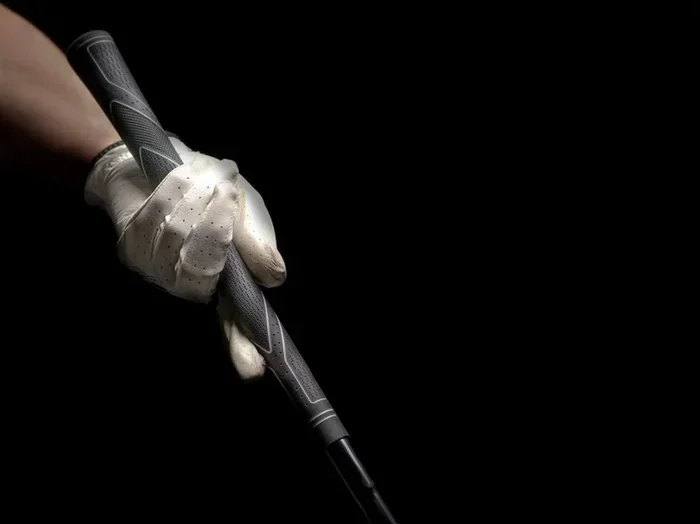
Let us start at the very beginning. Your golf grip is the only connection between you and the club. Everything starts here. If your grip is off, the rest of the golf swing will be off too.
How to Hold the Club Correctly
Place the club in your left hand first (for right-handed golfers). The grip should run across your fingers, not deep in your palm. Then wrap your right hand around and overlap or interlock your fingers. There are three common grips: the 10 finger grip, the overlapping grip, and the interlocking grip. Each one works. The key is comfort and control.
Check out our 10 Finger Grip In Golf guide for a deeper dive into this fundamental hold. A neutral grip keeps the club face square at impact. That means fewer wild shots and more fairways hit.
Common Grip Mistakes Beginners Make
- Gripping too tightly: This creates tension in your arms and slows your swing speed.
- Weak grip: Rotating your hands too far left (for righties) causes slices.
- Strong grip: Rotating too far right leads to hooks.
- Hiding the grip in your palms: This reduces control and feel.
Take your time with the grip. It might feel awkward at first. That is normal. Practice holding the club correctly at home. Even five minutes a day builds the right muscle memory.
Stance and Alignment: Setting Yourself Up for Success
Once you have your grip down, it is time to set up properly. Your golf stance and golf alignment are the next pieces of the puzzle. A great setup makes a great swing much easier.
Feet Position and Width
Stand with your feet shoulder-width apart for full swings. For shorter shots like chips, narrow your stance a bit. Point your lead foot slightly toward the target. This open stance helps with rotation and balance.
Your golf posture matters too. Bend slightly from the hips, not the waist. Keep your back straight and your knees soft. Think athletic, not stiff. Good posture lets you rotate freely through the swing.
Alignment Tips That Actually Work
Imagine two railroad tracks. One track points at your target. The other runs parallel along your feet. Your feet, hips, and shoulders should all align along that second track. This is called parallel alignment. It keeps your golf swing path on track.
Use a club on the ground to check your alignment at the range. It is a simple drill that makes a huge difference. Many beginners aim left or right without even knowing it. Fixing alignment alone can clean up your shots fast.
The Backswing: Building Power and Control
The golf backswing is where you set up your power. It is the first half of the swing, and it determines the path your club will take down. A smooth, controlled backswing is the goal.
What a Proper Backswing Looks Like
Start by turning your shoulders away from the target. Let your arms rise naturally. The club should reach a point where your left arm is roughly parallel to the ground. Your weight should shift to your right side (for right-handed golfers).
Keep your head steady and your eye on the ball. Do not lift your chin or tilt your spine too far. A clean golf swing plane starts with a proper backswing. Think of it as a winding motion, not a lifting motion.
Backswing Tips for Beginners
- Keep it slow: Rushing the backswing throws off timing.
- Maintain wrist hinge: Hinging your wrists creates leverage for more speed.
- Turn, do not slide: Your hips should rotate, not shift laterally.
- Stay balanced: If you lose balance, you are over-swinging.
The backswing is not about power. It is about position. Get the positions right and the power will follow naturally.
Downswing and Weight Transfer: Where the Magic Happens
The golf downswing is where speed is created. It is the transition from the top of the backswing to impact. This is the part that generates distance and accuracy.
Starting the Downswing Correctly
Many beginners start the downswing with their arms. That is a mistake. The downswing should start with your lower body. Shift your weight to your lead foot and rotate your hips toward the target. Your arms and hands follow naturally.
This golf weight transfer is crucial. Without it, you lose power and consistency. Think of it as a chain reaction. Hips lead, then shoulders, then arms, then the club. This sequence creates a smooth, powerful golf swing tempo.
The Role of Rotation in Your Swing
Rotation drives the golf swing. Your torso should unwind through the downswing, pulling the club through the hitting zone. Proper golf rotation also helps you maintain the correct golf swing plane throughout the motion.
Work on your golf swing mechanics by practicing slow-motion swings at home. Focus on the sequence of movements. Speed comes later. First, you need the right order.
Follow-Through and Finish: Completing the Swing
The golf follow-through is often overlooked by beginners. But it tells you everything about your swing quality. A full, balanced finish means you made good contact and stayed on plane.
What a Good Finish Looks Like
After impact, your body should continue rotating toward the target. Your chest faces the target, your weight is on your lead foot, and your back foot is up on its toe. The club finishes high over your shoulder. This is a complete, balanced finish.
If you fall backward, lean forward, or feel off-balance, something went wrong in the swing. Use the finish as a diagnostic tool. It gives you honest feedback about your golf swing fundamentals.
Why Follow-Through Matters for Consistency
A full follow-through keeps the golf swing path consistent. It also reduces tension and prevents injury. When you stop your swing early, you create deceleration and mishits. Let the swing finish naturally and trust the process.
Think about the basics of a golf swing as one continuous motion. There is no separate grip, stance, backswing, downswing, and follow-through. It is all one flowing movement. The more you practice it as a unit, the more natural it feels.
Putting It All Together: Practice Tips That Work
Now that you know the pieces, how do you put them together? Practice is the answer. But smart practice, not just hitting balls mindlessly.
Drills to Build Your Swing
- Grip check drill: Hold the club in front of you and check that the club face is square. Adjust your hands until it is.
- Alignment stick drill: Place a stick on the ground parallel to your target line. Practice setting up over it every time.
- Half-swing drill: Practice taking the club back to waist height and through to waist height. This builds tempo and control.
- Mirror drill: Stand in front of a mirror and check your posture, grip, and alignment before every swing.
Equipment That Supports Your Learning
You do not need expensive gear to learn the basics of a golf swing. But the right equipment helps. Start with a comfortable set of clubs that fit your body and skill level. If you are on a budget, check out 2nd Hand Titleist Golf Clubs for quality options at a fraction of the price.
For balls, consider the 2 Piece Vs 3 Piece Golf Ball comparison to understand which type suits your swing speed and skill level. And when you are ready to organize your gear, a proper 14 Club Golf Bag Setup ensures you have the right clubs accessible for every shot.
How Often Should You Practice?
Consistency beats intensity. Three short practice sessions per week are better than one long session. Focus on one element at a time. Work on your grip for a week, then add stance, then backswing, and so on. Building the basics of a golf swing takes patience.
Common Mistakes That Hold Beginners Back
Everyone makes mistakes when learning the golf swing. The key is knowing what to avoid so you do not build bad habits.
- Over-swinging: Swinging too hard sacrifices control and accuracy. Smooth beats fast every time.
- Lifting the head: This causes topped shots and inconsistent contact. Keep your head steady through impact.
- Ignoring the short game: Putting and chipping are half the game. Do not neglect them.
- Practicing without a plan: Random range sessions do not build skills. Have a goal for every practice.
- Comparing yourself to others: Progress is personal. Focus on your own improvement.
Avoid these traps and your golf swing will improve steadily. Remember, every golfer was a beginner once. The ones who succeed are the ones who master the fundamentals early.
Expert Insights on Building a Strong Golf Swing
Professional instructors agree on one thing. The basics of a golf swing are the same for every level of golfer. Whether you are a beginner or a seasoned player, the fundamentals do not change. Grip, stance, alignment, rotation, and tempo form the backbone of every great golf swing.
Top coaches emphasize the importance of simplicity. The best golf swing mechanic is the one you can repeat consistently. Do not add too many thoughts to your swing. Pick one or two focus points and let the rest happen naturally.
Another expert tip is to record your swing. Use your phone to film yourself at the range. Watching the video reveals things you cannot feel in the moment. You will spot alignment issues, posture problems, and timing flaws that you would never notice otherwise.
Finally, do not underestimate the power of patience. The basics of a golf swing take time to master. Progress is not always linear. Some days feel great, others feel terrible. Trust the process and keep showing up.
Final Thoughts on Mastering the Basics of a Golf Swing
The basics of a golf swing are your roadmap to a better game. Grip, stance, backswing, downswing, and follow-through. Each element plays a vital role. Master them one at a time and you will build a swing that is reliable, powerful, and consistent.
Remember that every expert was once a beginner. The difference is that they took the time to learn the golf swing fundamentals properly. You can do the same. Start with the basics, practice with purpose, and enjoy the journey.
Golf is a game of lifelong learning. There is always room to improve. But with a solid foundation in the basics of a golf swing, you are already ahead of the game. Get out there, enjoy the process, and watch your scores drop.
Frequently Asked Questions
What are the basics of a golf swing for absolute beginners?
The basics of a golf swing start with the grip, stance, and alignment. Once those are set, you focus on the backswing, downswing, and follow-through. Master each piece slowly and the full swing will come together naturally.
How long does it take to learn the basics of a golf swing?
Everyone learns at a different pace. Most beginners see noticeable improvement within a few weeks of consistent practice. The key is to practice the golf swing fundamentals regularly rather than trying to fix everything at once.
What grip should I use for the basics of a golf swing?
A neutral grip works best for most beginners. It keeps the club face square and reduces slices and hooks. Check out our guide on 10 Finger Grip In Golf if you want to explore this hold in more detail.
Can I learn the basics of a golf swing at home?
Absolutely. You can practice grip, posture, and alignment at home. Slow-motion swings and mirror drills are great ways to build the right golf swing mechanics without needing a course. Then take what you learned to the range.
What equipment do I need to practice the basics of a golf swing?
You need a comfortable set of clubs, golf balls, and a glove. If you are looking for affordable options, 2nd Hand Titleist Golf Clubs offer great value. Understanding the right ball for your game, like the insights in our 2 Piece Vs 3 Piece Golf Ball guide, also helps your practice sessions.
Why does my golf swing feel awkward when I first start?
It is completely normal. The basics of a golf swing involve coordinating many body parts at once. Awkwardness fades as muscle memory builds. Focus on one element at a time and stay patient with the process.
=== CONCLUSION ===
The basics of a golf swing are the building blocks of every great round of golf. From your grip to your finish, each part plays a role in creating a consistent, powerful swing. Master these fundamentals and you will see real improvement on the course. Start today, practice with purpose, and enjoy every step of the journey.