Beginner Golf Lessons for Adults Your Complete Guide
Beginner golf lessons for adults are the fastest way to build a strong foundation on the course. This guide covers everything from finding the right instructor and essential gear to mastering your first swing and understanding basic golf etiquette. Whether you are picking up a club for the first time or returning after years away, you will find practical advice to help you learn with confidence and avoid common mistakes.
Stepping onto a golf course for the first time as an adult can feel intimidating. The fairways stretch out in every direction, other players seem to know exactly what they are doing, and the sheer variety of clubs in a golf bag can be overwhelming. But here is the good news: beginner golf lessons for adults are designed to take all that confusion and turn it into confidence.
Golf is one of the most rewarding sports you can pick up at any age. Unlike many high-intensity sports, golf lets you learn at your own pace. You do not need to be young, athletic, or experienced. All you need is the right guidance, a willingness to learn, and a bit of patience with yourself. Adult golf instruction has grown tremendously in recent years, with dedicated programs tailored specifically for people who are starting from scratch.
In this guide, we will walk you through everything you need to know about getting started with golf lessons. From finding a great local school to understanding what to wear and how to practice, we have you covered. Let us dive in and help you take that first step toward becoming a confident golfer.
Key Takeaways
- Start with the right instructor: Look for certified coaches who specialize in adult beginner golf lessons to build proper fundamentals from day one.
- Essential gear matters: Proper shoes, comfortable pants, and the right clubs make a huge difference in your learning experience.
- Focus on basics first: Grip, stance, and posture are the building blocks of a consistent golf swing.
- Practice smart: Use the driving range before hitting the course, and set realistic goals for each practice session.
- Learn etiquette early: Understanding golf rules and course behavior helps you feel confident and respect other players.
- Save money with promo codes: Many golf schools and lesson providers offer discounts that make beginner instruction more affordable.
📑 Table of Contents
- Why Beginner Golf Lessons for Adults Matter
- Finding the Right Golf Lesson Program
- Essential Gear for Beginner Golfers
- Mastering the Basics: Grip, Stance, and Swing
- Golf Etiquette and Rules Every Beginner Should Know
- Practical Tips to Accelerate Your Learning
- Common Mistakes Beginner Golfers Make
- Conclusion
Why Beginner Golf Lessons for Adults Matter
Many adults try to learn golf on their own by watching videos or hitting balls at the range. While self-practice has its place, it often leads to bad habits that are hard to fix later. Beginner golf lessons for adults give you a structured path to learning the correct techniques from the start.
When you work with a qualified instructor, you get personalized feedback that no YouTube video can provide. A good coach watches your swing, identifies issues early, and gives you drills tailored to your body type and learning style. This personalized attention accelerates your progress and keeps you from developing swing faults that could hold you back for years.
The Cost of Learning Golf Without Lessons
Skipping lessons might seem like a money-saving move, but it often costs more in the long run. Poor habits lead to inconsistent scores, frustration, and eventually giving up on the game. Investing in proper adult golf instruction early on saves you time, money, and a lot of headaches down the road.
Who Can Benefit From Adult Beginner Golf Lessons
These lessons are not just for people who have never touched a golf club. They also help adults who played casually years ago and want to return to the game with better fundamentals. Whether you are a complete novice or a rusty former player, a structured learning environment meets you where you are.
Finding the Right Golf Lesson Program
Not all golf lesson programs are created equal. Finding the right one for your needs, budget, and schedule is an important first step. Here is how to go about it.
What to Look for in a Golf School
Start by checking if the instructors are certified. Organizations like the PGA and LPGA certify golf professionals who have undergone rigorous training. When you visit a school or facility, look for a welcoming atmosphere. The best programs for beginner golf lessons for adults create a comfortable environment where questions are encouraged and no one feels rushed.
Location matters too. You want a facility that is convenient enough that you will actually go back for repeat lessons. For example, if you live in Texas, a place like 2nd Swing Golf The Colony offers beginner-friendly programs with experienced coaches who understand how adult learners progress.
Group vs Private Lessons
Group lessons are typically more affordable and offer a social atmosphere. They work well for people who enjoy learning alongside others and do not mind sharing the instructor’s attention. Private lessons, on the other hand, give you one-on-one coaching time. This format is ideal if you want rapid improvement or feel self-conscious about your skills in a group setting.
Many beginners start with a few group sessions to learn the basics and then transition to private lessons for more focused work. This combination gives you the best of both worlds.
What to Expect From Your First Lesson
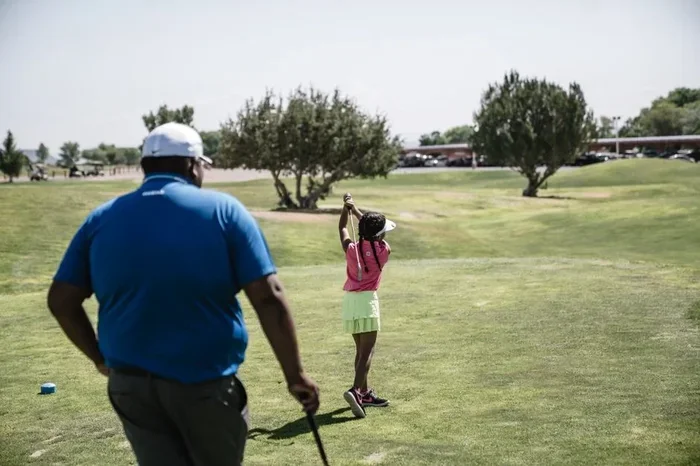
Your first lesson will usually start with a brief assessment of your current skill level. The instructor will ask about your goals and any physical limitations you might have. Then you will move to the range or practice area where you will work on basic grip, stance, and posture.
Do not expect to hit perfect shots right away. Your first lesson is about building awareness and learning the correct foundations. Most instructors also cover basic golf etiquette so you feel prepared when you step onto a course for the first time.
Essential Gear for Beginner Golfers
You do not need the most expensive equipment to start learning golf, but having the right gear makes a real difference in your comfort and progress. Here is what you need to know before buying anything.
Choosing the Right Golf Clubs
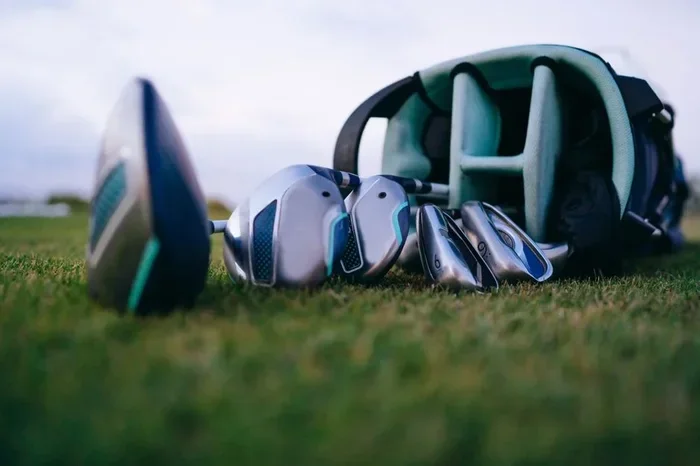
As a beginner, you do not need a full set of premium clubs. A basic driver, a few irons, a wedge, and a putter will get you through your first few months of learning. Many golf schools offer club rentals during lessons, so you can try different brands before committing to a purchase.
When you are ready to buy, look for clubs designed for forgiveness. These clubs have larger sweet spots and help compensate for off-center hits, which are very common when you are just starting out.
What to Wear to Golf Lessons
Comfort is key when you are learning golf. You want clothing that allows a full range of motion in your arms and hips. For men, Adidas golf pants for men are a popular choice because they offer stretch, breathability, and a clean look that fits most golf course dress codes. Pair them with a moisture-wicking polo and you are set.
Footwear is equally important. Proper golf shoes give you stability during your swing. Adidas golf shoes Tech Response are a great option for beginners because they provide solid support and are designed for comfort during long practice sessions.
Other Must-Have Accessories
- Golf gloves: A good glove improves your grip and prevents blisters.
- Golf tees: You will need plenty of tees for practice rounds.
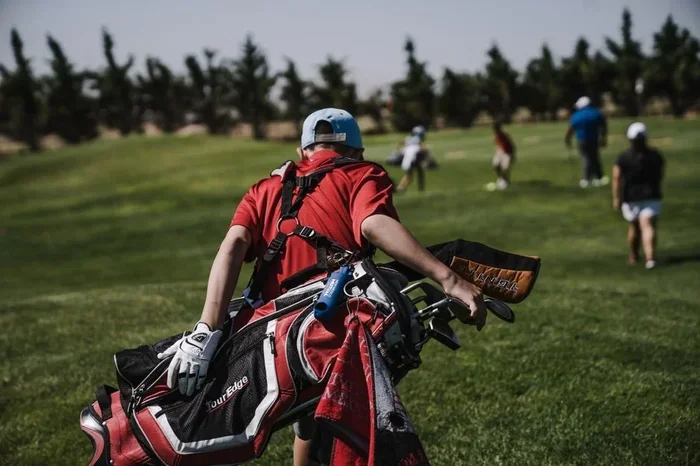
- A golf bag: Even a basic stand bag makes carrying your clubs much easier.
- A rangefinder or scorecard holder: These small tools help you stay organized on the course.
Mastering the Basics: Grip, Stance, and Swing
Every great golfer starts with the fundamentals. Your instructor will spend significant time on three core areas: grip, stance, and swing mechanics.
The Golf Grip
Your grip is the only connection between your body and the club. Getting this right early on sets you up for success. There are three common grip styles: the overlapping grip, the interlocking grip, and the baseball grip. Your instructor will help you find which one suits your hand size and comfort level best.
A common mistake among beginners is gripping the club too tightly. This creates tension in your arms and restricts your swing. Think of holding a bird, firm enough so it does not fly away but gentle enough not to hurt it.
Proper Stance and Posture
Your stance is the foundation of every shot. Stand with your feet shoulder-width apart, knees slightly bent, and your weight balanced evenly. Your posture should be relaxed but athletic, with a slight bend forward from the hips.
Good posture allows you to rotate freely through the swing. If you stand too stiff or too upright, you will lose power and consistency. Your instructor will spend time adjusting your stance until it feels natural and repeatable.
The Basic Golf Swing
The golf swing is a complex motion, but it breaks down into three phases: the backswing, the downswing, and the follow-through. During your first lessons, your instructor will focus on making these movements smooth and coordinated rather than powerful.
Remember that every golfer’s swing is slightly different. Do not try to copy a professional tour player right away. Focus on building a swing that is comfortable and consistent for your body. Over time, with regular practice, your technique will naturally improve.
Golf Etiquette and Rules Every Beginner Should Know
Golf is a unique sport because it relies heavily on self-policing and respect for others. Learning basic etiquette before you step onto a course shows respect for fellow players and makes the game more enjoyable for everyone.
Basic Golf Etiquette Rules
- Arrive early: Get to the course at least 15 minutes before your tee time to warm up and prepare.
- Keep up the pace: Do not spend too much time on any one shot. Be ready to hit when it is your turn.
- Repair the course: Fill divots, rake bunkers, and fix ball marks on the green after your round.
- Stay quiet during swings: Stand still and avoid talking when someone is about to hit.
- Dress appropriately: Follow the course dress code, which usually requires collared shirts and proper golf shoes.
Understanding Basic Golf Rules
You do not need to memorize every rule in the official rulebook as a beginner. However, knowing the basics will help you navigate the course with confidence. Key rules include understanding how to count strokes, knowing when to take a penalty stroke, and learning the difference between out of bounds and water hazards.
Many beginner-friendly courses and driving ranges offer simplified rule sheets for new players. Take advantage of these resources. They make learning the game much less overwhelming.
Practical Tips to Accelerate Your Learning
Taking lessons is only part of the equation. How you practice between sessions determines how fast you improve. Here are some proven strategies to make the most of your learning journey.
Set Realistic Goals
Instead of aiming to break 80 in your first month, set smaller, achievable goals. Maybe your goal is to consistently hit the ball straight off the tee or to learn the proper grip within two weeks. Small wins build momentum and keep you motivated.
Practice Smart, Not Just Often
Quality practice beats quantity every time. Spend 15 minutes on each area of your game rather than hitting 100 balls aimlessly. Focus on one skill at a time, such as short putting or chip shots near the green. This focused approach helps your brain and muscles learn more efficiently.
Play as Often as You Can
The best way to improve is to play actual golf. Even if you are not ready for a full 18-hole round, start with 9 holes or play from the forward tees. Getting on the course regularly helps you apply what you learn in lessons to real-game situations.
Save Money on Lessons and Gear
Golf lessons and equipment can add up, but there are smart ways to keep costs down. Many golf schools offer introductory packages or seasonal promotions. For instance, checking for a 2nd Swing Golf promo code can help you save on lessons or equipment at participating facilities.
Also, consider buying used clubs when you are first starting out. You do not need brand-new equipment to learn the game. As your skills improve, you can gradually upgrade your gear.
Common Mistakes Beginner Golfers Make
Being aware of common pitfalls can save you a lot of frustration. Here are mistakes that many adult beginners make and how to avoid them.
- Trying to hit the ball too hard: Power comes from technique, not force. Focus on a smooth, controlled swing rather than swinging for the fences.
- Neglecting the short game: Putting and chipping account for a huge portion of your score. Spend at least 30 percent of your practice time on the short game.
- Skipping warm-ups: Cold muscles are more prone to injury. Always take a few minutes to stretch and hit some easy shots before your round.
- Comparing yourself to others: Everyone learns at their own pace. Focus on your own progress and celebrate small improvements.
- Ignoring fitness: Golf requires flexibility and core strength. Simple stretching and strength exercises can dramatically improve your swing and endurance.
Conclusion
Starting your golf journey as an adult is one of the best decisions you can make for your health, social life, and personal growth. Beginner golf lessons for adults provide the structure, guidance, and confidence you need to learn the game correctly and enjoy it for years to come. From finding the right instructor and gear to mastering the fundamentals and understanding course etiquette, every step you take brings you closer to becoming a skilled and passionate golfer.
Remember that every expert golfer was once a beginner. Be patient with yourself, stay consistent with your practice, and most importantly, have fun. The golf course is a place of challenge and reward, and there is no better time to start than right now.
Frequently Asked Questions
How many beginner golf lessons does an adult need before playing on a course?
Most adults benefit from 4 to 6 lessons before feeling comfortable on a full course. However, everyone learns at a different pace. Some people pick up the basics quickly, while others prefer more time on the range. Your instructor can recommend the right number based on your progress.
What is the best age to start taking golf lessons as an adult?
There is no best age. Golf is a sport that people of all ages can enjoy and improve at. Whether you are in your twenties or seventies, adult beginner golf lessons are designed to meet you at your current fitness level and skill set.
How much do beginner golf lessons for adults typically cost?
Costs vary depending on location, instructor credentials, and lesson format. Group lessons typically range from $50 to $100 per session, while private lessons can run $100 to $200 or more per hour. Many schools offer package deals that bring the per-lesson cost down significantly.
Do I need to buy expensive golf clubs before starting lessons?
No. Most beginner lessons allow you to use rental clubs at the facility. Wait until you have completed a few lessons and know what type of clubs suit your swing before making a purchase. This saves you money and ensures you invest in the right equipment.
Can I learn golf effectively as a complete beginner with no athletic background?
Absolutely. Golf is a skill-based sport that relies more on technique and patience than raw athleticism. Many successful golfers started late in life with no prior sports background. The key is consistent practice and quality instruction.
What should I wear to my first golf lesson?
Wear comfortable, flexible clothing that allows a full range of motion. Athletic pants or golf pants, a breathable polo shirt, and flat-soled shoes are ideal. You do not need golf-specific attire for your first lesson, but avoid jeans or restrictive clothing that limits your movement.