Best Beginner Frisbee Golf Discs To Start Playing Today
The best beginner frisbee golf discs are easy to throw, stable in flight, and forgiving of mistakes. This guide breaks down the top picks across putters, midranges, and drivers so you can build a solid starter set without spending a fortune. You will learn what makes a disc beginner-friendly, which brands lead the market, and how to choose the right discs for your style.
Starting disc golf can feel overwhelming. There are so many discs on the shelf, each with different numbers, colors, and names. But here is the good news: picking the best beginner frisbee golf discs does not have to be complicated. With the right discs in your bag, you can learn the game faster, throw farther, and actually enjoy every round you play.
Disc golf has grown incredibly fast over the last few years. More courses are popping up in parks and neighborhoods across the country. The sport is affordable, fun, and easy to pick up. But your experience depends a lot on the gear you start with. Using the wrong discs can frustrate you and slow your progress. That is exactly why this guide exists.
In this article, we will walk you through everything you need to know about choosing your first discs. We will cover the three main disc types, share our top picks, and give you practical tips to avoid common beginner mistakes. By the end, you will feel confident walking into a shop or clicking “Add to Cart” on your first set of best beginner frisbee golf discs.
Key Takeaways
- Start with a putter and midrange: These two disc types give you the most control and accuracy as a new player.
- Look for understable or stable discs: They resist turning over and are much easier to throw straight.
- Innova and Discraft make great starter discs: Both brands offer affordable, durable options for beginners.
- Speed rating matters more than you think: Lower speed discs (speed 1-7) are far easier to control for new players.
- Build your set gradually: You do not need five discs right away. Start with two or three and expand over time.
- Practice your throwing form first: Even the best beginner frisbee golf discs will not help if your technique needs work.
- Budget-friendly options exist: You can get a solid starter set for under $50.
📑 Table of Contents
- What Are Frisbee Golf Discs and Why Does It Matter for Beginners
- The Three Main Disc Types You Need to Know
- Top 5 Best Beginner Frisbee Golf Discs to Buy Right Now
- How to Choose Your First Disc Set
- Common Mistakes Beginners Make with Disc Golf
- Tips to Improve Your Game Fast
- Final Thoughts on the Best Beginner Frisbee Golf Discs
What Are Frisbee Golf Discs and Why Does It Matter for Beginners
Disc golf uses specialized discs instead of balls and clubs. Each disc is designed for a specific purpose, and the way it flies depends on its shape, weight, and plastic type. Understanding these basics will help you make smarter purchases from day one.
The four key flight ratings are speed, glide, turn, and fade. Speed measures how fast the disc must spin to fly properly. Glide measures how well it stays airborne. Turn describes how much the disc curves to the right for a right-handed thrower. Fade is how much it hooks left at the end of its flight. These numbers can look confusing at first, but they become second nature once you understand them.
When you are starting out, you want discs that are predictable and easy to control. A disc with a low speed rating and a stable or slightly understable flight path will serve you well. These beginner disc golf set essentials give you room to learn without fighting the disc every throw.
How Discs Are Different From Regular Frisbees
A regular frisbee is wide, thin, and designed for short, casual throws at the park. Disc golf discs are narrower, deeper, and built for distance and accuracy over long distances. They come in different profiles and flight ratings that tell you exactly how they will behave in the air.
The depth of a disc golf disc creates more glide and stability. This is why a disc golf putter can fly straight for 100 feet while a regular frisbee starts wobbling after 30 feet. The design difference is significant, and it matters a lot when you are trying to hit targets consistently.
The Three Main Disc Types You Need to Know
Before you buy anything, you need to understand the three main categories of discs. Each one serves a different purpose on the course, and beginners need at least two of the three to get started.
Putter Discs: Your Go-To for Accuracy
Putter discs are the most important discs for beginners. They are slow, stable, and designed for short, precise throws. Most players use putters for shots within 30 to 50 feet of the basket. They are also great for learning proper throwing form because they do not require a lot of power.
A good putter will feel comfortable in your hand and fly straight with minimal curve. Look for discs with a speed rating of 1 to 4. These are the easiest to control and will help you build confidence early on. The Innova Aviar is a perfect example of a putter that has been a staple in beginner disc golf sets for decades.
Midrange Discs: The Versatile Middle Ground
Midrange discs bridge the gap between putters and drivers. They have a slightly faster speed and more glide than putters, making them perfect for approach shots and shorter drives. Many experienced players say midranges are the most important disc in their bag.
For beginners, a midrange disc with a speed rating of 4 to 6 is ideal. It gives you enough distance without being hard to control. Midranges are forgiving and predictable, which is exactly what you want when you are starting out. The Discraft Buzzz is one of the most popular midrange discs for new players, and for good reason.
Driver Discs: Building Distance Early On
Drivers are the fastest discs and are designed for long shots. They come in two main types: distance drivers and fairway drivers. Distance drivers are fast and hard to control, so beginners should stay away from them at first.
Fairway drivers, also called control drivers, are a better starting point. They have a lower speed rating (7 to 9) and are more manageable. An understable fairway driver can actually help new players achieve longer throws without needing perfect technique. The Discraft Mojo is a great example of a forgiving fairway driver that works well for beginners.
Top 5 Best Beginner Frisbee Golf Discs to Buy Right Now
Now that you know what to look for, here are our top picks for the best beginner frisbee golf discs. These discs are affordable, durable, and easy to throw. They have been tested by real players and recommended by disc golf pros around the world.
| Disc Name | Type | Speed | Why It Works for Beginners |
|---|---|---|---|
| Innova Aviar | Putter | 2 | Extremely stable, great for learning putts and short approaches |
| Discraft Buzzz | Midrange | 5 | Versatile, predictable flight, works for all skill levels |
| Innova Leopard | Midrange | 6 | Understable design helps new players achieve distance easily |
| Discraft Mojo | Fairway Driver | 7 | Slight understability makes it forgiving on off-target throws |
| Innova Teebird | Fairway Driver | 7 | Stable and reliable, great for building consistent drives |
These five discs form a solid starter set. With a putter, a midrange, and a fairway driver, you will have everything you need to play your first rounds. You can always add more discs as you improve and discover your preferences.
Quick Tip: Buy discs in the same plastic brand when starting out. This helps you understand how different weights and molds feel in your hand. Once you know your preferences, you can branch out to other brands and models.
Another helpful tip is to start with a lighter disc. Lighter discs (around 150 to 165 grams) are easier to throw for beginners. They require less arm speed and are more forgiving on off-center throws. As you build strength and technique, you can gradually move to heavier discs.
How to Choose Your First Disc Set
Buying your first set of discs does not need to break the bank. Most starter sets cost between $30 and $60. The key is to focus on quality over quantity. Here is a simple guide to building your first bag the smart way.
Start with two putters and one midrange disc. This gives you plenty of options for short game shots and approach throws. Once you feel comfortable with those three discs, add a fairway driver to your collection. Resist the urge to buy distance drivers right away. They are tempting, but they will only frustrate you during your first few months on the course.
Also, pay attention to the disc golf plastic types. Basic plastics like DX, Pro-D, or Baseline are affordable and durable. They may not feel premium, but they are perfect for learning. You will be dropping discs, hitting trees, and leaving them on the ground. Cheap plastics can handle that abuse without cracking or breaking.
Expert Insight: Many professional disc golfers started with just three or four discs. They did not need the newest, most expensive equipment. Focus on developing your throwing technique before investing in premium gear. The best beginner frisbee golf discs are the ones that help you learn, not the ones with the flashiest packaging.
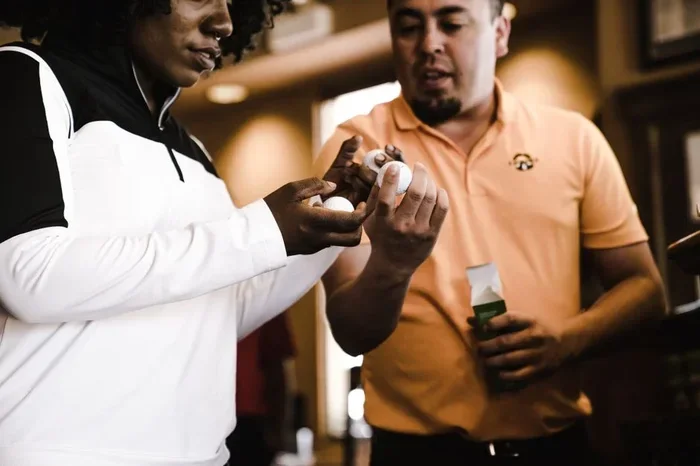
When choosing your first set, visit a local shop if possible. Holding a disc in your hand gives you a sense of its weight, rim width, and overall feel that you cannot get from a website. Talk to the staff. They are usually passionate players who love helping newcomers find the right gear.
Common Mistakes Beginners Make with Disc Golf
Every beginner makes mistakes. The good news is that most of them are easy to avoid if you know what to watch out for. Here are the most common errors new players make when choosing and using their discs.
Buying discs that are too fast. This is the number one mistake. New players often pick up distance drivers because they want to throw far. But a high-speed disc requires proper form and arm speed to fly correctly. Without that, the disc will turn over, hook badly, or just fall out of the sky. Stick to putters and midranges until your arm speed catches up.
Ignoring the stability rating. Overstable discs are harder to throw for beginners because they resist turning. Understable discs, on the other hand, are much more forgiving. They will help you achieve longer throws even with imperfect technique. A stable or slightly understable disc is your best friend during the first few months.
Buying too many discs too soon. It is tempting to fill up your basket with dozens of discs. But you really only need a few to start. Focus on mastering a small set of best beginner frisbee golf discs before expanding your collection. Quality practice with a few discs beats random throwing with a full bag.
Skipping practice throws. Throwing a disc on the course is different from throwing in your backyard. Spend time at a local field or park working on your form before you play a full round. This will save you a lot of frustration and help you see real improvement faster.
Not visiting a local disc golf course. Many courses let you test discs before you buy. Visit a course, talk to other players, and try different discs. This hands-on experience is invaluable and will help you make better buying decisions than reading reviews alone ever could.
Tips to Improve Your Game Fast
Once you have your discs, the next step is to improve your skills. Here are some practical tips that will help you progress quickly and enjoy the game more.
Work on your grip first. A proper grip gives you control over the disc. Use a power grip for drives and a fan grip for putters. Practice both until they feel natural and comfortable in your hand.
Focus on accuracy over distance. It is more impressive to hit a target consistently than to throw 300 feet and miss the basket. Short, accurate throws will lower your scores faster than long, wild throws ever will.
Learn the backhand throw first. The backhand is the most common throw in disc golf and the easiest for beginners to learn. Master it before moving on to forehand throws and other advanced techniques. A solid backhand will carry you through most shots on the course.
Watch instructional videos. There are hundreds of free disc golf tutorials on YouTube. Watching experienced players break down their technique can accelerate your learning curve dramatically. Look for channels that focus on beginner disc golf tips and fundamentals.
Play regularly and track your scores. The more you play, the better you will get. Keep a simple log of your rounds and scores. Over time, you will see your improvement and stay motivated to keep getting better.
Join a local disc golf community. Playing with more experienced players is one of the fastest ways to improve. They can give you feedback, share tips, and make the game more fun. Check for local leagues or group rounds at your nearest disc golf course.
Final Thoughts on the Best Beginner Frisbee Golf Discs
Choosing the right discs as a beginner sets the foundation for your entire disc golf journey. The best beginner frisbee golf discs are not the most expensive or the most advanced. They are the ones that feel good in your hand, fly straight, and help you learn the basics without frustration.
Start with a reliable putter like the Innova Aviar, add a versatile midrange like the Discraft Buzzz, and slowly build your set from there. Focus on form, practice regularly, and do not worry about keeping up with more experienced players. Everyone starts somewhere, and every round is a chance to improve.
Disc golf is a sport that rewards patience and persistence. The right equipment makes a difference, but your willingness to learn and improve matters even more. Grab a few discs, find a local course, and start playing today. The best beginner frisbee golf discs are the ones that get you on the course and keep you coming back for more.
Frequently Asked Questions
What is the easiest disc golf disc for a complete beginner?
The Innova Aviar putter is widely considered the easiest disc for complete beginners. It has a very low speed rating, is extremely stable, and flies predictably. Most disc golf courses and players recommend it as the first disc for anyone new to the sport.
How many discs do I need to start playing disc golf?
You can start with as few as two or three discs. A putter, a midrange, and a fairway driver cover all the basic shots you will encounter on the course. You do not need a full bag of fifteen discs to enjoy your first round. Start small and add discs as you get more comfortable.
Should I buy discs online or from a local shop?
If possible, visit a local shop first. Holding a disc in your hand helps you understand its weight, rim feel, and overall comfort. However, online shopping gives you access to a much wider selection and often better prices. Many players do both, buying basics locally and ordering specialty discs online.
What is the difference between overstable and understable discs?
An overstable disc resists turning and fades left quickly at the end of its flight. An understable disc turns right (for a right-handed backhand thrower) and stays in the air longer. Beginners generally benefit from understable or stable discs because they are more forgiving and easier to throw straight.
Can I use regular frisbees to play disc golf?
You can, but it is not recommended. Regular frisbees are designed for casual throwing and do not have the flight characteristics needed for accurate disc golf play. Dedicated disc golf discs are designed to fly predictably, resist wind, and hit targets consistently. Investing in proper discs will improve your game significantly.
How much should I spend on my first set of discs?
A solid starter set of three to five discs costs between $30 and $60. You do not need to spend more than that as a beginner. Basic plastic discs are affordable and durable, making them perfect for learning. Save your money for course fees and new discs once you know what you like.