Best Golf Ball for Beginners That Will Improve Your Game
Finding the best golf ball for beginner players can truly change your game. The right ball helps you hit farther, control spin, and feel confident on every shot. In this guide, we break down the top picks, key features, and common mistakes so you can choose with ease. Whether you are just starting out or looking to upgrade, this guide has you covered.
Starting out in golf can feel overwhelming. There are clubs to choose, lessons to take, and now you have to pick a ball too. Many beginners skip this step and just grab whatever is cheapest off the shelf. But here is the truth: the best golf ball for beginner players can make a real difference in how far you hit and how much you enjoy the game.
The right ball can add yards to your drives, help you control short shots, and reduce frustration on the course. The wrong ball can do the opposite. It can make you feel like you are fighting your equipment every time you step up to the tee. That is why taking a few minutes to understand what matters matters so much.
In this guide, we will walk you through everything you need to know. We will cover what makes a golf ball beginner-friendly, which features actually affect your game, and our top recommendations. By the end, you will know exactly what to look for and feel confident making your choice.
Key Takeaways
- Two-piece golf balls are the best choice for beginners because they offer maximum distance and durability.
- Low compression balls work well for slow swing speeds commonly found in new players.
- Budget-friendly options exist that deliver great performance without breaking the bank.
- Spin control matters more than you think when learning approach shots and putting.
- Matching your ball to your swing speed is one of the most overlooked tips for beginners.
- Avoid premium multi-layer balls early on as they are designed for advanced players.
- Try before you buy in bulk to find the right feel and performance for your game.
📑 Table of Contents
- Why Choosing the Right Golf Ball Matters for Beginners
- What to Look for in a Beginner Golf Ball
- Top Golf Balls for Beginners in 2024
- Two-Piece vs. Multi-Layer Golf Balls
- Common Mistakes Beginners Make When Choosing Golf Balls
- How to Pick the Right Golf Ball for Your Swing
- Final Thoughts on Finding the Best Golf Ball for Beginners
Why Choosing the Right Golf Ball Matters for Beginners
Some people think all golf balls are basically the same. That could not be further from the truth. The ball you use affects every shot you hit. For a beginner, this is especially important because you are still building your swing and learning the basics.
A good golf ball for beginner players helps you in several ways:
- More distance off the tee so you reach fairways easier and avoid trouble.
- Better feel around the greens so you can judge putts and chips more accurately.
- Greater forgiveness on mishits so bad shots do not ruin your round.
- Improved durability so the ball lasts longer and saves you money.
- Higher launch angle which helps new players get the ball airborne quickly.
When you are learning the game, every bit of help counts. A ball that matches your skill level gives you positive feedback. You hit it well, and it goes far. You hit it poorly, and it still flies reasonably straight. That kind of golf ball forgiveness builds confidence. And confidence is the secret ingredient every beginner needs.
The Role of Golf Ball Construction
To understand why some balls work better for new players, you need to know a little bit about golf ball construction. Most balls fall into two main categories: two-piece and multi-layer.
Two-piece golf balls are the most popular choice for beginners. They have a large rubber core wrapped in a durable plastic cover. These balls are designed to maximize distance and minimize spin. That sounds simple, but it is exactly what new players need.
Multi-layer golf balls have three or more layers. They are built for advanced players who want precise control over spin and trajectory. These balls feel great but they are expensive. More importantly, they do not help beginners because they require a refined swing to unlock their benefits.
So if you are just starting out, stick with a two-piece design. It is the smartest beginner golf equipment decision you can make.
What to Look for in a Beginner Golf Ball
Not all golf balls are created equal. When you are shopping for the best golf ball for beginner play, there are a few key features you should focus on. Let us break them down.
Compression Rating
Golf ball compression refers to how much the ball compresses when it contacts the club face. Lower compression means the ball squishes more easily, which helps players with slower swing speeds. Most beginners have moderate to slow swing speeds, so a low compression ball is ideal.
Look for balls with a compression rating between 40 and 70. These will launch higher and travel farther for new players. If you pick a ball with high compression (above 90), you will lose energy at impact and lose distance.
Cover Material
The cover is the outer shell of the golf ball. It affects feel, durability, and spin. For beginners, a ionomer cover is the best choice. Ionomer is a durable plastic that resists cuts and scuffs. It also reduces spin, which helps keep your shots straighter.
Urethane covers are found on premium balls. They offer excellent spin control but they wear out faster and cost more. Save those for when you have more experience under your belt.
Dimple Pattern
The dimples on a golf ball create a thin layer of air around it as it flies. This reduces drag and helps the ball travel farther. Different brands use different dimple patterns, and some patterns work better for higher launch angles. For beginners, a ball with a high-launch dimple pattern can make a noticeable difference in how far the ball goes.
Price and Value
You do not need to spend a fortune on a golf ball when you are starting out. Some of the best golf balls for new players cost less than twenty dollars a dozen. Spending more does not mean playing better. It just means you are paying for features you do not need yet.
Top Golf Balls for Beginners in 2024
Now that you know what to look for, let us talk about specific options. Here are some of the top picks for the best golf ball for beginner players this year.
Callaway Supersoft
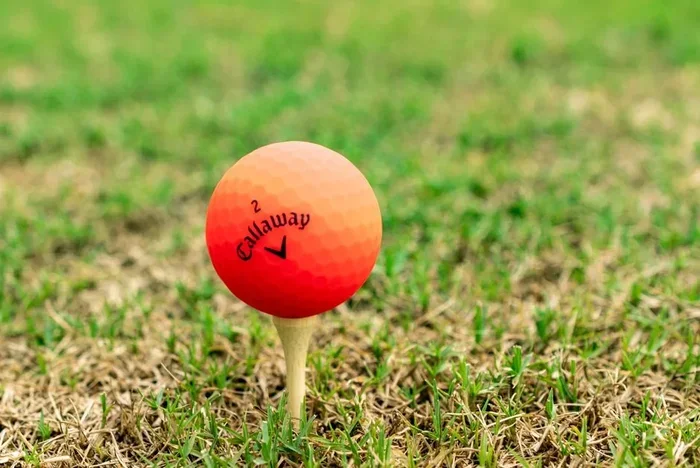
The Callaway Supersoft is one of the most popular balls for new golfers. It has a very low compression rating of 38, which makes it easy to compress even with a slow swing. The ball flies high and straight, giving beginners the confidence they need.
Key features include:
- Ultra-low compression core for maximum distance
- Soft feel that is comfortable on all shots
- Durable ionomer cover that resists damage
- High launch for easy airborne shots
- Affordable price at around fifteen to twenty dollars per dozen
TaylorMade Distance+
The TaylorMade Distance+ is another excellent choice for beginners. It is designed specifically to maximize distance, which is exactly what new players want. The ball has a two-piece construction with a high-energy core that transfers power efficiently.
Key features include:
- High-energy core for extra yardage
- Low spin design that reduces slices and hooks
- Bright color options for easy tracking on the course
- Great durability for practice sessions and rounds
- Budget-friendly at under twenty dollars per dozen
Srixon Soft Feel
The Srixon Soft Feel lives up to its name. It is one of the softest balls on the market, which makes it perfect for beginners who want a comfortable feel. The ball offers a great balance of distance and control.
Key features include:
- Soft compression core for easy loading and release
- Excellent feel on approach shots and putting
- 338 dimple pattern for a stable flight
- Good spin around the greens for better short game control
- Reasonable price point for the quality offered
Titleist TruFeel
Titleist is a trusted name in golf, and the TruFeel is their go-to ball for beginners. It offers a soft feel without sacrificing distance. The ball is designed to be forgiving and easy to hit, which is exactly what a new player needs.
Key features include:
- Low compression for slower swing speeds
- Soft urethane-like cover for a premium feel
- Consistent performance round after round
- Good short game control for chipping and putting
- Slightly higher price but worth it for the quality
Vice Pro Soft
The Vice Pro Soft is a newer option that has quickly gained popularity. It offers premium performance at a fraction of the cost of big-name brands. The ball is designed for players with moderate swing speeds, making it a perfect fit for beginners.
Key features include:
- Dual-speed core technology for distance and soft feel
- Zero-compression core that adapts to any swing speed
- High launch and low spin for straight flights
- Durable cast ionomer cover
- Excellent value at around twenty-five dollars per dozen
Two-Piece vs. Multi-Layer Golf Balls
This is one of the most important decisions you will make when choosing a ball. Let us compare the two main types so you can see why the two-piece design wins for beginners.
| Feature | Two-Piece Golf Ball | Multi-Layer Golf Ball |
|---|---|---|
| Construction | Simple core and cover | Multiple layers including urethane |
| Distance | Excellent for most beginners | Great but requires fast swing speed |
| Spin Control | Low spin for straighter shots | High spin for advanced players |
| Durability | Very durable and long-lasting | Softer cover wears out faster |
| Price | Affordable (10-25 dollars per dozen) | Expensive (30-50+ dollars per dozen) |
| Best For | Beginners and high handicappers | Low handicappers and pros |
| Feel | Firm but forgiving | Soft and responsive |
| Launch Angle | High launch for easy airborne shots | Customizable but harder to control |
As you can see, the two-piece ball is the clear winner for anyone just starting out. It is durable, affordable, and designed to help you hit the ball farther with less effort. Save the multi-layer balls for when your game reaches a higher level.
Common Mistakes Beginners Make When Choosing Golf Balls
Even with the best intentions, new golfers often make mistakes when picking a ball. Here are the most common ones to avoid.
Buying Premium Balls Too Early
It is tempting to buy the same balls the pros use. But premium multi-layer balls cost a lot and they do not help your game when you are still learning. You will lose balls on the course, especially early on. Using expensive balls for practice does not make sense.
Ignoring Swing Speed
Your swing speed determines how much energy you transfer to the ball. If you have a slow swing speed and pick a high-compression ball, you will lose distance. Always match your golf ball for slow swing speed to your actual swing. Most beginners should look for balls with compression ratings under 70.
Choosing Based on Color Alone
Bright colored balls are fun and easy to track, which is great. But color should not be the only factor. A ball that looks cool but performs poorly will hold back your progress. Always prioritize performance features over aesthetics.
Buying in Bulk Without Testing
Buying a case of fifty dozen balls might seem like a deal. But if the ball does not suit your game, you are wasting money. Start with a small pack of a dozen, test it on the range and the course, and then buy more if you like it.
Overthinking Spin Control
Spin control is important, but beginners do not need to obsess over it. A low-spin ball will help you hit straighter shots while you are still developing your swing. You can always upgrade to a higher-spin ball later when your skills improve.
How to Pick the Right Golf Ball for Your Swing
Choosing a ball comes down to matching it to your game. Here is a simple step-by-step process to help you decide.
- Know your swing speed. Use a launch monitor or ask a professional at your local golf shop. Most beginners swing between 70 and 90 miles per hour.
- Identify your biggest challenge. Is it distance? Straightness? Short game control? Choose a ball that addresses your biggest weakness.
- Set a budget. Decide how much you are willing to spend per dozen. Remember, you will lose balls, so affordable options make sense.
- Try before you commit. Buy a small pack first. Test the ball on the range and during a round. Pay attention to how it feels and how far it goes.
- Stick with what works. Once you find a ball you like, buy in bulk. Consistency matters, and using the same ball helps you understand its performance.
One quick tip that many experts agree on: if you are unsure, go with a two-piece soft feel golf ball. It is the safest and most effective choice for 90 percent of beginners. The Callaway Supersoft and the TaylorMade Distance+ are both excellent starting points.
Another tip from the pros: do not change balls mid-round. Pick one ball and stick with it throughout your round. This helps you learn how that specific ball performs and builds consistency in your game.
The best golf ball for beginner players is ultimately the one that fits your swing, your budget, and your goals. There is no single perfect ball for everyone. But with the right information, you can make a smart choice that will help you enjoy the game more and improve faster.
Final Thoughts on Finding the Best Golf Ball for Beginners
Choosing a golf ball might seem like a small decision, but it has a real impact on your game. The right ball gives you more distance, better feel, and greater confidence every time you step up to hit a shot. The wrong ball can hold you back and make the game more frustrating than it needs to be.
Start with a two-piece, low-compression ball from a trusted brand. Keep it affordable, keep it simple, and focus on building your skills. As your game improves, you can explore more advanced options. But for now, the best golf ball for beginner players is the one that helps you enjoy the game and see progress.
Take what you learned from this guide, pick a ball that feels right, and get out on the course. The more you play, the more you will understand what works best for you. And that is the real secret to improving your game.
Frequently Asked Questions
What is the best golf ball for a beginner with a slow swing speed?
Look for a low-compression two-piece ball with a rating below 70. The Callaway Supersoft and Vice Pro Soft are excellent choices because they are designed to maximize distance for slower swings. These balls compress easily, which means you get more energy transfer even with a gentle swing.
How much should I spend on golf balls as a beginner?
You should spend between ten and twenty-five dollars per dozen. There is no need to buy expensive premium balls when you are still losing balls regularly. Affordable options like the TaylorMade Distance+ offer great performance at a beginner-friendly price point.
Can the right golf ball really improve my game?
Yes, absolutely. The right ball can add distance, improve accuracy, and give you better feel around the greens. While it will not fix a bad swing, it removes equipment as a barrier to improvement. Using a ball that matches your skill level gives you positive feedback and builds confidence.
Should I use colored or white golf balls as a beginner?
This is mostly a personal preference. Colored balls like yellow or orange are easier to track in the air and on the ground, which can be helpful for new players. White balls are the traditional choice and work just as well. Pick whichever one you can see better on the course.
How many golf balls should a beginner buy at once?
Start with a dozen or two. This lets you test the ball without spending too much money. Once you find a ball you like and that performs well for you, you can buy in larger quantities. Most beginners lose between five and ten balls per round, so buying in bulk early on is not the best idea.
When should I upgrade from a beginner golf ball?
Consider upgrading when your handicap drops below 15 and you start hitting the ball more consistently. At that point, you may benefit from a ball with more spin control and a softer feel. But there is no rush. Many experienced golfers still play two-piece balls and enjoy great results.