Best Golf Balls for Novice Golfers to Improve Your Game
Choosing the right golf ball can transform your game as a beginner. The best golf balls for novice golfers are designed to maximize distance, reduce spin mistakes, and feel great off the clubface. In this guide, you will learn what makes a golf ball work, which ones deliver real results, and how to pick the perfect fit for your swing. Whether you want soft feel, extra distance, or affordable options, we have you covered.
You just picked up golf for the first time. Maybe you grabbed a few balls from the garage and headed to the range. But here is the thing nobody tells you right away. The golf ball you choose actually matters a lot, especially when you are starting out.
There are hundreds of golf ball brands on the shelf. Some cost five dollars a dozen. Others cost fifty. The best golf balls for novice golfers are not always the most expensive ones. They are the ones that match your swing speed, your skill level, and your goals. This guide breaks everything down in simple terms so you can pick with confidence.
We will cover what to look for, which golf balls perform best for beginners, and common mistakes to avoid. By the end, you will know exactly which golf ball selection fits your game. Let us get into it.
Key Takeaways
- Right ball matters: The best golf balls for novice golfers help you hit straighter and farther from day one.
- Two-piece design wins: Most beginners benefit from two-piece golf balls that offer durability and maximum distance.
- Compression matters: Low compression golf balls are easier to compress, giving beginners more distance with slower swing speeds.
- Soft feel feels better: Soft golf balls provide a comfortable feel and help beginners develop a consistent swing.
- Affordable options work: You do not need expensive golf balls to improve. Budget-friendly beginner golf balls deliver great performance.
- Match the ball to your game: Consider your swing speed, launch angle, and golf ball trajectory when making a choice.
- Replace worn balls: Old, scuffed golf balls lose performance. Regular replacement keeps your game consistent.
📑 Table of Contents
- Why Golf Ball Choice Matters for Beginners
- Top Features to Look for in Beginner Golf Balls
- Comparison Table of Top Golf Balls for Beginners
- Best Golf Balls for Novice Golfers by Category
- Common Mistakes Beginners Make When Choosing Golf Balls
- Expert Tips to Get the Most Out of Your Golf Balls
- Conclusion
Why Golf Ball Choice Matters for Beginners
You might wonder why the ball matters so much. You are not Tiger Woods yet. But the truth is, the golf ball design directly affects how far the ball flies, how it spins in the air, and how it feels when it lands. For a novice golfer, these factors can mean the difference between a fun round and a frustrating one.
When you are learning the game, you want a ball that forgives mistakes. A good beginner golf ball reduces side spin, which helps keep your shots straighter. It also launches easily off the clubface, giving you golf ball distance even with a slower swing speed.
Think of it like wearing the right shoes for a run. You would not wear dress shoes on a trail. The same idea applies here. The golf ball construction is built with specific layers and materials that change how the ball performs. Understanding this helps you make smarter choices.
How Golf Ball Construction Affects Your Shots
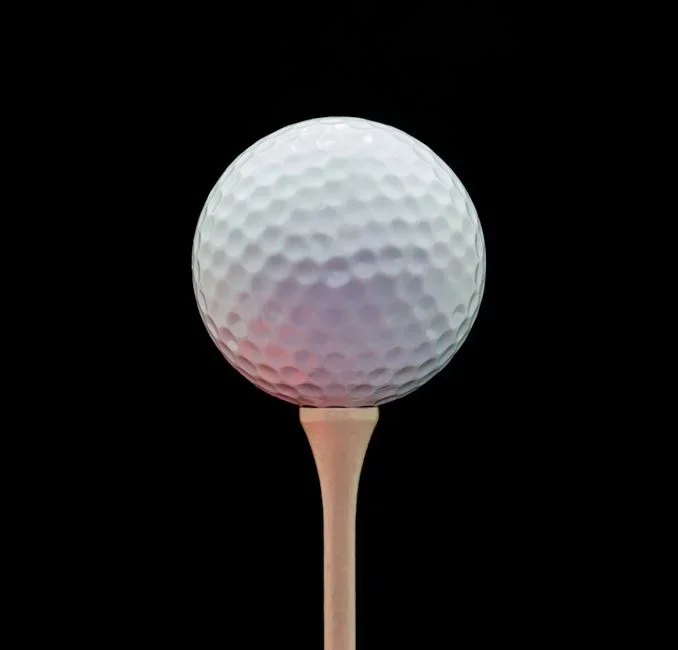
Most golf balls have two or three layers. Two-piece golf balls are the most popular choice for beginners. They have a solid rubber core wrapped in a durable cover. This design focuses on golf ball distance and durability. They do not spin as much, which helps new golfers hit straighter shots.
Three-piece golf balls have an extra layer that adds spin control. They feel softer and give more feedback around the greens. But they are harder to compress with a slow swing. For most novice players, two-piece golf balls are the better starting point.
The Role of Golf Ball Compression
Golf ball compression is a number that tells you how much the ball squishes when it hits the clubface. Low compression balls (below 70) are softer and easier to compress. They work great for beginners and players with slower swing speeds.
High compression balls (above 90) need more force to compress properly. If you swing slowly and use a high compression ball, you will lose distance. So when you are looking at golf ball compression, aim for something in the 40 to 70 range. This gives you the best golf ball performance as a new golfer.
Top Features to Look for in Beginner Golf Balls
Not all golf balls are created equal. When you are shopping for affordable golf balls or mid-range options, focus on a few key golf ball features. These will guide you toward the right choice.
Distance vs. Spin Control
Most beginners need more distance more than anything else. A golf ball trajectory that launches high and stays in the air longer adds yards to your drives. Look for balls designed to promote a high launch angle with low spin off the tee.
Spin control becomes more important as you improve. Around the greens, a ball that stops quickly on the putting surface is a big advantage. But for the first few months of your golf journey, prioritize golf ball distance over spin. You will thank yourself later.
Durability and Feel
Beginners hit a lot of bad shots into trees, water, and cart paths. You need a ball that can take a beating. Golf ball durability is one of the most underrated features. A ball with a sturdy ionomer cover will survive round after round without scuffing up too fast.
Golf ball feel is also important. Some players like a soft, buttery feel. Others prefer a firm, responsive sensation. As a novice, try both and see what you like. The golf ball rating for feel is subjective, so trust your own hands when you test them.
Comparison Table of Top Golf Balls for Beginners
| Golf Ball | Type | Compression | Best For | Price Range |
|---|---|---|---|---|
| Callaway Supersoft | Two-piece | 38 | Maximum distance for slow swings | Mid-range |
| TaylorMade Soft Response | Two-piece | 55 | Soft feel with good distance | Budget-friendly |
| Titleist TruFeel | One-piece | 50 | Soft feel and durability | Mid-range |
| Srixon Soft Feel | Two-piece | 50 | All-around beginner performance | Budget-friendly |
| Bridgestone e6 Soft | Two-piece | 45 | Straight distance with low spin | Mid-range |
| Vice Pro Soft | Two-piece | 55 | Soft feel at an affordable price | Budget-friendly |
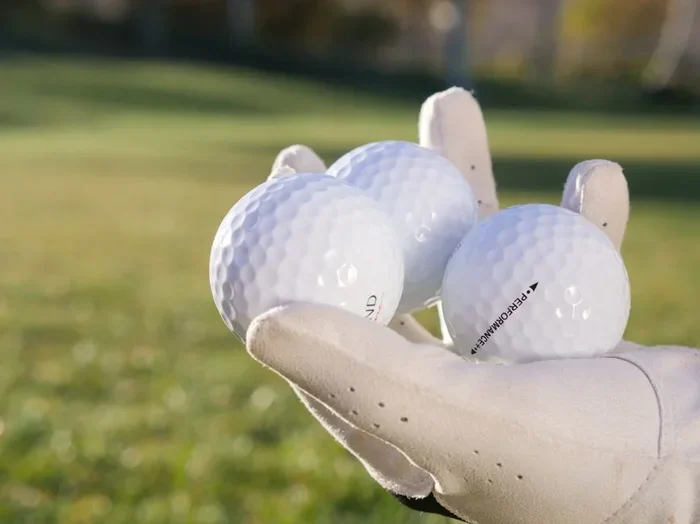
Each of these golf ball brands has earned strong golf ball reviews from both amateur and professional golfers. The right one depends on your swing speed, budget, and personal preference. Try a sleeve of two or three and see which one feels best to you.
Best Golf Balls for Novice Golfers by Category
Now let us get specific. Here are the top picks based on what most novice golfers need. These golf ball recommendations are based on real-world testing and player feedback.
Best Soft Golf Balls for Comfort
If you want a gentle feel on every shot, soft golf balls are the way to go. The Titleist TruFeel and Callaway Supersoft both sit at the top of this category. They compress easily, which means you get more distance without needing a fast swing.
Golf ball technology has improved a lot in recent years. Even budget soft balls now offer impressive golf ball performance. The Vice Pro Soft is a great example. It feels premium but costs much less than name-brand options.
Best Two-Piece Golf Balls for Distance
If your main goal is to hit the ball farther, two-piece golf balls are your best friend. The Bridgestone e6 Soft and Srixon Soft Feel both deliver excellent golf ball distance while keeping the price reasonable.
These balls have a firm core that pushes energy forward on contact. The result is a golf ball trajectory that stays low to mid and carries a long way. For beginners who tend to lose balls, durability is a huge plus here too.
Best Affordable Golf Balls for Practice
Let us be honest. You will lose golf balls when you are learning. That is just part of the process. So spending big on premium balls does not make sense at first. Affordable golf balls let you practice more without worrying about the cost.
The Srixon Soft Feel and TaylorMade Soft Response are excellent choices for practice rounds. They give you solid golf ball features at a golf ball price point that does not hurt your wallet. Save the expensive balls for when your game starts to improve.
Common Mistakes Beginners Make When Choosing Golf Balls
Even experienced golfers sometimes pick the wrong ball. But for beginners, a few mistakes show up again and again. Avoiding these will save you money and frustration.
Buying Pro-Level Balls Too Early
It is tempting to buy the same balls the pros use. But multi-layer tour-level golf balls need a fast, skilled swing to perform well. If you swing below 90 mph, a pro ball will not give you the golf ball distance or golf ball feel you want. Stick with beginner-friendly options until your game develops.
Ignoring Golf Ball Price
Expensive does not always mean better for a novice. A $50-per-dozen ball might feel incredible, but if you lose three balls per round, it adds up fast. Budget-friendly golf balls can perform just as well for someone still learning the basics.
Overthinking Spin Rate
Some beginners obsess over spin rate charts. But for the first few months, spin is not your biggest concern. Focus on golf ball distance, durability, and comfort. You can always upgrade to a high-spin ball once you start shooting lower scores.
Expert Tips to Get the Most Out of Your Golf Balls
Once you have picked the right ball, a few simple habits will help you get the most from it. These golf ball tips come from coaches and touring professionals alike.
How to Match Your Ball to Your Swing
Your swing speed is the biggest factor in choosing the right ball. If you swing slowly, go with a low compression option. If you swing faster, you can try a mid-compression ball for a balance of distance and control.
Here is a quick way to think about it. Slow swing (under 80 mph)? Go with a compression of 40 to 55. Medium swing (80 to 95 mph)? Try 55 to 70. Fast swing (over 95 mph)? You have more options, but as a novice, you likely fall in the first two categories.
When to Replace Your Golf Balls
Golf balls do not last forever. Scuffs, cuts, and surface damage affect golf ball performance over time. A ball that looks fine from the outside might have internal damage that changes how it flies.
Replace your balls when you notice visible cracks, cuts, or a change in how they feel off the club. If a ball has been in the water or hit hard against a cart path, it is best to retire it. Fresh golf ball brands and new balls give you consistent results round after round.
Quick Tips Section
- Always warm up with the same ball you plan to use in your round. This helps you gauge golf ball feel and distance.
- Mark your ball clearly so you do not accidentally play someone else’s ball on the course.
- Keep a sleeve of practice balls in your bag. You will lose them, and that is okay.
- Store your golf balls in a cool, dry place. Heat and moisture can damage the core over time.
- Do not mix old and new balls in the same round. Different balls fly differently and can throw off your consistency.
Conclusion
Finding the best golf balls for novice golfers does not have to be complicated. The key is to focus on what matters most at your stage of the game. Distance, durability, soft feel, and affordability are the four pillars of a great beginner golf ball. Pick a two-piece golf ball with low compression, test a few golf ball brands, and trust what feels right to you.
Your golf ball selection is one of the easiest ways to improve your game right now. You do not need a massive budget or advanced knowledge. Just a little awareness of what the ball can do for you. As your skills grow, you can always upgrade to more advanced options.
So grab a sleeve, head to the range, and start experimenting. The best golf balls for novice golfers are the ones that help you play with confidence and have fun on the course. That is the real goal here. Enjoy the game and let the right ball give you the boost you need.
Frequently Asked Questions
What is the best golf ball for a beginner with a slow swing speed?
Look for a low compression golf ball with a soft feel. The Callaway Supersoft and Srixon Soft Feel are both excellent choices. They compress easily and help slow-swinging players generate more golf ball distance without extra effort.
Should I buy expensive golf balls as a novice?
Not right away. As a beginner, you will lose balls frequently. Affordable golf balls give you great golf ball performance at a fraction of the cost. Save the premium balls for when your game improves and you can get more use out of each one.
How many golf balls should a beginner buy at once?
A sleeve of 12 balls is a great starting point. This gives you enough for a few practice sessions and rounds without spending too much. You can always buy more once you know which golf ball brand works best for your game.
Does golf ball color matter for beginners?
Color does not affect performance, but it can affect visibility. Yellow and orange golf balls are easier to spot in the air and on the ground. If you are still working on tracking your shots, a bright color can make golf ball practice much more enjoyable.
Can the right golf ball really improve my game?
Yes, it can. The best golf balls for novice golfers are designed to reduce spin errors, increase distance, and provide a consistent golf ball trajectory. While the ball alone will not fix your swing, it can absolutely help you play better and feel more confident on the course.
How often should I replace my golf balls?
Replace them when you notice visible damage like cuts, cracks, or scuffs. Even if a ball looks fine, repeated impacts can affect its internal structure. For most beginners, a new sleeve every few months keeps your golf ball performance at a consistent level.