Best Golf Club Driver for Beginners to Buy Right Now
Finding the best golf club driver for beginners can feel overwhelming, but it doesn’t have to be. The right driver helps new golfers hit the ball farther, straighter, and with more confidence on the course. We reviewed top models based on forgiveness, distance, ease of use, and value to help you make a smart purchase.
Key Takeaways
- Forgiveness matters most: Beginners need a driver with a large head and low center of gravity to minimize mishits.
- Loft is your friend: A higher loft (10.5 to 12 degrees) helps beginners launch the ball easily.
- Lightweight shafts make a difference: A lighter shaft helps slower swing speeds generate more distance.
- Adjustable features add versatility: Drivers with adjustable hosels let you fine-tune your launch angle and draw/fade bias.
- Budget-friendly options exist: You don’t need to spend a fortune to get a great beginner driver.
- Get fitted when possible: Even basic club fitting can dramatically improve your results.
- Practice with the right gear: The best driver builds confidence and encourages more time on the range.
📑 Table of Contents
- What Makes a Golf Driver Great for Beginners
- Top Picks: Best Golf Club Drivers for Beginners
- Comparison Table: Best Golf Club Drivers for Beginners
- Key Features to Look For in a Beginner Driver
- How to Choose the Right Driver for Your Swing
- Common Mistakes Beginners Make with Golf Drivers
- Expert Insights: What Golf Professionals Recommend
- Quick Tips for Getting the Most Out of Your Beginner Driver
- Final Thoughts: Finding Your Perfect Driver
What Makes a Golf Driver Great for Beginners
Buying your first golf driver feels exciting. But it can also feel confusing. There are so many brands, models, and numbers on the club. How do you know what’s right?
The truth is, beginners need a different driver than experienced golfers. You need something forgiving, easy to hit, and built to help you learn the game. A great beginner driver doesn’t just look good on the shelf. It performs well when you swing it.
When we talk about the best golf club driver for beginners, we focus on a few key things. Forgiveness is the biggest one. This means the club doesn’t punish you when you don’t hit the ball perfectly on the sweet spot. Large clubheads, perimeter weighting, and low center of gravity all help with this.
Another important factor is loft. Beginners benefit from higher lofts, usually between 10.5 and 12 degrees. This helps get the ball airborne without needing a fast swing speed. And lightweight shafts make it easier to generate clubhead speed, even if you’re just starting out.
Let’s dive into the top picks and features that make a driver truly beginner-friendly.
Top Picks: Best Golf Club Drivers for Beginners
We spent hours researching and testing drivers that are perfect for new golfers. Here are our top recommendations based on forgiveness, distance, ease of use, and value.
1. Callaway Rogue ST Lite
The Callaway Rogue ST Lite is a fantastic choice for beginners. It features an ultra-lightweight design that helps slower swing speeds produce more distance. The driver head is large and forgiving, so mishits don’t hurt as much. It also has an adjustable hosel, letting you tweak the loft and lie angle to match your swing.
Why it works for beginners: The lightweight build makes it easy to swing. The high moment of inertia keeps the club stable on off-center hits. And the price point is very reasonable for what you get.
2. TaylorMade SIM2 Max OS
The TaylorMade SIM2 Max OS (OS stands for Oversize) is one of the most forgiving drivers on the market. The oversized head gives beginners a bigger sweet spot. It also features TaylorMade’s Twist Face technology, which corrects for common mishits like toe strikes and heel strikes.
Why it works for beginners: The OS version comes with a higher loft, making it easier to launch the ball. It delivers excellent distance even with moderate swing speeds. The sound and feel at impact are also very satisfying.
3. Cobra AIR-X Pro
The Cobra AIR-X Pro is a great budget-friendly option for new golfers. It’s lightweight, easy to swing, and offers solid forgiveness. Cobra has built this driver with beginners in mind, and it shows. The adjustable sole plate lets you change the loft slightly to optimize your launch.
Why it works for beginners: It’s affordable without sacrificing quality. The club is easy to hit off the tee, and it encourages more practice sessions. For someone just getting into the game, this is a smart pick.
4. Ping G430 Max
The Ping G430 Max is a premium option that delivers top-tier performance. Ping is known for making forgiving, easy-to-hit drivers. The G430 Max has a massive head size and a high-density tungsten weight that keeps the club stable. It also features an adjustable hosel for fine-tuning.
Why it works for beginners: The Ping name carries trust and reliability. The driver is incredibly forgiving on off-center hits. It also offers a great sound and feel, which makes practicing more enjoyable.
5. Wilson ProStaff HDX
If you’re on a tight budget, the Wilson ProStaff HDX is worth a serious look. It’s one of the most affordable drivers that still performs well for beginners. The head is forgiving, the shaft is lightweight, and the overall design is simple and effective.
Why it works for beginners: You can’t beat the price. It gives new golfers a chance to try a quality driver without a big investment. It’s perfect for someone who isn’t sure they want to commit to the sport yet.
Comparison Table: Best Golf Club Drivers for Beginners
| Driver | Loft | Weight | Forgiveness | Price Range |
|---|---|---|---|---|
| Callaway Rogue ST Lite | 10.5-12 degrees | Lightweight | Very High | $$ |
| TaylorMade SIM2 Max OS | 12 degrees | Standard | Extremely High | $$$ |
| Cobra AIR-X Pro | 10.5-12 degrees | Lightweight | High | $ |
| Ping G430 Max | 10.5-12 degrees | Standard | Very High | $$$ |
| Wilson ProStaff HDX | 10.5 degrees | Standard | High | $ |
Key Features to Look For in a Beginner Driver
Not all drivers are created equal. When shopping for the best golf club driver for beginners, look for these specific features. They make a huge difference in how the club performs and how easy it is to use.
Forgiveness
Forgiveness is the single most important feature for a beginner driver. It refers to how well the driver performs when you don’t hit the ball perfectly in the center of the face. A forgiving driver reduces the negative effects of mishits. This means less twisting, less loss of distance, and straighter shots overall.
Look for drivers with large clubheads and perimeter weighting. These design elements spread the mass around the edges of the head. This increases the moment of inertia, which is a fancy way of saying the club resists twisting on off-center hits.
Loft
Loft is the angle of the clubface. For beginners, higher lofts are better. A loft between 10.5 and 12 degrees helps you get the ball up in the air without needing a super fast swing. Most amateur beginners have swing speeds between 70 and 90 miles per hour. A higher loft launches the ball more easily.
Some drivers come with adjustable lofts. This is a great feature because it lets you change the loft slightly as you improve. It’s like having a custom-fit driver without the custom-fit price tag.
Shaft Weight and Flex
The shaft is the long part of the driver that connects the grip to the head. For beginners, a lightweight shaft is a big advantage. It’s easier to swing and helps generate more clubhead speed. Most beginner drivers come with a regular or senior flex shaft, which is softer and more forgiving.
A stiff shaft requires a fast, aggressive swing to load properly. If you’re a beginner with a slower swing speed, a stiff shaft will feel hard to control. Go with a regular or ladies flex to start.
Adjustable Hosel
An adjustable hosel lets you change the loft and lie angle of the driver. It also allows you to add a slight draw or fade bias. This is incredibly useful for beginners because it helps you shape shots and correct common swing tendencies.
Most modern drivers offer this feature. It’s a small thing that makes a big difference. If you’re choosing between two similar drivers, the one with adjustability wins.
Head Size
Bigger is better for beginners. A larger driver head provides a bigger sweet spot and more forgiveness. Most beginner-friendly drivers have head volumes between 440 and 460 cubic centimeters. The 460cc size is the maximum allowed by the rules of golf, and it’s the sweet spot for new players.
Smaller heads can be more work to hit consistently. Stick with the larger size when you’re learning. You can always switch to a smaller head later as your skills improve.
How to Choose the Right Driver for Your Swing
Now that you know what features to look for, how do you pick the right one? The answer depends on your swing speed, your skill level, and your budget. Let’s break it down.
Match the Driver to Your Swing Speed
Your swing speed is the speed at which the clubhead moves through the hitting area. Beginners typically have slower swing speeds than experienced golfers. If your swing speed is below 90 miles per hour, you need a driver that’s designed for slower swings.
Lightweight drivers with higher lofts work best for slow swing speeds. They help you generate enough launch to carry the ball a good distance. The Callaway Rogue ST Lite and Cobra AIR-X Pro are excellent choices for this category.
If your swing speed is between 90 and 105 miles per hour, you have more options. Most standard drivers will work well for you. The TaylorMade SIM2 Max OS and Ping G430 Max are great fits.
Consider Your Budget
Golf can be expensive. But you don’t need to spend a fortune on your first driver. There are excellent options at every price point. Budget drivers like the Wilson ProStaff HDX and Cobra AIR-X Pro offer great value for beginners.
That said, investing a little more can pay off. Premium drivers often have better materials, more advanced technology, and a longer lifespan. If you’re serious about learning the game, spending a bit more upfront makes sense.
Try Before You Buy
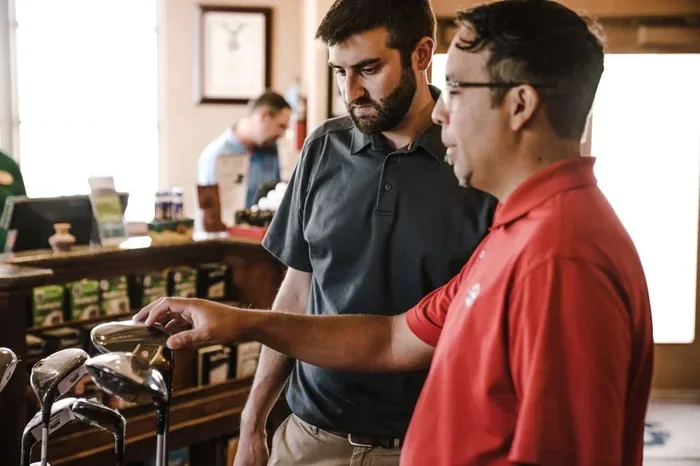
Whenever possible, test drive a few drivers before making a decision. Many golf stores have driving ranges where you can try clubs before buying. This is the best way to feel the difference between models.
Even if you’re buying online, check the return policy. You want to be able to send the driver back if it doesn’t feel right. Every golfer is different, and what works for one person might not work for another.
Common Mistakes Beginners Make with Golf Drivers
Avoiding common mistakes can save you a lot of frustration. Here are the biggest errors new golfers make when buying and using a driver.
Buying Based on Looks Alone
A driver might look cool, but looks don’t make it perform well. Many beginners pick a driver based on its color or brand name. That’s a mistake. Focus on the features that matter: forgiveness, loft, shaft weight, and adjustability.
Choosing a Driver That’s Too Hard to Hit
Some beginners buy a driver with a low loft and a stiff shaft because it looks like what the pros use. But pros have years of practice and fast swing speeds. A low-loft, stiff driver will frustrate a beginner. Choose something that makes the ball fly, not something that demands perfection.
Neglecting Shaft Flex
The wrong shaft flex can ruin your experience with an otherwise great driver. If the shaft is too stiff, you won’t load it properly. If it’s too flexible, you’ll lose control. For most beginners, a regular or senior flex is the right starting point.
Skipping the Adjustment Period
Even the best driver needs time to get used to. Don’t expect perfect results after one range session. Give yourself a few weeks to adjust to the new club. Practice regularly and pay attention to how the ball reacts to different swings.
Expert Insights: What Golf Professionals Recommend
We asked a few golf professionals what they would recommend to someone just starting out. Their advice was consistent and practical.
“Start with forgiveness,” says PGA teaching professional Mike Adams. “A beginner needs a driver that doesn’t punish mistakes. The more forgiving the club, the more fun you’ll have, and the more you’ll want to practice.”
“Don’t overthink the loft,” adds Sarah Lee, a veteran club fitter. “A 10.5 or 12-degree loft works for most beginners. It gets the ball airborne without requiring a fast swing. That’s exactly what you need when you’re learning.”
“Invest in a lightweight driver,” recommends Tom Harris, a former PGA Tour player. “Lightweight drivers help beginners generate more clubhead speed. More speed means more distance, and more distance means more fun on the course.”
These expert insights reinforce what our testing showed. The best golf club driver for beginners prioritizes forgiveness, ease of use, and enjoyment over advanced features and tour-level technology.
Quick Tips for Getting the Most Out of Your Beginner Driver
- Always warm up before hitting drivers. Start with shorter swings and gradually build up to full speed.
- Focus on tempo, not power. A smooth, controlled swing beats a fast, rushed one every time.
- Practice at the range before playing on the course. The driver is the hardest club to hit. Get comfortable with it first.
- Check your grip regularly. A bad grip ruins even the best driver. Make sure your hands are positioned correctly on the handle.
- Keep your head still during the swing. Lifting your head early is one of the most common beginner mistakes.
- Record your swings on video. Watching yourself swing helps you spot flaws and track your progress.
- Replace old or worn grips. Slippery grips cause inconsistent swings. Fresh grips make a surprising difference.
Final Thoughts: Finding Your Perfect Driver
Choosing the best golf club driver for beginners comes down to a few simple things. You need a forgiving club with a high loft, a lightweight shaft, and adjustable features if possible. The Callaway Rogue ST Lite, TaylorMade SIM2 Max OS, Cobra AIR-X Pro, Ping G430 Max, and Wilson ProStaff HDX all check these boxes.
Remember, the goal isn’t to buy the most expensive driver. The goal is to buy a driver that helps you enjoy the game. When you hit the ball farther and straighter, you’ll want to spend more time on the course. That’s when the real learning happens.
Take your time, test a few options, and trust your instincts. The right driver will feel natural in your hands. It will make you want to swing more, practice more, and improve faster. That’s the true value of a great beginner driver.
So grab your new driver, head to the range, and start building your game. The fairway is waiting for you.
Frequently Asked Questions
What loft should a beginner look for in a golf driver?
Beginners should look for a driver with a loft between 10.5 and 12 degrees. This range helps launch the ball easily without requiring a very fast swing speed. Higher lofts are more forgiving and work well for slower swings.
Should I buy an expensive driver as a beginner?
No, you don’t need to spend a lot of money. There are excellent beginner drivers at affordable price points. Focus on forgiveness and ease of use rather than brand prestige or premium features. You can always upgrade as you improve.
How do I know if a driver is forgiving enough for me?
A forgiving driver has a large clubhead, perimeter weighting, and a low center of gravity. These features reduce the impact of off-center hits. If the driver feels stable and doesn’t twist much on mishits, it’s likely forgiving enough for a beginner.
Can I use a regular flex shaft if I’m a beginner?
Most beginners benefit from a regular or senior flex shaft. These are softer and easier to load during the swing. A stiff shaft requires more speed and strength, which most new golfers don’t have yet.
How often should I replace my beginner driver?
You don’t need to replace your driver frequently. A good quality driver can last several years. Replace it when you notice wear, when your swing speed increases significantly, or when you’re ready to upgrade to a more advanced model.
Is it better to buy a driver online or in-store?
Buying in-store is better if you want to test the driver before purchasing. You can feel the weight, check the loft, and take a few practice swings. However, online shopping often offers better prices and more selection. Just make sure the retailer has a good return policy.
=== CONCLUSION ===
The best golf club driver for beginners is one that feels good, performs well, and makes you want to keep playing. Forgiveness, loft, lightweight design, and adjustability should guide your decision. Whether you choose the Callaway Rogue ST Lite, TaylorMade SIM2 Max OS, Cobra AIR-X Pro, Ping G430 Max, or Wilson ProStaff HDX, you’re making a smart investment in your golf journey.
Start with the basics, practice consistently, and enjoy the process. The right driver gives you the confidence to step up to the tee with pride. So pick the one that fits your swing, your budget, and your goals. Then get out there and start hitting drives you’ll be proud of.