Best Mid Handicap Golf Ball That Will Improve Your Game
Finding the best mid handicap golf ball can transform your game overnight. These balls are designed to blend distance off the tee with soft feel around the greens. Whether you shoot between 80 and 95, the right ball helps you control spin and boost confidence. In this guide, we break down the top picks, key features, and buying tips every mid handicapper needs. Read on to find the perfect match for your swing.
If you have been hitting the range regularly and your scores are starting to stabilize somewhere between 80 and 95, you are officially a mid handicapper. And if you have been using the same golf ball for years without thinking twice, it might be time to rethink that choice. The best mid handicap golf ball is not just about brand names or what your favorite pro uses. It is about finding a ball that fits your swing speed, your feel preferences, and your scoring goals.
Choosing the right golf ball might seem like a small detail. But here is the truth: the ball you play can affect every shot you hit. From the first drive off the tee to the final putt on the 18th hole, the right ball makes a real difference. In this article, we will walk you through everything you need to know about selecting the perfect golf ball for mid handicappers. We will cover what to look for, which balls stand out, and how to avoid common mistakes that cost you strokes.
By the time you finish reading, you will have a clear picture of what works best for your game. You will also have a shortlist of top-performing options worth trying on the course. Let us dive in and help you lower those scores starting today.
Key Takeaways
- Mid handicap golf balls balance distance and spin control: They are built for players who want both power and precision on the course.
- Urethane covers offer superior feel: They help you judge approach shots and putts with more confidence.
- Compression matters for your swing speed: Matching compression to your swing improves ball flight and accuracy.
- Price does not always mean better performance: Several affordable options deliver pro-level results for mid handicappers.
- Spin rate affects short game control: Higher spin helps with stopping power on greens, while lower spin reduces hooks and slices.
- Testing multiple balls is essential: Every swing is unique, so trying different models before committing is the smartest move.
📑 Table of Contents
- What Is a Mid Handicap Golf Ball and Why Does It Matter
- Key Features to Look for in a Mid Handicap Golf Ball
- Top Mid Handicap Golf Balls Compared
- How to Choose the Right Golf Ball for Your Game
- Common Mistakes Mid Handicappers Make With Golf Balls
- Final Thoughts on Finding the Best Mid Handicap Golf Ball
What Is a Mid Handicap Golf Ball and Why Does It Matter
A mid handicap golf ball is designed for players who have developed a consistent swing but still need help with accuracy and scoring. These players typically have handicaps between 10 and 20. At this level, you already hit the ball reasonably well. But small improvements in feel, spin, and distance control can lead to big drops in your scorecard.
Unlike beginner balls that prioritize pure distance, or tour-level balls built for elite swing speeds, mid handicap balls strike a balance. They give you enough speed off the driver while still offering soft feel and responsive spin around the greens. This combination is what makes golf ball for intermediate players a unique category worth exploring.
How Mid Handicap Golf Balls Differ from Other Types
There are three main categories of golf balls on the market. Distance balls are hard and designed to maximize carry for slower swings. Tour performance balls are soft and offer premium spin but require fast swing speeds to compress properly. Mid handicap balls sit right in the middle. They offer a balanced feel, decent distance, and enough spin to help you control approach shots.
Here is a simple way to think about it. If you swing the club at around 85 to 100 miles per hour, a mid handicap ball will perform best for you. It compresses enough to give you solid distance without feeling like a rock on your short game. This sweet spot is exactly why so many mid handicapper golf equipment guides focus on this category.
Who Should Use a Mid Handicap Golf Ball
If you fall into any of these categories, a mid handicap ball could be a game-changer for you:
- You shoot between 80 and 95 regularly
- You want more control on approach shots without sacrificing distance
- You have a moderate swing speed between 85 and 100 mph
- You struggle with spin control on shorter shots
- You want a ball that feels good on both full swings and chips
- You are willing to invest in better performance without breaking the bank
The right golf ball for mid handicappers does not fix your swing. But it does make your existing skills show up more consistently on the scorecard. That alone makes it worth the attention.
Key Features to Look for in a Mid Handicap Golf Ball
Not all mid handicap golf balls are created equal. Some prioritize distance while others focus on feel and spin. Understanding the key features helps you narrow down the options and find the best mid handicap golf ball for your game. Let us break down the most important factors.
Compression Rating
Compression refers to how much the ball deforms when it contacts the clubface. Lower compression balls (around 60 to 70) are softer and work well for slower swing speeds. Higher compression balls (above 90) need more speed to compress properly. For mid handicappers, a compression rating between 70 and 90 is usually the sweet spot.
When the compression matches your swing, the ball launches higher and carries farther. It also feels better on contact, which builds confidence. If you have ever hit a ball that feels dead or flat, mismatched compression is often the culprit. Paying attention to this spec can seriously improve your golf ball distance and overall performance.
Cover Material
The cover of a golf ball affects feel, durability, and spin. There are two main types you will encounter. Ionomer covers are harder and more durable. They reduce spin and help the ball fly straighter. Urethane covers are softer and provide more spin control, especially around the greens.
For mid handicappers, a blended cover or a thin urethane layer is often ideal. It gives you enough spin to stop the ball on approach shots without making it too hard to control off the tee. The best mid handicap golf ball will use a cover material that supports both your long game and your short game equally well.
Spin Rate and Trajectory
Spin rate is one of the most overlooked factors when choosing a golf ball. Backspin helps the ball climb and stop quickly on the green. Sidespin, on the other hand, causes hooks and slices that send your ball way off target.
Mid handicap golfers benefit from a ball that generates moderate backspin while keeping sidespin low. This combination promotes a stable golf ball trajectory that flies straight and lands softly. If you tend to draw or fade the ball, look for a model designed to reduce unwanted side rotation. Controlling your golf ball spin control is one of the fastest ways to shoot lower scores.
Feel and Feedback
Feel is subjective, but it matters a lot. Some players like a soft, buttery feel on every shot. Others prefer a firmer sensation that gives them more feedback. The key is finding a balance that works for your golf ball feel preferences.
A good mid handicap ball should feel responsive on full swings and gentle on short chips. When you strike a well-struck iron shot, you should feel a satisfying crispness. When you tap a putt or chip, the ball should feel soft and controllable. This dual feel is what separates a great mid handicap ball from an average one.
Durability and Value
Let us be honest. Golf balls get lost. They get scuffed, hit into water, and buried in rough. A durable ball saves you money in the long run. But durability should not come at the cost of performance. The best mid handicap golf ball holds up well round after round while still delivering consistent results.
Look for balls that offer a good balance of durability and playability. Multi-layer construction tends to hold up better than single-piece designs. And when you are shopping, consider the golf ball price range per dozen. You do not need to spend $50 a dozen to get excellent performance. Several mid-range options deliver outstanding value.
Top Mid Handicap Golf Balls Compared
Now that you know what to look for, let us talk about the best options available. Below is a comparison of some of the top golf balls for intermediate players on the market today. Each ball offers a unique blend of distance, feel, and spin control.
| Golf Ball | Cover Type | Compression | Best For | Price Range |
|---|---|---|---|---|
| Callaway Chrome Soft | Dual SoftFone | Low | Soft feel and distance | Mid-Range |
| TaylorMade Soft Response | Urethane | Low | Spin control and greenside feel | Mid-Range |
| Srixon Q Star Tour | 338 Speed Shell | Medium | Distance and accuracy | Budget-Friendly |
| Titleist TruFeel | Surlyn | Low | All-around versatility | Mid-Range |
| Bridgestone e12 Soft | Guard Core | Low | Straight flights and soft feel | Mid-Range |
| Vice Pro Soft | Urethane | Low | Tour-level feel at a fair price | Mid-Range |
Each of these mid handicapper golf equipment options has earned praise from real players. The Callaway Chrome Soft stands out for its incredibly soft feel and impressive distance. The TaylorMade Soft Response gives you excellent greenside control without sacrificing off-the-tee performance. Srixon Q Star Tour is a budget-friendly option that punches above its price point.
Titleist TruFeel is a great all-rounder that works well for players who want consistency across all aspects of their game. Bridgestone e12 Soft is a favorite among players who struggle with slices because it promotes a straighter ball flight. And Vice Pro Soft delivers tour-level quality at a price that does not hurt your wallet.
How to Pick the Right One for You
The best way to choose is to identify your priority. Do you need more distance off the tee? Go with a low-compression model like the Chrome Soft or Vice Pro Soft. Do you need better spin control around the greens? The TaylorMade Soft Response or Vice Pro Soft are excellent choices. If you want a little bit of everything, the Titleist TruFeel and Srixon Q Star Tour are hard to beat.
Also consider buying a sleeve of three to test before committing to a full dozen. Most golf shops and online retailers sell sleeves at a reasonable price. This lets you compare golf ball performance on actual course conditions before making a bigger investment.
How to Choose the Right Golf Ball for Your Game
Buying the best mid handicap golf ball is not just about picking the most expensive or highly rated option. It is about matching the ball to your game. Here is a simple step-by-step process to help you make the right choice.
Step 1: Know Your Swing Speed
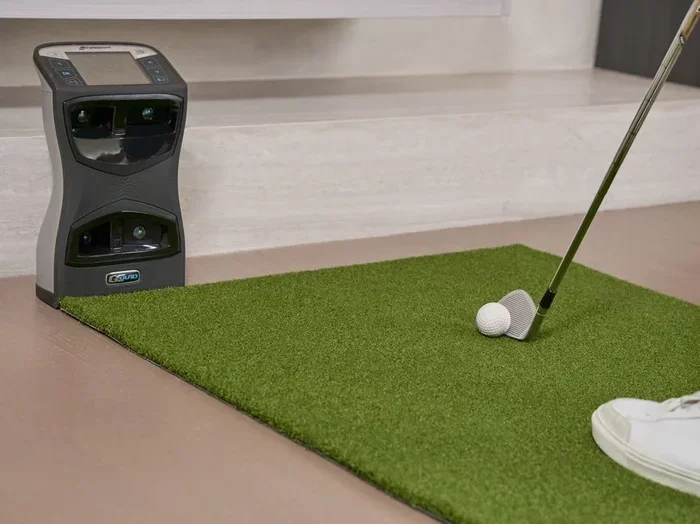
Swing speed is the foundation of your ball selection. If you do not know your swing speed, you can get it measured at a local golf shop or use a launch monitor app. Most mid handicappers swing between 85 and 100 miles per hour. At this speed, a low to medium compression ball will give you the best results.
When your swing speed matches the ball compression, you get optimal energy transfer at impact. This means more distance and a better launch angle. It is one of the simplest golf ball technology principles that can instantly improve your game.
Step 2: Identify Your Biggest Weakness
Are you losing distance off the tee? Do you struggle to hold approach shots? Is your short game inconsistent? The best mid handicap golf ball for you depends on what you need to improve most.
- Need more distance? Look for a ball with a soft core and low compression
- Need better spin control? Choose a ball with a urethane or soft cover
- Need straighter flights? Go for a ball designed to reduce sidespin
- Need a consistent feel? Pick a model that balances soft and firm sensations
Being honest about your weaknesses helps you narrow the field quickly. You do not need every feature. You need the features that solve your biggest problems on the course.
Step 3: Test Before You Commit
Never buy a full dozen of a new ball without testing it first. Buy a sleeve, take it to the range, and then play a few rounds with it. Pay attention to how the ball feels on full shots, approach shots, and short game shots. Notice how it lands and stops on the green. Does it feel right to you?
Testing over multiple rounds gives you a true picture of performance. A ball that feels great at the range might not perform the same way on a windy course. Give yourself at least three rounds with any new ball before making a final decision. This approach ensures you find a golf ball for scoring that genuinely improves your results.
Common Mistakes Mid Handicappers Make With Golf Balls
Even experienced mid handicappers make mistakes when choosing golf balls. Avoiding these pitfalls can save you money and help you perform better on the course.
Using a Ball That Is Too Hard
Some mid handicappers assume that a harder ball equals more distance. This is not always true. A ball that is too hard for your swing speed will not compress properly. It feels dead and loses distance. It also feels harsh on chips and putts, which hurts your confidence around the greens.
Always match the ball hardness to your swing speed. If you have a moderate swing, a soft or low-compression ball will serve you far better than a hard distance ball.
Ignoring Spin Characteristics
Many players pick a ball based on brand loyalty or price alone. They ignore spin characteristics entirely. But spin is one of the most important factors for approach shots and scoring. A ball with the wrong spin rate can cause your shots to balloon, fall short, or spin off the green.
Take the time to understand how different golf ball spin control options affect your game. If you have a steep angle of attack, a lower spin ball might help. If you have a sweeping swing, a higher spin ball could benefit you.
Switching Balls Too Often
It is tempting to try a new ball every time a new model comes out. But consistency matters. When you play the same ball round after round, your brain learns how it reacts. You develop a feel for distance, trajectory, and spin. Switching balls constantly disrupts that feel and can lead to inconsistent scoring.
Once you find a ball that works for you, stick with it. Buy in bulk when you find a good deal. Consistency with your golf ball performance is one of the easiest ways to lower your scores over time.
Overlooking the Short Game
Distance off the tee gets all the attention. But most strokes are lost around the greens. A ball that feels great on full swings but plays like a billiard ball on chips and putts is the wrong choice for a mid handicapper. Always evaluate how a ball performs on short shots before making your final decision.
The best mid handicap golf ball should feel good on every type of shot. Full swings, pitches, chips, and putts. If a ball only excels in one area, it is probably not the right fit for your well-rounded game.
Final Thoughts on Finding the Best Mid Handicap Golf Ball
Finding the best mid handicap golf ball is one of the simplest ways to improve your game without changing your swing. The right ball gives you more distance, better control, and greater confidence on every shot. It is a small change that can lead to big results on the scorecard.
Start by understanding your swing speed and identifying your biggest areas for improvement. Use the comparison table above to narrow your options. Test your top picks over several rounds. And once you find the right fit, commit to it and enjoy the consistency it brings.
Remember, golf is a game of details. The ball in your bag might seem like a minor choice. But for a mid handicapper looking to break 90 or shoot their lowest round ever, the right golf ball makes all the difference. Take the time to find your perfect match, and watch your golf ball accuracy and scoring improve from the very first round.
The journey to a lower handicap starts with the right equipment. And the best mid handicap golf ball is one of the smartest investments you can make in your game. So grab a sleeve, head to the course, and see the difference for yourself. Your lower scores are waiting.
Frequently Asked Questions
What is the best mid handicap golf ball for a slower swing speed?
For slower swing speeds below 90 mph, the Callaway Chrome Soft and Titleist TruFeel are excellent choices. Both balls have low compression cores that compress easily, giving you more distance and a soft feel. They also provide enough spin control to help you score well around the greens.
How often should I switch my golf ball?
Once you find a ball that works well for you, stick with it. Switching too often can disrupt your feel and consistency. Only change your ball if you notice a significant drop in performance or if your swing changes dramatically. Consistency with your golf ball for mid handicappers is key to reliable scoring.
Can a mid handicap golfer use a tour-level golf ball?
Yes, but it may not be the best fit. Tour-level balls require faster swing speeds to compress properly. If you swing below 95 mph, a tour ball might feel too firm and cost you distance. A dedicated mid handicap golf ball is designed to match your swing speed and deliver better overall performance.
Do expensive golf balls really make a difference for mid handicappers?
They can, but price alone does not guarantee better performance. Some mid-range balls deliver tour-level results at a fraction of the cost. The key is matching the ball features to your swing and game needs. Focus on compression, cover material, and spin rate rather than price tags.
Should I use the same golf ball for practice and on the course?
Yes, using the same ball in practice and on the course helps build consistency. Your brain learns how the ball reacts to different clubs and shot types. When you switch balls between practice and play, it can throw off your feel and distance judgment. Stick with one golf ball for scoring in both settings.
What is the most important factor when choosing a mid handicap golf ball?
Compression rating is the most important factor. It determines how the ball interacts with your clubface at impact. Match the compression to your swing speed for the best golf ball distance and feel. A proper compression match improves launch angle, reduces spin issues, and gives you a more consistent ball flight on every shot.
=== CONCLUSION ===
The best mid handicap golf ball is the one that matches your swing, your feel preferences, and your scoring goals. Whether you choose the Callaway Chrome Soft for its incredible softness, the TaylorMade Soft Response for spin control, or the Srixon Q Star Tour for budget-friendly performance, the key is to test and commit. Use the tips and comparisons in this guide to narrow your options and find the ball that helps you shoot your lowest scores. Your game is ready for the next level, and the right golf ball is the easiest step to get there.