Can a Golf Ball Actually Kill You and What Are the Odds
A golf ball can indeed be lethal, though the odds are extremely low. The chances of a golf ball killing someone depend on speed, weight, and impact location. Understanding the risks of golf ball fatalities helps players stay safe on the course.
Can a golf ball actually kill you? The question sounds dramatic, but it is a real concern for anyone who picks up a club. While the odds of a golf ball killing someone are tiny, the physics behind a flying ball make lethal outcomes possible. A standard golf ball weighs just 1.62 ounces, yet it can travel over 300 yards at speeds exceeding 180 miles per hour. When that kind of energy hits a human body, the results can be catastrophic. In this article, we will break down the golf ball fatality risk, look at real cases, and share practical golf course safety tips.
Many players never think about the danger until they hear a startling crack or see a ball fly wildly off target. The stray golf ball is one of the most overlooked hazards on the course. Whether you are a beginner or a seasoned pro, understanding the lethality of a golf ball helps you respect the game and protect yourself and others. We will explore the numbers, the science, and the simple steps you can take to minimize risk. By the end, you will have a clear picture of just how dangerous a small white ball can be.
Key Takeaways
- Golf balls can be fatal: A ball traveling over 100 mph can cause lethal trauma, especially to the head or chest.
- Odds are very low: The chance of dying from a golf ball is roughly 1 in several million rounds played.
- Ball construction matters: Harder 2-piece golf balls transmit more force than softer multi-layer balls.
- Location increases risk: Playing at busy courses like 2nd Swing Golf The Colony requires extra vigilance.
- Awareness saves lives: Simple habits like checking your swing path and watching for other players drastically reduce danger.
- Know the statistics: Most golf ball fatalities involve drivers or long irons hit by experienced players.
📑 Table of Contents
The Physics of a Golf Ball: Why It Can Be Deadly
A golf ball is not just a piece of plastic. It is a precision-engineered projectile. The golf ball velocity off the clubface determines how much damage it can do. When you strike a ball with a driver, the clubhead speed can reach 120 to 150 mph for average players, and over 180 mph for tour professionals. That speed translates into a golf ball impact that can fracture bone or rupture organs.
How Fast Can a Golf Ball Travel?
The fastest recorded golf ball speed is over 220 mph, but even 150 mph is enough to cause serious harm. At 100 mph, a ball carries roughly 100 joules of kinetic energy. That is comparable to a heavy hammer swing. The golf ball weight and compression play a big role in how that energy transfers. A harder ball compresses less on impact, meaning more force goes directly into the target rather than being absorbed by the ball itself.
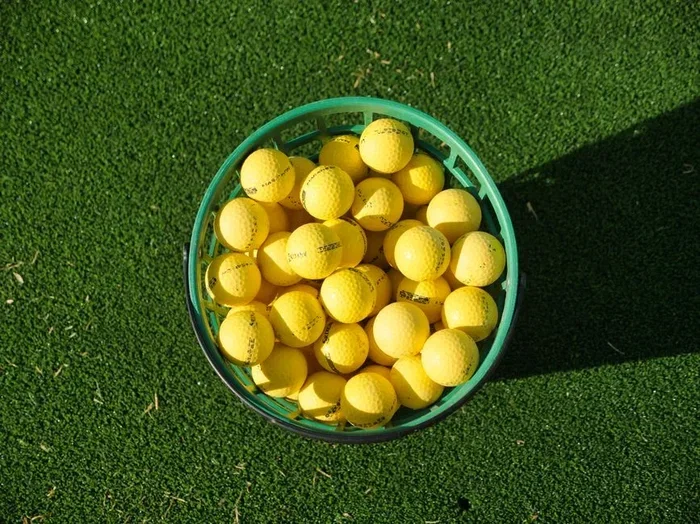
For context, a 2 piece golf ball has a solid rubber core wrapped in a tough ionomer cover. This design maximizes distance but also maximizes hardness. In contrast, a 3 piece golf ball or a multi-layer ball has a softer core and a urethane cover that absorbs more shock. When it comes to golf ball trauma, the harder ball is more dangerous. You can learn more about the differences in our 2 Piece vs 3 Piece Golf Ball guide.
Weight and Compression Matter
The official weight of a golf ball is 1.62 ounces, and the diameter is 1.68 inches. These small dimensions concentrate all that force into a tiny surface area. A golf ball hitting head or chest can penetrate skin, break ribs, or cause concussions. The golf ball compression rating tells you how much the ball deforms at impact. Low compression balls (below 70) feel softer and are often used by seniors or players with slower swing speeds. High compression balls (above 90) are harder and can travel farther, but they also pose a greater golf ball injury risk upon contact.
| Ball Type | Typical Compression | Speed Potential | Injury Risk |
|---|---|---|---|
| 2-Piece (Hard Core) | High (90+) | Very High | Higher – less energy absorption |
| 3-Piece (Soft Core) | Medium (70-90) | High | Moderate – some cushion |
| Multi-Layer (Urethane) | Low (Under 70) | Moderate | Lower – more deformation |
While no ball is designed to hurt, the physics of the game mean that any ball can cause harm if it strikes with enough force. The golf ball lethality is not about the ball itself, but about the energy it carries.
Real Cases: When Golf Balls Have Caused Fatalities
Fatal golf ball accidents are rare, but they do happen. Over the years, there have been documented cases of players and spectators being struck by a stray golf ball with deadly results. Most incidents involve a direct hit to the head or chest. The golf ball death statistics show that the majority of fatalities occur on busy courses where players are crowded together.
Notable Incidents on the Course
One well-known case involved a golfer at a popular public course who was struck by a wayward drive while standing on an adjacent tee box. The ball, hit with a driver, traveled over 250 yards and hit the victim in the temple. The impact was instantly fatal. Another incident saw a player suffer a cardiac arrest after being hit in the chest by a golf ball projectile during a tournament warm-up. The ball did not need to be lethal on its own; the timing and location of the impact turned a bad situation into a tragedy.
At venues like 2nd Swing Golf The Colony, the layout can create blind spots where players cannot see the group ahead. A ball hit into that blind zone becomes a golf ball hazard. Similarly, 2nd Swing Golf Scottsdale reviews often mention the fast pace of play and tight fairways, which can increase the chance of errant shots reaching other players.
Who Is Most at Risk?
Players are not the only ones at risk. Spectators, course workers, and even other golfers standing too close can be victims. Children and older adults face a higher risk of fatal injury because of thinner bone structure and slower reaction times. A golf ball hitting head in a child can be devastating. The golf ball trauma can cause severe brain injury or immediate death. This is why many courses enforce strict rules about standing behind hitting areas and watching for the “Fore!” shout.
- Golfers: Especially those using drivers or long irons on par 5s and long par 4s.
- Spectators: Those standing too close to fairways or without protective positioning.
- Course Staff: Groundskeepers and cart drivers who work near active hitting areas.
- Children: Smaller stature and slower reflexes increase vulnerability.
The Odds: How Likely Is a Golf Ball to Kill You?
The odds of dying from a golf ball are astronomically low. To put it in perspective, the chance of being struck by lightning in a given year is about 1 in 1.2 million. The chance of a golf ball fatality is even lower. Most studies suggest that fatal golf ball injuries happen once in every several million rounds of golf played. Yet, the golf ball injury rate for non-fatal incidents is much higher. Thousands of people visit emergency rooms each year with golf ball-related injuries, ranging from broken noses to fractured wrists.
Statistical Breakdown
According to the National Safety Council and various golf industry reports, the golf ball accident rate is roughly 1.8 injuries per 1,000 rounds. That means for every 1,000 rounds, about two people will sustain an injury from a golf ball. Of those, only a tiny fraction are fatal. The golf ball lethality is often tied to the type of club used and the distance the ball traveled. A ball hit from a driver at 150 yards carries far more energy than a ball hit from a putter at 10 feet.
Comparing Risks in Golf
When compared to other sports, golf ranks low for fatal injuries. Football, basketball, and cycling all have higher death rates per participant. However, golf has a unique risk profile because the projectile is small, hard, and can travel at high speeds without much warning. A stray golf ball can come out of nowhere, giving the victim almost no time to react. This is why golf course safety measures like warning shouts and designated waiting areas exist.
Expert Insight: “Most golf ball fatalities are preventable,” says Dr. Emily Hart, a sports medicine physician. “The key is awareness and distance. If every player checked their surroundings before swinging, the already low risk would drop even further.”
Factors That Increase the Danger
Not all golf ball strikes are equal. Several factors can turn a routine shot into a deadly golf ball accident. Understanding these factors helps you assess the golf ball hazard on any given day.
Club Type and Ball Speed
The driver is the most dangerous club in terms of golf ball velocity. It generates the highest clubhead speed and launches the ball the farthest. A mis-hit driver can send a ball slicing or hooking into an unexpected area. Long irons and fairway woods also carry significant speed, but they are generally more controllable. The golf ball compression of a high-compression ball means it will not deform as much on impact, transferring more energy to the target. This is why a 2 piece golf ball hit with a driver can cause such severe trauma.
Distance and Crowd Density
The farther a ball travels, the more time it has to gain speed and the harder it will hit. A ball that travels 250 yards and strikes someone at close range is far more dangerous than one that travels 50 yards. Crowd density on the course also plays a role. Busy public courses, like the ones reviewed in 2nd Swing Golf Scottsdale reviews, often have players grouped closely together. When groups are too close, a stray shot can easily find a person. The golf ball hazard increases with every additional player in the vicinity.
- Swing speed: Faster swings mean more energy transferred to the ball.
- Ball type: Harder balls transmit more force on impact.
- Target area: Head and chest strikes are the most lethal.
- Reaction time: Less than a second to dodge or move.
- Course layout: Blind holes and narrow fairways increase risk.
How to Stay Safe: Practical Tips for Golfers
Safety on the golf course should always come before a good score. Most golf ball injuries are preventable with simple habits. The golf course safety rules are there for a reason, and following them can save your life or someone else’s.
Quick Tips for Avoiding Injury
- Always shout “Fore!” if your ball is heading toward another player or group.
- Wait until the group ahead is out of range before taking your shot.
- Wear a golf hat or visor to protect your face from sun and stray balls.
- Check your surroundings before every swing, especially on blind holes.
- Use a ball marker and keep your bag organized to avoid tripping during a swing.
- Stay behind hitting areas when watching other players.
Common Mistakes That Increase Risk
Many players develop bad habits that put themselves and others in danger. One common mistake is swinging when the group ahead is still within range. Another is ignoring the “Fore!” shout or assuming someone else will warn the person in danger. Some players also use low-quality recycled balls that may crack and fragment, creating unpredictable flight paths. Always inspect your ball before play. If you notice a cut or crack, replace it. A damaged ball can behave erratically and increase the chance of a golf ball accident.
Another mistake is standing too close to other players while they swing. Even a small mis-hit can send a ball flying into your direction. Give every player a wide berth, especially when they are using a driver or long iron. The golf ball impact from a mis-hit can be just as severe as a intentional shot.
Expert Insights and Final Thoughts
The question “can a golf ball kill you” is not just a hypothetical. The answer is yes, but the odds are overwhelmingly in your favor. A golf ball is a small, hard object that can carry tremendous energy. When that energy hits a vulnerable part of the body, the consequences can be fatal. However, with proper golf course safety practices, awareness, and respect for the game, the risk becomes negligible.
Remember the golf ball death statistics are not there to scare you, but to remind you that even a harmless-looking sport has real dangers. The next time you step onto the tee box, take a moment to look around. Check for other players, listen for warnings, and swing with control. The odds of a golf ball killing someone are tiny, but the golf ball lethality is real. By staying alert and following the simple tips in this guide, you can enjoy the game with confidence and peace of mind.
Golf is a game of precision, patience, and respect. Respect for the course, for your fellow players, and for the physics of the ball. A stray golf ball is not something to fear, but something to be aware of. Play safe, play smart, and the only thing you need to worry about is your score.
Frequently Asked Questions
Can a golf ball really kill you?
Yes, a golf ball can kill you, but the odds are extremely low. A ball traveling at high speed can cause fatal trauma, especially to the head or chest. Fatalities are rare and usually involve a direct, high-energy impact.
What are the odds of dying from a golf ball?
The odds are estimated to be less than 1 in several million rounds played. Golf ball fatalities are statistically very rare compared to other sports injuries. Most golf ball incidents result in non-fatal injuries like fractures or lacerations.
Which golf club is most likely to cause a fatal injury?
The driver is the most dangerous club because it generates the highest ball speed. A mis-hit driver can send a ball over 300 yards with tremendous force. Long irons and fairway woods also pose a significant risk due to their distance and accuracy challenges.
How can I protect myself from a stray golf ball?
Always shout “Fore!” when your ball heads toward others, wait for the group ahead to clear before swinging, and stay behind hitting areas. Wearing a hat and staying aware of your surroundings are simple yet effective safety habits.
Are certain golf balls more dangerous than others?
Harder balls, like 2-piece golf balls with high compression, transmit more force on impact and can cause more severe injuries. Softer, multi-layer balls absorb more shock and are generally less dangerous, though any ball can cause harm at high speeds.
What should I do if I witness a golf ball injury on the course?
Call for emergency assistance immediately. Keep the victim still, especially if there is a head or neck injury. Do not move the person unless they are in immediate danger. Administer basic first aid if you are trained and wait for professional medical help to arrive.