Can Golf Carts Be Driven on the Road and Sidewalks
Yes, golf carts can be driven on certain roads and sidewalks, but the rules vary widely by state, county, and city. Whether you own a gas or electric golf cart, you must meet specific equipment, speed, and registration requirements to make your cart street legal. This guide breaks down everything you need to know about local laws, safety gear, and the steps to legally drive your golf cart on public roads and pathways.
Have you ever wondered can golf carts be driven on the road or whether it is legal to cruise down the sidewalk in your favorite electric cart? It is a question that comes up more often than you might think, especially as golf carts become a popular way to get around neighborhoods, parks, and even small towns.
The short answer is yes, but with a lot of “it depends.” The rules for driving a golf cart on public roads and sidewalks vary from state to state, county to county, and even city to city. What is perfectly legal in one place could land you a fine in another. That is why it pays to know the rules before you start rolling.
In this guide, we will walk you through everything you need to know. We will cover road laws, sidewalk rules, equipment requirements, and the steps to make your cart street legal. Whether you drive a gas golf cart or an electric model, this article has you covered.
Key Takeaways
- Road legality depends on your location: Some states and towns allow golf carts on roads with speed limits of 35 mph or lower, while others ban them entirely.
- Sidewalk rules are stricter: Most areas require golf carts to yield to pedestrians, and some places completely prohibit them on sidewalks.
- Equipment upgrades are often required: You may need headlights, taillights, mirrors, seat belts, and a horn to make a golf cart street legal.
- Registration and insurance matter: Many jurisdictions require golf carts to be registered, insured, and equipped with a VIN before they can hit the road.
- Speed limits define where you can go: Golf carts typically fall into the low speed vehicle (LSV) category, which restricts them to roads with speed limits of 35 mph or less.
- Safety should always come first: Wearing seat belts, using turn signals, and following all traffic laws keeps you and others safe on the road.
📑 Table of Contents
- Can Golf Carts Be Driven on the Road? Understanding the Basics
- Driving Golf Carts on Sidewalks: What You Need to Know
- How to Make Your Golf Cart Street Legal
- Common Mistakes People Make When Driving Golf Carts on Roads
- Golf Cart Safety Tips for Road and Sidewalk Driving
- Golf Cart Communities and Local Resources
- Final Thoughts on Driving Golf Carts on Roads and Sidewalks
Can Golf Carts Be Driven on the Road? Understanding the Basics
The question of whether a golf cart can hit the open road is not as simple as a yes or no answer. Different places treat golf carts differently, and the rules often depend on the type of cart, its speed, and where you live.
What Counts as a Golf Cart?
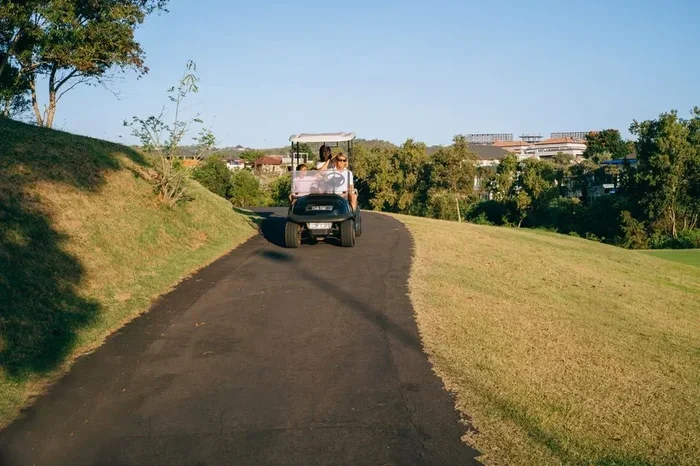
A golf cart is a small, lightweight vehicle designed to carry two to four passengers and golf clubs around a course. Most golf carts run on electric motors, though gas-powered models are still common. They typically top out at speeds between 12 and 15 mph, which puts them in a unique category on the road.
Some upgraded or modified carts can go faster, which changes how they are classified. When a golf cart is modified to go over 20 mph, it may be reclassified as a low speed vehicle, or LSV. This distinction matters a lot when it comes to road legality.
Low Speed Vehicle Rules and Regulations
In many states, a golf cart that has been modified to reach speeds between 20 and 25 mph qualifies as a low speed vehicle. LSVs are subject to different rules than standard golf carts. They often need to meet federal safety standards, including having headlights, brake lights, turn signals, reflectors, rearview mirrors, and seat belts.
If you want to know more about how golf carts fit into the bigger picture of road vehicles, you might want to check out the 2nd Swing Golf The Colony community guidelines, which often discuss local cart regulations for their members.
State-by-State Differences
Here is the thing about golf cart road laws: they are not the same everywhere. Some states are very lenient, while others are strict. Here are a few examples of how different states handle golf carts on roads:
- Florida: One of the most golf-friendly states, Florida allows golf carts on many public roads with speed limits of 30 mph or less, as long as the cart is equipped with basic safety gear.
- South Carolina: Golf carts are allowed on certain roads, and many beach towns welcome them on specific streets and paths.
- California: Golf carts can drive on roads with speed limits of 35 mph or lower, but they must meet specific equipment and registration requirements.
- Texas: Local cities decide whether golf carts can be on roads, so the rules vary a lot depending on where you are in the state.
Always check your local government website or visit your city hall to confirm the rules in your area. Laws change, and what was true last year may not be true today.
Driving Golf Carts on Sidewalks: What You Need to Know
Sidewalk rules for golf carts are even more varied than road rules. In most places, driving a golf cart on a sidewalk is restricted or outright banned. The main concern is pedestrian safety, and rightly so.
Why Sidewalk Rules Are So Strict
Sidewalks are meant for people walking, biking, and rolling on scooters or skateboards. A golf cart, even a slow one, can pose a serious danger to pedestrians, especially children, elderly folks, and people with disabilities. Because of this risk, many cities have clear rules against golf carts on sidewalks.
That said, some communities with a strong golf culture allow limited sidewalk use, especially in neighborhoods where the sidewalks are wide and the speed limits are very low. Always look for posted signs that indicate whether golf carts are permitted on a given sidewalk.
Where You Can Legally Drive on Sidewalks
In some areas, golf carts are allowed on sidewalks near golf courses or in designated golf cart communities. For example, many planned communities built around golf courses have special rules that allow carts on certain sidewalks. The 2nd Swing Golf Scottsdale Reviews page often mentions how local Scottsdale communities handle cart access on sidewalks and pathways.
Here are a few general tips for sidewalk driving where it is permitted:
- Always yield the right of way to pedestrians.
- Keep your speed very low, almost walking pace.
- Use your horn or voice to alert people before passing.
- Stay in the right portion of the sidewalk and avoid blocking the path.
- Never drive recklessly or weave between pedestrians.
How to Make Your Golf Cart Street Legal
If you want to drive your golf cart on public roads, you need to make sure it meets the requirements for street legality. The process is not as hard as it might sound, but it does take some effort and investment.
Required Equipment Upgrades
Most jurisdictions require the following equipment before a golf cart can legally hit the road:
- Headlights and taillights: These help other drivers see you, especially at dawn, dusk, or in low-light conditions.
- Turn signals: Just like a car, your cart needs signals to show where you plan to turn.
- Reflectors: Rear and side reflectors improve visibility from a distance.
- Rearview mirror: A mirror on the driver side helps you see traffic behind you.
- Seat belts: Required in many areas, especially if the cart has been upgraded to LSV status.
- Horn: A working horn lets you alert pedestrians and other drivers when needed.
- Windshield: Some areas require a windshield for added safety.
Not all of these may be required in your area, so check your local laws first. You do not want to spend money on upgrades you do not need.
Registration, Insurance, and Licensing
Once your cart is equipped with the right gear, you may need to register it with your local Department of Motor Vehicles or equivalent agency. Registration usually involves paying a small fee and getting a license plate or decal for the cart.
Insurance is another consideration. Some areas require golf carts to carry liability insurance, especially if they are driven on public roads. Even if it is not required, having insurance is a smart move. It protects you if you get into an accident.
In most cases, you do not need a full driver’s license to operate a golf cart on roads where they are permitted. However, some cities require drivers to be at least 14 to 16 years old and to carry a valid learner’s permit or driver’s license.
Where to Find Deals on Upgrades
If you need to buy safety equipment or accessories for your cart, keep an eye out for deals. Many golf retailers offer seasonal discounts, and you can sometimes find great prices by using a 2nd Swing Golf Promo Code at checkout.
Common Mistakes People Make When Driving Golf Carts on Roads
Even with the best intentions, many golf cart drivers make mistakes that can lead to fines, accidents, or worse. Here are some of the most common errors to avoid.
Ignoring Local Laws
The biggest mistake is assuming the rules are the same everywhere. Just because golf carts are allowed on roads in your neighbor’s town does not mean they are allowed in yours. Always do your homework and check the specific rules for your location.
Skipping Safety Equipment
Some drivers think they only need the basics, or worse, they skip safety gear altogether. This is a risky move. Not only could you get a ticket, but you are also putting yourself and others in danger. Always make sure your cart has all the required equipment before you drive it on a public road.
Driving Without Seat Belts
Even at low speeds, a sudden stop or a bump can throw you from a golf cart. Seat belts are not just a legal requirement in many places, they are a simple way to protect yourself. Make it a habit to buckle up every time you drive, no matter how short the trip.
Overloading the Cart
Golf carts are designed to carry a small number of passengers and a modest amount of cargo. Overloading the cart can make it unstable, reduce braking performance, and increase the risk of tipping over. Stick to the manufacturer’s recommended passenger and weight limits.
Golf Cart Safety Tips for Road and Sidewalk Driving
Safety should always come first when driving a golf cart, whether you are on a road or a sidewalk. Here are some tips to keep in mind.
Follow All Traffic Laws
Golf carts on public roads are subject to the same traffic laws as cars in most jurisdictions. That means you need to obey stop signs, traffic lights, speed limits, and right-of-way rules. Treat your golf cart like a vehicle and drive accordingly.
Wear Protective Gear
A helmet is not required in every area, but it is a great idea, especially if you are driving on roads with car traffic. Closed-toe shoes, long pants, and gloves can also help protect you in case of an accident.
Stay Visible
Golf carts are small and can be hard for drivers to see, especially at night or in bad weather. Make sure all your lights are working, and consider adding reflective tape or additional lights to your cart for extra visibility.
Avoid Bad Weather
Golf carts are not built for rain, snow, or rough terrain. Driving in poor weather conditions increases the risk of accidents and can damage your cart. If the weather looks iffy, it is best to stay off the roads and sidewalks.
Golf Cart Communities and Local Resources
One of the best ways to learn about golf cart rules in your area is to connect with local communities and resources. Many neighborhoods and golf courses have active groups where members share tips, updates on local laws, and advice on making carts street legal.
If you live near a golf community or are planning to visit one, you can find useful information about local cart rules and etiquette. The 2nd Swing Golf Minneapolis Minnesota page, for example, often includes details about how carts are managed in local communities and on nearby roads.
Joining a local golf cart club or online forum can also help you stay up to date on changing laws and get practical advice from experienced drivers. These communities are a goldmine of information, especially if you are new to driving a golf cart on public roads.
Final Thoughts on Driving Golf Carts on Roads and Sidewalks
So, can golf carts be driven on the road and sidewalks? The answer is yes, but only when you follow the rules. The laws vary by location, and what works in one place may not work in another. The key is to do your research, equip your cart with the right safety gear, and always drive responsibly.
Whether you are cruising through a golf course community, running a quick errand around the neighborhood, or just enjoying a leisurely ride, knowing the rules keeps you safe and out of trouble. Take the time to understand your local laws, invest in the right upgrades, and always put safety first.
Driving a golf cart on the road can be a fun and practical way to get around, but it comes with responsibilities. Respect pedestrians, follow traffic laws, and maintain your cart properly. Do that, and you will enjoy every ride with confidence and peace of mind.
Frequently Asked Questions
Do I need a driver’s license to drive a golf cart on the road?
In most places, you do not need a full driver’s license to operate a golf cart on public roads where they are permitted. However, some cities require drivers to be at least 14 to 16 years old and to carry a valid learner’s permit or driver’s license. Check your local regulations to be sure.
Can a gas golf cart be driven on public roads?
Yes, gas golf carts can be driven on public roads in many areas, provided they meet the same equipment and registration requirements as electric models. The fuel type does not usually determine road legality, but always confirm with your local authorities.
What is the speed limit for golf carts on roads?
Golf carts are typically allowed on roads with speed limits of 35 mph or lower. If a golf cart is modified to reach speeds above 20 mph, it may be classified as a low speed vehicle and must meet additional safety standards. Always obey posted speed limits and drive at a safe speed for conditions.
Are golf carts allowed on highways or interstate roads?
In almost all cases, golf carts are not permitted on highways or interstate roads. These are high-speed roadways, and golf carts simply cannot keep up with the flow of traffic. They are generally restricted to local streets, residential roads, and specific designated areas.
Do I need insurance for my golf cart if I drive it on the road?
Some states and municipalities require golf carts to carry liability insurance, especially if they are driven on public roads. Even if insurance is not required, it is a smart investment. It can protect you financially if you are involved in an accident or if your cart is damaged or stolen.
Can I drive my golf cart at night on public roads?
Driving a golf cart at night is allowed in many areas, but only if the cart is equipped with proper lighting, including headlights, taillights, and reflectors. Visibility is much lower at night, so extra caution is essential. If your cart does not have working lights, it is best to avoid driving after dark.