Do Golf Shoes Really Make a Difference on the Course
Do golf shoes make a difference? Absolutely. The right golf footwear improves your golf stability, golf grip, and golf swing mechanics. Whether you choose spiked golf shoes or spikeless golf shoes, proper golf shoe fit and golf shoe support can transform how you play.
Do golf shoes make a difference? The short answer is yes, and the difference is bigger than most players think. Many beginners and even intermediate golfers overlook their footwear. They focus on clubs, balls, and gloves. But your feet are the foundation of every swing you make.
The right golf shoes do more than just look good on the course. They improve your balance, grip, and comfort. They help you stay steady through the golf swing and move confidently across different terrains. If you have ever slipped during a swing or felt sore after walking 18 holes, your shoes might be the problem.
In this guide, we will break down exactly why golf footwear matters. We will compare spiked and spikeless options. We will look at what features actually make a difference. And we will help you choose the best pair for your game. Whether you walk the course or ride in a cart, this article covers it all.
Key Takeaways
- Better Traction: Golf shoes give you the grip you need on wet and uneven terrain.
- Improved Stability: Proper footwear keeps your feet planted during the swing.
- Spiked vs Spikeless: Both options work, but they suit different playing styles.
- Comfort Matters: Walking the course in the right shoes reduces fatigue.
- Waterproof Options Exist: Keep your feet dry and focused all round.
- Price Doesn’t Always Equal Performance: Mid-range shoes often deliver great value.
- Fit Is Everything: A poorly fitted shoe ruins even the most expensive pair.
📑 Table of Contents
- Why Golf Shoes Matter for Your Game
- Spiked vs Spikeless: Which Is Better?
- How Golf Shoes Improve Your Swing and Stability
- Waterproof and Breathable: What to Look For
- Choosing the Right Golf Shoe for Your Game
- Do Expensive Golf Shoes Really Make a Difference?
- Common Mistakes to Avoid When Choosing Golf Shoes
- Expert Insights on Golf Footwear
- Final Thoughts
Why Golf Shoes Matter for Your Game
Most people think golf shoes are just part of the dress code. That is not the whole story. Golf shoes serve a very specific purpose. They connect your body to the ground. That connection affects everything from your posture to your power.
The Role of Golf Shoes in Your Swing
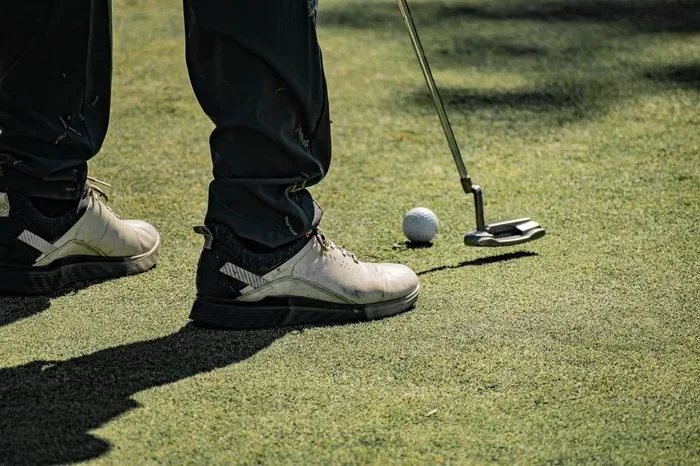
Your golf swing starts from the ground up. Your feet push against the turf to generate force. That force travels up through your legs, hips, and torso. If your shoes cannot grip the ground properly, you lose power and consistency.
Good golf stability comes from a solid base. The shoes keep your feet from sliding during the backswing and follow-through. This means more control and better shots. When your feet stay planted, your swing becomes more repeatable. That is the kind of consistency every golfer wants.
Traction and Grip on the Course
Golf courses have different surfaces. You might play on firm fairways, soft greenside turf, or hilly rough. Each surface demands a different level of golf traction. The right shoes adapt to these conditions.
Spiked shoes use small plastic or metal spikes to dig into the turf. Spikeless shoes use specialized rubber outsoles with patterns for grip. Both types provide traction, but they work differently. Understanding this helps you pick the right pair.
Comfort and Endurance During a Round
A standard round of golf takes four to five hours. If you walk the course, that is about seven to eight kilometers. Your feet take a lot of impact. Poor shoes lead to sore feet, blisters, and fatigue.
Quality golf comfort comes from proper cushioning and support. The insole absorbs shock with each step. The upper material breathes to keep your feet cool. When your feet feel good, you stay focused on your game. That is a huge advantage over 18 holes.
Spiked vs Spikeless: Which Is Better?
This is the most common debate in golf footwear. Both types have strengths. Both work well for different kinds of players. Let us look at each one closely.
Spiked Golf Shoes
Traditional spiked shoes have small protrusions on the sole. These spikes dig into the ground for maximum golf grip. They are the go-to choice for many serious players.
Here is what you need to know about spiked shoes:
- Best traction: The spikes dig deep into soft turf.
- Excellent stability: Your feet stay locked in place during the swing.
- Replaceable spikes: You can swap out worn spikes for fresh grip.
- Metal or plastic options: Metal spikes offer superior grip but can damage greens.
- Less versatile off the course: They feel stiff when walking around town.
Metal spikes were the standard for decades. They still offer the best grip for many players. However, most courses now prefer plastic spikes. Plastic spikes are gentler on the putting greens and are allowed almost everywhere.
Spikeless Golf Shoes
Spikeless shoes look more like regular athletic shoes. They use rubber outsoles with lugs or patterns for traction. They have become very popular in recent years.
Here are the key points about spikeless shoes:
- Versatile wear: You can wear them off the course easily.
- Lightweight and flexible: They feel more like sneakers.
- Good for firm courses: They work well on hard, dry turf.
- Easy to clean: No spikes to remove or replace.
- Less grip in soft conditions: They may slip on very wet or soft turf.
Spikeless shoes are great for casual players and those who walk the course a lot. They offer more all-day comfort. Many modern designs now include golf shoe support features that rival spiked options.
Comparison Table: Spiked vs Spikeless
| Feature | Spiked Shoes | Spikeless Shoes |
|---|---|---|
| Traction on soft turf | Excellent | Good |
| Traction on firm turf | Very Good | Excellent |
| Comfort for walking | Moderate | Very Good |
| Off-course wear | Poor | Excellent |
| Stability during swing | Excellent | Good to Excellent |
| Maintenance | Moderate | Low |
| Price range | Mid to High | Low to High |
How Golf Shoes Improve Your Swing and Stability
The connection between your feet and the ground is critical. Every professional golfer knows this. The right pair of golf shoes can unlock better swing mechanics and more consistent shots.
Ground Force and Power Generation
When you swing a club, you generate power from the ground up. This is called the kinetic chain. Your feet push against the earth. That energy travels upward through your body and into the clubhead.
If your shoes slip, you lose that energy. The power leaks out before it reaches the ball. Good golf traction prevents this. Your feet stay planted, and the energy transfers efficiently. This is why many players feel stronger and more powerful in a new pair of shoes.
Balance Through the Full Swing
Balance is the secret to a good golf swing. The best players in the world stay balanced from address to finish. Their golf footwear helps them do this.
A stable base allows you to rotate freely without swaying. Your weight shifts smoothly from back foot to front foot. The shoes keep your soles planted on the ground. This smooth weight transfer leads to more accurate and powerful shots.
Foot Placement and Alignment
Small adjustments in foot position can change your shot shape dramatically. When your shoes grip the ground well, you can set your feet precisely where you want them. This level of precision matters, especially on approach shots and putts.
Walking around the golf course in shoes that slide or feel unstable makes it hard to trust your setup. Confidence starts at the feet. Good shoes give you that confidence.
Quick Tips for Better Stability
- Choose shoes with a wide base for more support.
- Make sure your laces are snug but not too tight.
- Replace worn spikes or outsoles regularly.
- Practice your swing in your shoes before buying them.
Waterproof and Breathable: What to Look For
Weather plays a big role in golf. You might play in rain, morning dew, or hot afternoon sun. Your shoes need to handle all of it. Two key features matter most: waterproofing and breathability.
Why Waterproof Golf Shoes Are Worth It
Playing in wet conditions is challenging enough without wet feet. Waterproof golf shoes keep moisture out while letting your feet breathe. They use membranes like Gore-Tex or similar technology.
Wet feet cause discomfort and blisters. They also make your feet slip inside the shoe. This affects your balance and swing. Waterproof shoes keep you dry and focused. They extend the number of rounds you can play in different weather conditions.
Breathability for Warm Weather
On hot days, your feet sweat a lot. Non-breathable shoes trap moisture inside. This creates an unpleasant environment for your feet. It also leads to odor and faster wear.
Look for shoes with mesh panels or breathable linings. These allow air to circulate. Your feet stay cooler and drier. Many modern golf shoes now balance both waterproofing and breathability very well.
Materials That Make the Difference
The upper material of a golf shoe affects its performance. Here are the most common options:
- Leather: Durable, supportive, and offers a classic look.
- Synthetic: Lightweight, water-resistant, and easy to clean.
- Mesh: Very breathable, ideal for warm climates.
- Mixed materials: Combine the best features of leather and synthetic.
Your choice depends on your playing conditions and personal preference. If you play year-round in wet climates, go for waterproof leather or synthetic. If you play mostly in dry, warm weather, a mesh or lightweight synthetic works well.
Choosing the Right Golf Shoe for Your Game
Not all players need the same shoe. Your playing style, course conditions, and foot shape all matter. Here is how to find the right pair.
Consider Your Playing Style
Do you walk the course or ride in a cart? Do you play aggressively or focus on finesse? These questions help narrow your options.
Walkers need lightweight, cushioned shoes. Riders might prefer something more stylish and less focused on weight. Players with a powerful swing benefit from maximum golf shoe support and stability features.
Get the Right Size and Fit
Golf shoe fit is one of the most overlooked factors. Shoes that are too tight cause pain and numbness. Shoes that are too loose let your feet slide around.
Here are some fitting tips:
- Try shoes on in the afternoon when your feet are slightly larger.
- Wear the socks you typically play in.
- Stand on a slope or incline to test stability.
- Walk around the store for at least five minutes.
- Leave a small amount of room in the toe box.
A proper fit makes a huge difference. Even the most expensive shoe will perform poorly if it does not fit well.
Budget vs Premium: Where Should You Spend?
Golf shoes range from around $60 to over $250. You do not need to spend a fortune to get good performance. Mid-range shoes in the $100 to $150 range often offer the best value.
At this price point, you get solid materials, good traction, and decent comfort. Premium shoes offer advanced features like custom insoles, premium leather, and superior waterproofing. But the performance gap between mid-range and top-tier is smaller than most people think.
Do Expensive Golf Shoes Really Make a Difference?
This is a fair question. If a $200 shoe feels similar to a $100 shoe, why spend more? The answer lies in the details.
Expensive shoes often use higher-quality materials. They last longer and maintain their shape over time. The golf shoe support and cushioning tend to be more advanced. Premium models also offer better waterproofing technology.
That said, the difference in actual performance on the course is often subtle. A well-fitting mid-range shoe can perform almost as well as a premium one. What matters most is how the shoe feels on your feet and how it supports your swing.
Do not let price be the only deciding factor. Try on multiple pairs. Walk around in them. Swing in them if possible. The best shoe is the one that fits your feet and your game perfectly.
Common Mistakes to Avoid When Choosing Golf Shoes
Many golfers make avoidable mistakes when buying shoes. Here are the most common ones:
- Buying without trying them on: Online shopping is convenient, but fit varies by brand.
- Ignoring the type of spikes: Check if your course allows metal spikes before buying.
- Choosing style over function: A shoe that looks great but feels bad will hurt your game.
- Forgetting about arch support: Everyone’s foot is different. Arch support matters a lot.
- Wearing old shoes too long: Worn spikes or outsoles lose their grip over time.
- Not considering the weather: If you play in rain often, prioritize waterproof options.
Avoiding these mistakes saves you money and frustration. Take your time when shopping. Your feet will thank you on the course.
Expert Insights on Golf Footwear
Professional club fitters and teaching pros agree on one thing: golf shoes are one of the most important pieces of golf apparel. They affect your game more than most players realize.
Many pros recommend replacing golf shoes every one to two years. The materials break down over time. Spikes wear out. The cushioning loses its responsiveness. A fresh pair can genuinely improve your performance.
Fitters also emphasize the importance of matching your shoe to your foot type. People with flat feet need different support than those with high arches. Understanding your foot shape helps you choose the right model.
Final Thoughts
So, do golf shoes make a difference? Without a doubt. They affect your traction, stability, comfort, and confidence on the course. The right pair of golf shoes helps you swing better, walk farther, and enjoy the game more.
You do not need to spend a fortune. Focus on fit, traction, and comfort. Choose between spiked and spikeless based on your playing style and course conditions. Take care of your shoes, and they will take care of your game.
The next time you gear up for a round, pay attention to your feet. They are the foundation of every shot you hit. Give them the support they deserve, and you will feel the difference from the first tee to the last putt.
Frequently Asked Questions
Can I wear regular sneakers to play golf?
You can wear regular sneakers on some casual courses. However, they lack the golf traction and golf stability that proper golf footwear provides. Regular sneakers do not grip the turf well, which can affect your swing and balance. For best results, invest in a good pair of golf shoes designed for the course.
How often should I replace my golf shoes?
Most experts recommend replacing your shoes every one to two years. The spikes or outsoles wear down over time, reducing your golf grip and golf shoe support. If you notice worn spikes, reduced cushioning, or visible damage, it is time for a new pair. Fresh shoes make a noticeable difference in comfort and performance.
Are metal spikes still allowed on golf courses?
Many courses have moved away from metal spikes to protect the greens. Plastic spikes are now the standard at most courses. Before you buy spiked shoes, check the specific rules of the courses you play most often. Some courses still allow metal spikes, but they are becoming less common.
Do spikeless golf shoes work as well as spiked shoes?
Spikeless shoes work well on firm, dry turf and offer great comfort for walking. They are more versatile for off-course wear. However, on soft or wet turf, spiked shoes usually provide better golf traction. The best choice depends on your playing conditions and personal preference. Many players now own both types for different situations.
What is the most important feature in a golf shoe?
Fit is the most important feature. A perfectly fitting shoe with average traction will outperform a poorly fitting shoe with premium features. Your feet should feel secure without being cramped. Look for good golf shoe support, adequate cushioning, and reliable grip. When the fit is right, everything else falls into place.
Can golf shoes improve my handicap?
Good shoes cannot fix a poor swing, but they can remove barriers to better performance. Improved golf stability, better golf grip, and enhanced comfort all contribute to more consistent play. When your feet feel great and stay planted, you can focus fully on your technique. Over time, this confidence and consistency can help lower your handicap.