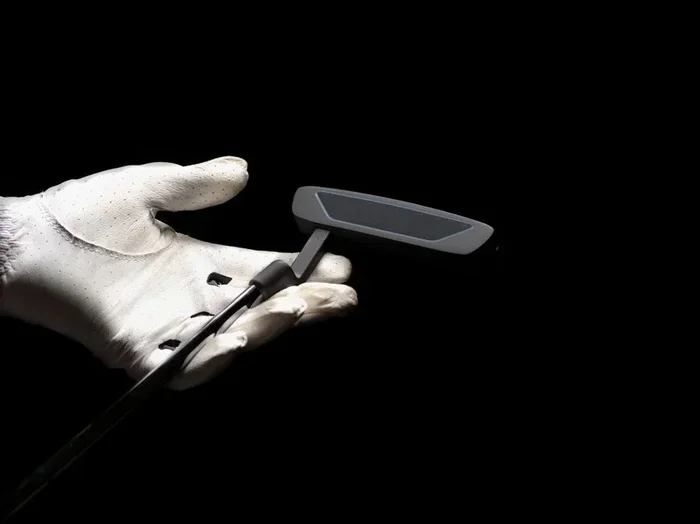
Golf Gloves for Right Handed Golfers Complete Guide
Choosing the right golf gloves for right handed golfers can transform your grip, comfort, and overall performance on the course. This guide covers everything from materials and sizing to top brands and maintenance tips. Whether you are a beginner or a seasoned player, you will find actionable advice to help you pick the perfect glove.
Every right handed golfer knows that the left hand does the heavy lifting when it comes to gripping the club. That is exactly why your golf gloves for right handed golfers deserve serious attention. A great glove gives you confidence, comfort, and control every time you swing. A poor one? It can ruin an otherwise solid round.
Whether you are just starting out or you have been playing for years, picking the right glove is more important than most people realize. This guide breaks down everything you need to know. We will cover materials, sizing, top brands, and simple care tips. By the end, you will know exactly which glove fits your game best.
Key Takeaways
- Right hand golfers wear their glove on the left hand: This is the standard setup for a right handed golfer and affects every aspect of glove selection.
- Leather and synthetic materials each have unique benefits: Leather offers superior feel while synthetic gloves excel in durability and weather resistance.
- Proper sizing is critical for performance: A glove that is too tight or too loose will hurt your grip and comfort on the course.
- Top brands like Titleist, Callaway, and FootJoy lead the market: Each offers distinct features tailored to different playing styles and budgets.
- Regular care extends glove life significantly: Simple cleaning and storage habits can double the lifespan of your golf glove.
📑 Table of Contents
- Why Your Glove Choice Matters for Right Handed Golfers
- Understanding Glove Materials: Leather vs Synthetic
- How to Find the Perfect Glove Size
- Top Golf Glove Brands for Right Handed Golfers
- Quick Tips for Glove Care and Maintenance
- Common Mistakes Right Handed Golfers Make with Gloves
- How Weather Affects Your Glove Choice
- Final Thoughts on Choosing the Right Glove
Why Your Glove Choice Matters for Right Handed Golfers
Think of your golf glove as the bridge between your hand and the club. For right handed golfers, that bridge is the left hand. The glove wraps around your non-dominant hand and creates the connection point where all your swing power flows through. When that connection is off, everything else feels off too.
A well-fitted glove improves your grip pressure without making your hand fatigue. It helps you maintain a consistent hold through every shot. And it protects your skin from blisters and calluses during long rounds. Here is why getting this choice right matters so much.
Better Grip and Control
Your left hand controls the clubface angle at impact. A good golf glove for right handed players adds texture and friction to your palm. This means fewer slipping mishits and more precise shot direction. You feel the club more, and you react more naturally.
Comfort Across All Conditions
Golf is played in all kinds of weather. Rain, heat, cold, and humidity all affect how your glove performs. The right material and construction keep your hand comfortable no matter what the forecast says. Comfort leads to focus, and focus leads to better scores.
Injury Prevention
Blisters and hand fatigue are real problems for golfers who wear the wrong glove. A glove that fits poorly can cause your hand to grip harder than necessary. Over time, this leads to muscle strain and even joint pain. The right glove reduces that risk significantly.
Understanding Glove Materials: Leather vs Synthetic
The material of your glove is one of the biggest decisions you will make. Different materials offer different feel, durability, and performance. Right handed golfers should consider their playing style and typical weather conditions when choosing between the two main options.
Leather Golf Gloves
Leather gloves are the gold standard for many golfers. They offer a soft, natural feel that lets you sense the club through the grip. The most common leather used in golf gloves for right handed golfers is cabretta leather, which comes from sheepskin.
Leather gloves feel premium from the first wear. They mold to your hand shape over time, creating a custom-like fit. However, they do require more care. They can dry out in hot weather and wear down faster with frequent use.
Best for: Players who prioritize feel and sensitivity. Great for dry conditions and regular play.
Synthetic Golf Gloves
Synthetic gloves are made from materials like microfiber and synthetic leather. They are more durable than leather and resist moisture very well. If you play golf often or in varying weather, a synthetic option might be your best bet.
Modern synthetic gloves have come a long way. They now offer grip textures that rival leather in many cases. They also tend to be more affordable, which makes them popular among beginners and casual players.
Best for: All-weather play and high-frequency use. Great value for money.
Hybrid Gloves
Some brands now offer hybrid designs that combine leather and synthetic materials. These gloves give you the feel of leather in key contact areas while using synthetic panels for durability and breathability. It is a great middle ground for golfers who want the best of both worlds.
| Feature | Leather | Synthetic | Hybrid |
|---|---|---|---|
| Feel and Sensitivity | Excellent | Good | Very Good |
| Durability | Moderate | Excellent | Very Good |
| Weather Resistance | Poor to Moderate | Excellent | Good |
| Price Range | Mid to High | Low to Mid | Mid |
| Break-In Time | Moderate | Minimal | Short |
| Breathability | Moderate | Good | Very Good |
How to Find the Perfect Glove Size
Sizing is one of the most overlooked aspects of choosing golf gloves for right handed golfers. A glove that does not fit properly will hurt your game more than help it. Getting the size right is simple if you follow a few basic steps.
Measuring Your Hand
Start by measuring the circumference of your left hand. Wrap a tape measure around your palm just below the knuckles, excluding your thumb. Compare that measurement to the sizing chart provided by the glove manufacturer. Most brands use small, medium, large, and extra-large sizing.
Here are some quick tips for accurate measurement:
- Measure your hand when it is relaxed, not clenched.
- Do the measurement in the afternoon when hands are slightly larger.
- Try on gloves with the hand you will be wearing them on.
- Wear your golf glove over a thin glove liner in cold weather to check for proper fit.
Signs Your Glove Does Not Fit
Watch for these warning signs that your glove size is off:
- Fingers bunch up at the end of the glove.
- The palm material pulls tight when you grip the club.
- The glove slips off easily when you shake your hand.
- You feel pressure points or discomfort after a few holes.
A properly fitted glove should feel snug but not tight. It should allow full finger extension without pulling at the seams. Your wrist should feel secure, and the glove should not rotate around your hand during a swing.
Top Golf Glove Brands for Right Handed Golfers
The market is full of options, which can make choosing overwhelming. Here are the top brands that right handed golfers trust most. Each brand brings something unique to the table.
Titleist
Titleist is one of the most respected names in golf equipment. Their golf gloves for right handed golfers are known for excellent craftsmanship and consistent quality. The Titleist Tour Soft glove is a favorite among professionals and amateurs alike. It offers a thin, responsive feel that many players love.
Titleist gloves tend to run slightly snug, which many golfers prefer for a secure feel. They use high-quality leather that breaks in nicely over time. Just be aware that they may feel stiff out of the box.
Callaway
Callaway offers a wide range of gloves at different price points. Their Strata series is a great entry-level option that delivers solid performance without breaking the bank. For players who want more premium features, Callaway’s Premier and Chrome Soft series are excellent choices.
What sets Callaway apart is their focus on all-weather performance. Many of their gloves feature moisture-wicking technology that keeps hands dry and comfortable. This makes them a strong pick for golfers who play in humid or rainy conditions.
FootJoy
FootJoy has been a go-to brand for decades. Their Pure Touch and Dryjoys series are among the most popular options on the market. FootJoy gloves are known for being comfortable right out of the box. They require very little break-in time.
The Dryjoys line is especially popular for wet conditions. These gloves feature a waterproof membrane that keeps moisture out while still allowing breathability. For right handed golfers who deal with rain or morning dew, Dryjoys are a top contender.
Other Notable Brands
Do not overlook brands like Mizuno, Under Armour, and Nike Golf. Mizuno gloves are prized for their Japanese craftsmanship and soft leather. Under Armour offers innovative synthetic designs with excellent grip technology. Nike Golf gloves combine style with solid performance at competitive prices.
Quick Tips for Glove Care and Maintenance
Your golf glove is an investment. Taking care of it will extend its life and keep it performing at its best. Here are some simple habits that make a big difference.
Clean Your Glove Regularly
After each round, wipe down your glove with a damp cloth. This removes dirt, sweat, and oils that can break down the material over time. For leather gloves, use a leather cleaner once a month to keep the material supple.
Store Properly
Never leave your glove in a hot car or in direct sunlight. Heat dries out leather and warps synthetic materials. Store your glove in a cool, dry place. Some golfers keep their glove in their golf bag pocket with the fingers folded inward to maintain its shape.
Rotate Your Gloves
Experienced golfers often own two or three gloves and rotate them. This gives each glove time to dry out fully between uses. It also spreads out wear and tear, so no single glove wears out too quickly.
Break-In Your New Glove
New leather gloves can feel stiff at first. To speed up the break-in process, wear them around the house for a few hours before your next round. You can also apply a small amount of leather conditioner to soften the material gently.
Common Mistakes Right Handed Golfers Make with Gloves
Even experienced players make mistakes when it comes to their gloves. Avoiding these common errors can save you money and improve your game.
Buying the Wrong Size
This is the number one mistake. Many golfers grab whatever glove is on sale without checking the size. A glove that is too big will bunch up and create discomfort. A glove that is too small will restrict blood flow and cause your hand to cramp. Always check the size before you buy.
Ignoring Weather Conditions
Using a heavy leather glove on a hot, humid day is a recipe for sweaty, slippery hands. Likewise, wearing a thin synthetic glove in cold weather can leave your hand stiff and uncomfortable. Match your glove to the conditions you will be playing in.
Wearing the Glove on the Wrong Hand
This might sound obvious, but some right handed golfers occasionally wear their glove on the right hand. Remember, right handed golfers wear their glove on the left hand. This is the hand that stays on top of the grip and takes the most friction during the swing.
Skipping Glove Replacement
Worn-out gloves lose their grip and become uncomfortable. If you notice holes, thinning material, or a loss of tackiness, it is time for a new glove. Most golf gloves last between 10 and 15 rounds with proper care. Do not wait until your glove falls apart mid-round.
Expert Insight: “The best glove is the one you forget you are wearing,” says PGA teaching professional Mark Wilson. “When your glove fits perfectly, it disappears into your hand. You stop thinking about it and start focusing on your swing.”
How Weather Affects Your Glove Choice
Weather plays a huge role in how your golf gloves for right handed golfers perform. Understanding this relationship helps you make smarter choices throughout the year.
In hot and humid conditions, look for gloves with breathable mesh panels and moisture-wicking linings. These features keep air flowing and sweat away from your skin. A glove that stays dry feels better and grips better.
In cold weather, consider gloves with extra insulation or thermal lining. Cold temperatures make leather stiff and less responsive. A thermal glove keeps your hand warm and flexible, which translates to a smoother, more controlled swing.
For wet conditions, waterproof or water-resistant gloves are essential. Brands like FootJoy and Callaway offer gloves specifically designed to repel moisture. These gloves use special coatings or membranes that keep water from soaking through to your skin.
Some golfers also carry multiple gloves to the course. They switch based on the weather forecast and how the conditions change throughout the round. This is a smart strategy that keeps your hands comfortable in any situation.
Final Thoughts on Choosing the Right Glove
Selecting the perfect golf gloves for right handed golfers comes down to understanding your needs. Consider your playing frequency, typical weather conditions, budget, and personal feel preferences. There is no single glove that is perfect for everyone. The best glove is the one that fits your hand, suits your style, and makes you feel confident on the course.
Take your time when shopping. Try on different brands and sizes. Feel the difference between leather and synthetic. Pay attention to how the glove wraps around your palm and fingers. The right glove will feel like a natural extension of your hand.
Remember, your glove is the only piece of equipment that touches your skin during every single swing. It deserves the same attention and care that you give your clubs, your shoes, and your balls. Make the right choice, take care of it, and it will reward you with better grip, better comfort, and better rounds.
Now that you have all the information you need, go out and find your perfect match. Your left hand will thank you on the first swing.
Frequently Asked Questions
Which hand should a right handed golfer wear their glove on?
Right handed golfers wear their glove on the left hand. This is the standard setup because the left hand sits on top of the grip and takes the most friction during the swing. The glove protects that hand and improves grip control.
How often should I replace my golf glove?
Most golf gloves last between 10 and 15 rounds with regular use. If you play frequently, you may need to replace your glove every few months. Signs that it is time for a new glove include holes, thinning material, and a loss of grip tackiness.
Are expensive golf gloves worth it for right handed golfers?
Expensive gloves often use premium materials and offer superior feel and durability. However, there are many affordable options that perform just as well for casual players. The best glove is the one that fits well and feels comfortable, regardless of price.
Can I use one glove for both practice and tournament play?
Yes, many golfers use the same glove for practice and tournaments. Some prefer to have a dedicated tournament glove that is newer and feels crisper. Rotating between two gloves can also extend the life of each one.
What is the best way to break in a new golf glove?
Wear the new glove around the house for a few hours before your first round. You can also apply a small amount of leather conditioner to soften stiff leather. Playing a few practice swings with the glove on helps it mold to your hand faster.
Should I wear a glove in hot weather?
Yes, wearing a glove in hot weather can still be beneficial. It protects your hand from blisters and gives you a more consistent grip. Choose a lightweight, breathable glove with moisture-wicking properties to keep your hand cool and dry.
=== CONCLUSION ===
Finding the right golf gloves for right handed golfers is a simple but powerful way to improve your game. From material selection and proper sizing to brand choice and ongoing care, every detail matters. Take the time to evaluate your needs, try different options, and invest in a glove that makes you feel great every time you step up to the ball. A good glove is a small investment that pays off round after round.