Best Grips for Golf Clubs That Will Transform Your Swing
Choosing the right best grips for golf clubs can completely change how your swing feels and performs. The correct grip improves control, reduces hand fatigue, and adds consistency to every shot. This guide covers grip types, sizes, top products, and easy replacement steps. Whether you are a beginner or seasoned player, finding the perfect fit matters more than most golfers realize.
Every golfer knows the feeling of grabbing a club and immediately sensing something is off. Maybe your hands slip during the backswing. Maybe the club feels too thick or too thin in your fingers. The truth is, the best grips for golf clubs can fix all of those problems and more. Your grip is the only connection between your body and the clubhead. If that connection is weak or uncomfortable, your entire swing suffers.
Most players spend hundreds of dollars on new drivers, irons, and putters. Yet they ignore the one part of the club they touch on every single shot. Upgrading your golf club grips is one of the most affordable ways to improve your game. A fresh, properly fitted grip boosts confidence, reduces tension, and helps you strike the ball more consistently. In this guide, we will walk through everything you need to know about choosing, fitting, and replacing your grips.
Key Takeaways
- Grip size matters: Using the correct size improves swing path and reduces tension in your hands.
- Material choice affects performance: Rubber, corded, and hybrid grips each offer unique benefits for different playing styles.
- Replacement is simple: You can replace your grips at home with basic tools and about 15 minutes per club.
- Tackiness and texture vary: Some grips feel wet or dry, and choosing the right one depends on your sweat level and climate.
- Top brands stand out: Brands like Golf Pride, Winn, and Henley consistently deliver high-quality results.
- Overgrips add comfort: Using an overgrip extends the life of your base grip and fine-tunes the feel.
📑 Table of Contents
Why the Right Golf Grip Matters
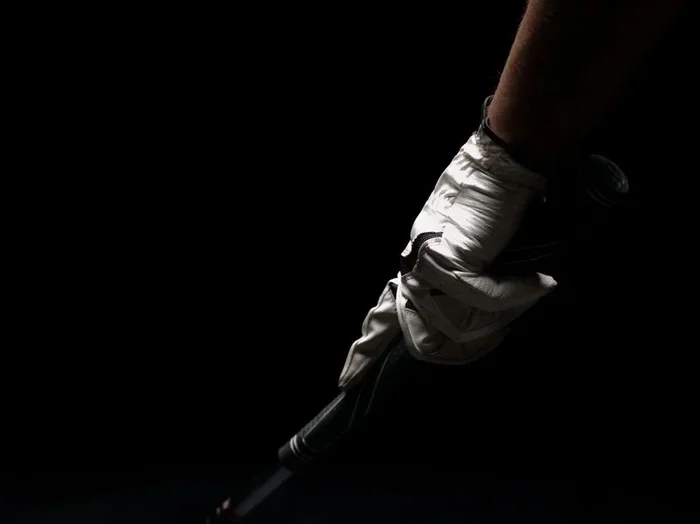
Your grip is the foundation of your entire swing. It controls the clubface angle through impact, which directly determines where the ball goes. Many golfers struggle with slices, hooks, or inconsistent contact without realizing the problem starts in their hands. The best grips for golf clubs create a stable, comfortable connection that allows your natural swing to flow freely.
When your grip feels right, you grip the club with the correct pressure. This means less tension in your forearms and wrists. Less tension leads to a smoother takeaway and a more释放 (release) through the ball. Over time, this adds distance and accuracy to your shots. The difference a proper grip makes is something every player can feel immediately.
How Grip Affects Your Swing
The golf grip size you use influences how the club moves in your hands during the swing. A grip that is too thin forces your fingers to squeeze harder, creating excess tension. A grip that is too thick limits wrist action and reduces clubhead speed. Finding the sweet spot allows your hands to work naturally without fighting the club.
Grip texture also plays a role. A tacky golf grip provides traction even when your hands are wet or sweaty. This matters during hot rounds or early morning tee times when dew is still on the grass. The right texture keeps the club secure without requiring a death grip.
Common Grip Mistakes to Avoid
Many golfers make avoidable mistakes when it comes to their grips. Here are the most common ones:
- Using the wrong size: Standard grips do not fit every hand. Players with larger hands often need midsize or oversize grips.
- Ignoring wear and tear: Worn-out grips become smooth and slippery. This forces you to grip tighter, which creates tension.
- Choosing material based on looks alone: A grip might look great but feel terrible after a few rounds.
- Skipping overgrips: Overgrips add cushioning and absorb moisture. Skipping them shortens the life of your base grip.
- Gripping too tightly: A death grip kills wrist hinge and robs you of distance.
Types of Golf Club Grips
Not all golf club grips are the same. Different materials and designs serve different purposes. Understanding the options helps you choose the right one for your game, climate, and preferences.
Rubber Golf Grips
Rubber grips are the most popular option on the market. They offer a soft, comfortable feel and come in a wide range of textures. Most standard factory grips on new clubs are rubber. They provide good vibration dampening, which reduces the sting from off-center hits. Rubber golf grips work well for most players and in most conditions.
The main downside of rubber is that it can get slick when wet. If you play in humid climates or have sweaty hands, you may want to look at other options. However, many rubber grips now include moisture channels or treated surfaces to address this issue.
Corded Golf Grips
Corded golf grips feature a woven fabric layer under or over the rubber surface. The cords create texture that channels moisture away from your hands. This makes them ideal for wet conditions or players who grip the club tightly due to anxiety or hand fatigue.
Corded grips feel slightly firmer than smooth rubber. Some players love the added feedback, while others find them too rough. If you play frequently in rain or humid environments, corded grips are worth serious consideration. They also tend to last longer because the cord layer resists surface wear.
Hybrid and Multi-Compound Grips
Hybrid grips combine different materials in one design. For example, a grip might use a rubber base with a corded upper section. This gives you the comfort of rubber where your hands rest and the traction of cord where your fingers wrap around. Hybrid golf grips are becoming increasingly popular among players who want the best of both worlds.
Multi-compound grips use different rubber compounds in different zones of the grip. Softer compounds sit where your palms rest, while firmer compounds sit where your fingers hold on. This thoughtful design improves both comfort and control.
How to Choose the Right Grip Size
Grip size is one of the most overlooked fitting factors in golf. The golf grip size you use affects your wrist action, clubface control, and overall comfort. Choosing the correct size is simple once you know what to look for.
Undersize, Standard, Midsize, and Oversize
Grips come in four main sizes:
- Undersize: Best for players with small hands or those who prefer maximum wrist action.
- Standard: Fits most average-sized hands and works well for the majority of golfers.
- Midsize: Ideal for players with larger hands or those who prefer a slightly thicker feel.
- Oversize: Best for players with very large hands or those who need to reduce grip pressure due to arthritis or hand fatigue.
The right size allows your fingers to lightly touch or just barely miss the thenar eminence (the fleshy part of your palm below your thumb). If your fingers dig into your palm, the grip is too thin. If your fingers cannot reach around comfortably, it is too thick.
Measuring Your Grip Size at Home
You do not need a professional fitting to determine your grip size. Here is a simple method:
- Hold your golf club in your normal gripping position.
- Look at where your middle and ring fingers meet your palm.
- If they touch the top of your palm, you likely need a standard or slightly larger grip.
- If they fall well below the palm pad, you may benefit from a smaller size.
Another quick test involves wrapping your glove hand around the grip. If your fingers overlap your palm significantly, go up a size. If they barely reach around, go down.
Top Picks for Best Grips for Golf Clubs
After testing and reviewing dozens of options, here are some of the best grips for golf clubs available right now. These picks cover a range of preferences, budgets, and playing styles.
| Grip | Type | Best For | Price Range |
|---|---|---|---|
| Golf Pride Tour Wrap | Rubber | All-around comfort and feel | $$ |
| Winn Dri-Tac | Rubber with moisture control | Sweaty hands and warm climates | $$ |
| Henley Multi Compound | Hybrid | Players wanting premium feel | $$$ |
| Golf Pride MCC | Corded hybrid | Wet conditions and high grip pressure | $$ |
| Winn XL | Oversized rubber | Large hands and comfort seekers | $ |
| Beaumont One | Butt-only system | Custom fitting and reduced twist | $$$ |
The Golf Pride Tour Wrap remains a favorite among amateur and professional players alike. It offers a soft, cushioned feel with excellent traction. The Winn Dri-Tac is a fantastic budget-friendly option that performs well in humid conditions. For players willing to invest in premium quality, the Henley Multi Compound grip delivers outstanding feedback and durability.
If you often play in the rain, the Golf Pride MCC corded grip is a game-changer. It keeps your hands secure even when everything is wet. The Winn XL is a great choice for players who need a thicker grip to reduce tension. And the Beaumont One system is perfect for custom builders who want to fine-tune every detail of their clubs.
How to Replace Your Golf Grips
Replacing your grips is easier than most golfers think. You do not need to visit a pro shop every time. With the right tools and a little patience, you can do it at home in about 15 minutes per club.
Tools You Need
- Grip solvent (mineral oil or brand-specific grip solvent)
- Razor blade or grip removal tool
- Grip tape (double-sided, usually 1 inch wide)
- A vice or club holder
- A towel or rag for cleanup
- New grips of your chosen size and type
Step-by-Step Replacement Guide
- Slide the old grip off the club shaft. Use the razor blade carefully to cut it open if needed.
- Remove any old grip tape from the shaft. Clean the shaft with solvent and let it dry.
- Apply new grip tape to the shaft. Wrap it evenly, leaving a little extra at the butt end.
- Pour a thin stream of solvent inside the new grip and onto the tape on the shaft.
- Slide the new grip onto the shaft, aligning it with your preferred hand position.
- Adjust the alignment while the solvent is still wet. Let it cure for a few hours before playing.
Using grip tape properly ensures the new grip stays locked in place. Double-check your alignment before the solvent sets. A misaligned grip can affect your swing path and ball flight without you even realizing it.
Expert Tips for Maintaining Your Golf Grips
Once you have the best grips for golf clubs installed, keeping them in great shape is important. Proper maintenance extends their life and keeps them performing round after round.
Clean your grips after every round with warm soapy water and a soft brush. This removes dirt, oils, and debris that build up on the surface. Dry them thoroughly before storing your clubs. For corded golf grips, pay extra attention to the spaces between the cords where grime can collect.
Store your clubs in a cool, dry place. Extreme heat can cause rubber grips to soften and lose their shape. Cold temperatures can make them hard and less tacky. A golf grip bag or climate-controlled storage space helps preserve their feel and texture.
Consider applying an overgrip periodically. Overgrips are thin, disposable layers that add cushioning and absorb sweat. They are inexpensive and easy to replace. Many players put a fresh overgrip on every few rounds, which keeps the base grip underneath looking and feeling like new.
Finally, inspect your grips regularly for signs of wear. If you notice shiny spots, smooth patches, or loss of texture, it is time for a replacement. Fresh grips feel like a new lease on your entire game. The confidence that comes from knowing your hands will not slip during a critical putt is invaluable.
Final Thoughts
The best grips for golf clubs are the ones that fit your hands, match your playing conditions, and feel comfortable every time you address the ball. Do not underestimate how much this small detail impacts your performance. From the type of material to the size and texture, every choice matters.
Take the time to evaluate your current grips. If they feel worn, slippery, or uncomfortable, it is time for an upgrade. Whether you choose a classic rubber grip, a corded option for wet weather, or a premium hybrid design, the right grip will transform your swing and your confidence on the course. Your hands work hard for you on every shot. Give them the support they deserve.
Frequently Asked Questions
How often should I replace my golf grips?
Most golfers should replace their grips every 40 to 80 rounds, depending on how often they play and how much they sweat. Visible wear, loss of tackiness, or a slick surface are clear signs it is time for a change.
What is the difference between an overgrip and a base grip?
The base grip is the original grip installed on the club. An overgrip is a thin, removable layer added on top of the base grip. Overgrips add cushioning, absorb moisture, and extend the life of the base grip underneath.
Can I replace golf grips myself at home?
Yes, replacing grips at home is straightforward and requires only a few tools. Grip solvent, double-sided tape, a razor blade, and your new grips are all you need. Most players can complete the process in about 15 minutes per club.
Do grip size and swing issues like slices or hooks relate?
Yes, using the wrong grip size can contribute to swing problems. A grip that is too thin may cause you to grip too tightly, leading to tension and inconsistent clubface control. A grip that is too thick can limit wrist release and promote hooks.
Are corded grips better than rubber grips?
Corded grips are not necessarily better, but they excel in specific conditions. They provide superior traction in wet or humid environments and help players who tend to grip the club too tightly. Rubber grips offer a softer feel and work well for most everyday playing conditions.
What grip texture is best for golfers with sweaty hands?
Golfers with sweaty hands should look for grips with moisture-wicking properties. Corded grips, textured rubber surfaces, and grips with built-in channels all help manage sweat. The Winn Dri-Tac and Golf Pride MCC are popular choices for players who struggle with wet hands.